A decade ago, the company that built your car's infotainment system was probably a name you'd never heard of—a tier-one supplier quietly licensing code to a dozen brands at once. That arrangement is unraveling. Automakers that once treated software as somebody else's problem are now acquiring coding talent, building in-house platforms, and restructuring entire divisions around the idea that the car itself is a piece of software wrapped in sheet metal. The shift isn't cosmetic. It changes who controls the features in your car, how those features reach you, and whether you keep paying for things you thought you already owned.
The Car Became a Computer, and Detroit Noticed Late
For most of automotive history, software was a supporting actor bolted onto a mechanical star. Engine control units ran code, sure, but the car's identity lived in its chassis, engine, and styling. That equation flipped once touchscreens, driver-assistance suites, and connected services became the features buyers actually cross-shop. A modern vehicle can carry more lines of code than a commercial aircraft, spread across dozens of electronic control units that historically didn't talk to each other well because they came from different suppliers with different priorities.
Legacy automakers built their entire manufacturing DNA around hardware: stamping presses, engine plants, supplier contracts negotiated years in advance. Software doesn't work on that cadence. It needs to ship, get feedback, and ship again, often within weeks. When a car's onboard software is fragmented across supplier-built modules, the automaker can't push a meaningful update without renegotiating with five different vendors first. That's the operational bottleneck driving the acquisition spree—automakers aren't buying software companies because it's trendy, they're buying them because the old supplier model makes rapid iteration nearly impossible.
Tesla and Chinese EV Makers Set a Pace Legacy Brands Couldn't Match
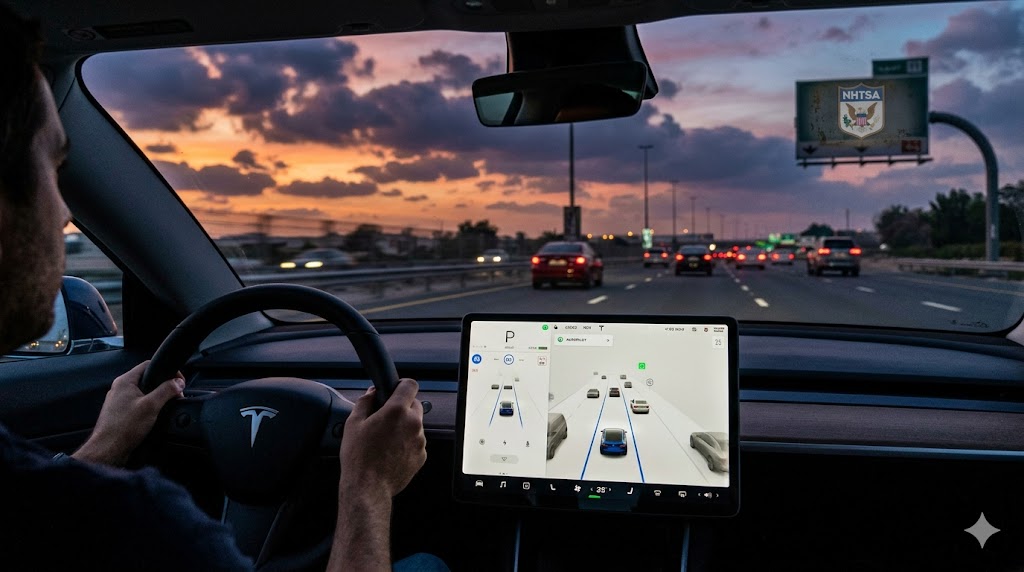
Part of the urgency traces directly to competitors that built the car around the software rather than adding software to the car. Tesla designed its vehicles from the outset with a unified electrical architecture and the ability to push updates over the air, the same way a phone manufacturer would. That let it add features, fix bugs, and even adjust performance characteristics after the car was already in a customer's driveway. Several Chinese EV makers have followed a similar software-first playbook, iterating on in-car experience at a pace that surprised import-focused rivals.
Legacy automakers watched buyers—especially younger ones—start treating infotainment responsiveness and update frequency as seriously as they once treated horsepower and interior materials. A car that couldn't get better after purchase started to look old the moment it left the lot, regardless of how it drove. That competitive pressure is arguably the single biggest reason legacy brands accelerated their software ambitions rather than continuing to outsource it piecemeal.
Recurring Revenue Is the Quiet Motivator Nobody Advertises
There's a second, less flattering reason behind the buying spree: subscriptions promise the kind of recurring, high-margin revenue that automakers have envied in the technology sector for years. Selling a car is a one-time transaction with thin margins after incentives and dealer costs. Selling access to a feature—heated seats, a performance mode, enhanced driver assistance, remote start—every month is a fundamentally different business, closer to how software companies operate than how car companies traditionally have. Owning the software stack outright, rather than licensing it through a supplier, is a prerequisite for capturing that revenue directly instead of splitting it with a third party.
This is why so much of the activity isn't limited to acquisitions. Automakers are also building internal software divisions from scratch, hiring engineers away from tech companies, and in some cases spinning out or restructuring existing units specifically to develop what the industry calls the software-defined vehicle. Toyota and Volkswagen are among the traditional manufacturers that have publicly committed to large in-house software efforts aimed at owning more of this stack rather than depending on outside vendors indefinitely.
What Changes for You: Faster Updates, But Also New Gatekeepers
For consumers, the upside of this shift is real. Over-the-air update capability means your car can receive bug fixes, added features, and even safety-related improvements without a dealership visit. Problems that once required a recall and a service appointment can sometimes be resolved with a software push while the car sits in your garage overnight. Infotainment systems built in-house tend to feel more cohesive because one team owns the whole experience rather than stitching together modules from competing suppliers.
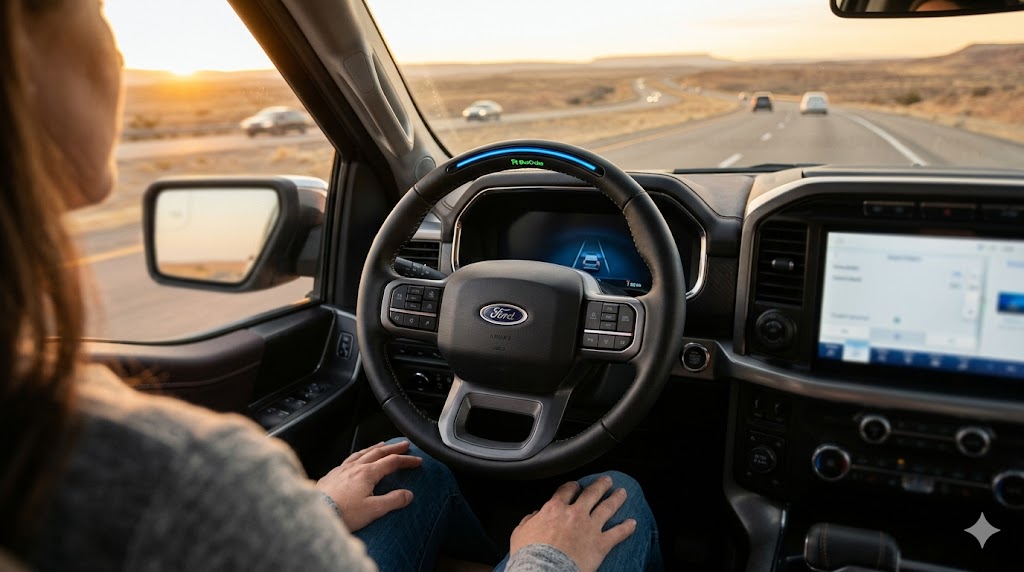
The downside is that the same architecture enabling those updates also enables subscription gating. Hardware that's already installed in the car—a heated steering wheel, a more powerful drive mode, adaptive high beams—can be locked behind a software toggle and a recurring fee. Ford's public struggles with software quality and reliability in recent years illustrate that owning the stack doesn't automatically mean executing it well; some owners experienced glitches and inconsistent update rollouts as the company worked through growing pains in its in-house systems. GM's decision to drop Apple CarPlay and Android Auto support in certain electric models in favor of a proprietary, Google-based interface shows the other edge of this sword: when the automaker controls the software, it also controls what you're allowed to plug into it, for better or worse.
The Risks You Don't See Until Years Later
The features-as-a-service model introduces a kind of dependency car buyers haven't historically had to think about. When you buy a car, you expect its core functions to work for as long as you own it, regardless of what happens to the company afterward. Software-defined vehicles complicate that assumption. If an automaker changes its subscription strategy, deprecates a backend service, or simply deprioritizes support for an older platform generation, features you paid for—or even features that came standard—can degrade or disappear in ways a traditional mechanical failure never would.
There are also data privacy questions that didn't exist when your car's only "connection" was an antenna for the radio. A vehicle with an always-on software platform is also a vehicle collecting location data, driving behavior, and usage patterns, often tied to a subscription account and shared with partners in ways that aren't always obvious from the sales floor. And software bugs, while usually less catastrophic than mechanical failures, can affect systems tied to safety features, climate control, or even the ability to unlock and start the car—failure modes that are new to an industry used to thinking about recalls in terms of physical parts.
A Trade You're Making Whether You Notice or Not
None of this means the shift toward software ownership is a mistake for automakers, or a bad deal for every consumer. Faster updates and more cohesive digital experiences are genuine improvements over the fragmented, supplier-cobbled systems of the past. But the arrangement asks buyers to trust that a company traditionally organized around building durable hardware can also run a software business with the discipline that model demands—support commitments, security patching, and honest communication about what's a one-time purchase versus a rental. That trust hasn't been fully earned yet across the industry, and the bumpy rollouts at several major brands suggest it will take years, not one product cycle, to prove out.
Key Takeaways
- Automakers are acquiring and building software companies mainly to escape a fragmented, supplier-based architecture that makes rapid updates difficult.
- Competitive pressure from software-first companies like Tesla and several Chinese EV makers accelerated a shift legacy brands were already considering.
- Owning the software stack lets automakers pursue recurring subscription revenue, which is why previously standard features can now appear behind a paywall.
- Consumers benefit from faster over-the-air fixes and more cohesive infotainment, but face new risks around subscription-gated hardware, data privacy, and long-term support uncertainty.
- Early stumbles at brands like Ford and GM's removal of CarPlay/Android Auto in some EVs show that owning software doesn't guarantee executing it well.
- Bottom line: this shift generally benefits automakers' margins first and consumers second, so read the fine print on what's included versus subscription-gated before you buy.