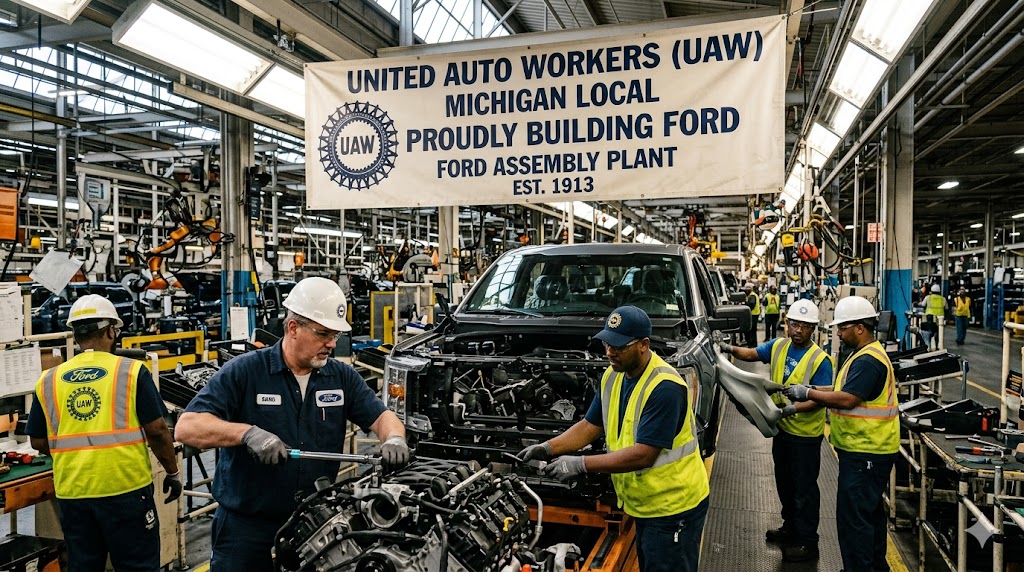

The United Auto Workers union's next major contract cycle with the Detroit Three - Ford, General Motors, and Stellantis - arrives in a context that makes it more consequential than typical negotiating cycles. The 2023 agreements, which the UAW described as landmark gains including wage increases and cost-of-living adjustments, established a baseline that both sides will build from. The 2026 negotiations add new dimensions that 2023 didn't fully resolve: the EV transition's impact on manufacturing employment, the question of battery plant wages and working conditions, and the competitive pressure from non-union domestic and foreign manufacturing.
The UAW's gains in 2023 came from a position of unusual leverage - a tight labor market, record industry profits, and a willingness to strike multiple plants simultaneously that demonstrated organizational capacity the union had not previously used this way. The 2026 environment involves some of the same dynamics and some different ones.
EV transition employment is the structural question that contract negotiations can address at the margins but not resolve. The shift from internal combustion engine manufacturing to electric vehicle production changes the skill requirements and, potentially, the workforce size at specific facilities. Battery assembly requires different labor profiles than engine machining. The UAW's position in battery plant negotiations, and the wage structure for EV-specific assembly work relative to traditional vehicle assembly, will shape how the union's membership experiences the transition.
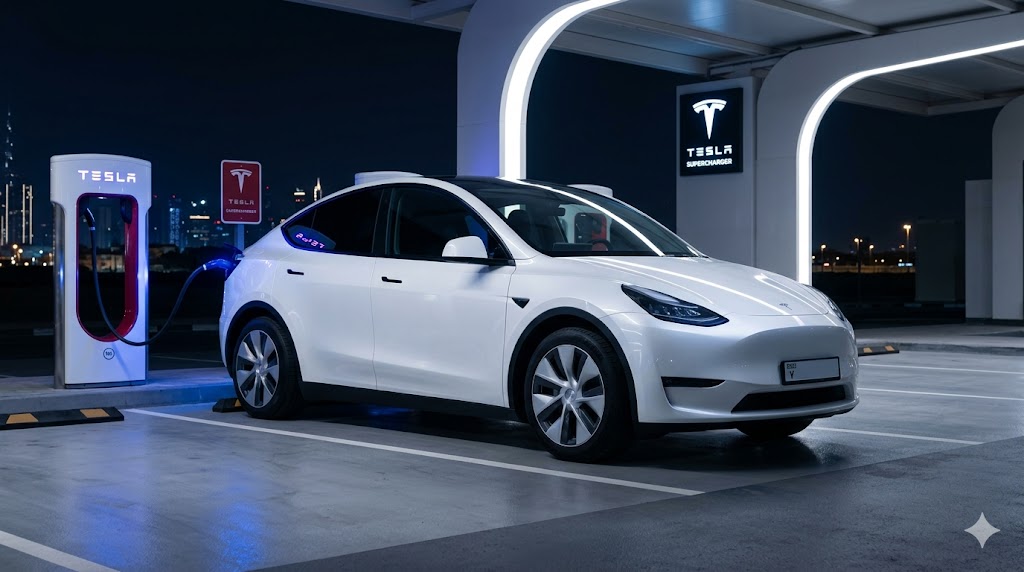
Foreign and non-union domestic competition provides the counterweight to UAW leverage that manufacturers emphasize in negotiations. Toyota, Honda, BMW, and Tesla operate significant US manufacturing with non-union workforces at wage and benefit structures that differ from UAW agreements. The gap between UAW and non-union manufacturing cost structures is a real variable in manufacturer investment decisions about where to locate new production.
For vehicle buyers, the practical impact of labor negotiations is indirect. Labor costs are a component of vehicle manufacturing cost, but not the dominant one. Significant contract improvements translate to vehicle price pressures that are modest in isolation and get absorbed among multiple factors. The more direct consumer impact comes from production interruptions during strikes.
Summary
What it is: An analysis of the 2026 UAW contract negotiation context - what's at stake for the union, the manufacturers, and the consumers who buy the vehicles they produce.
Best for: Industry observers and buyers who want to understand how labor negotiations affect vehicle prices, production, and the EV transition.
Biggest cost/risk factor: For buyers: production disruptions during strikes affect specific model availability in ways that are difficult to predict in advance.
When to act: This is context for understanding market dynamics rather than a direct purchase guide.
AutosAdvisor is not a labor relations expert or financial advisor. This content is analytical and educational.