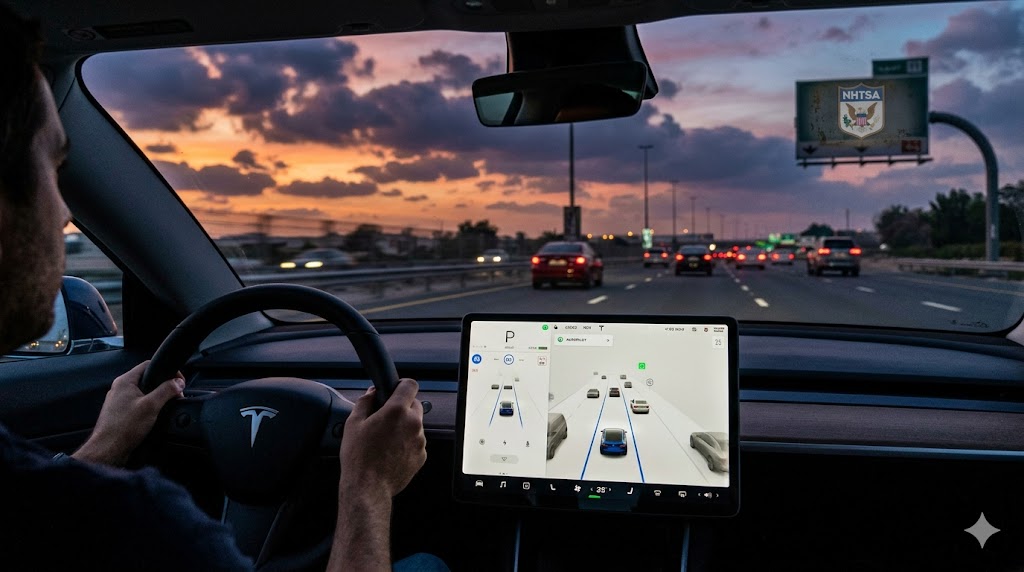
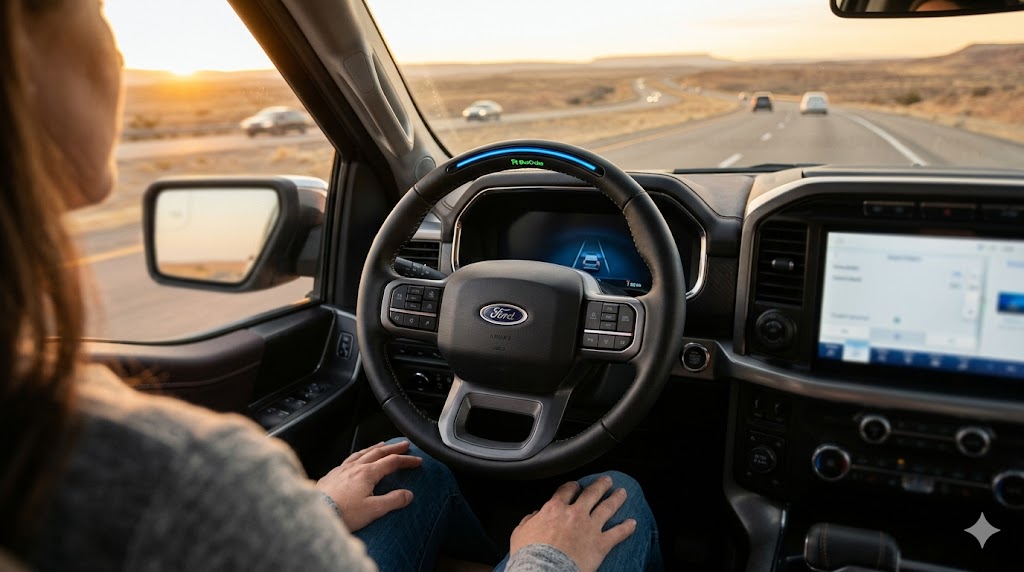
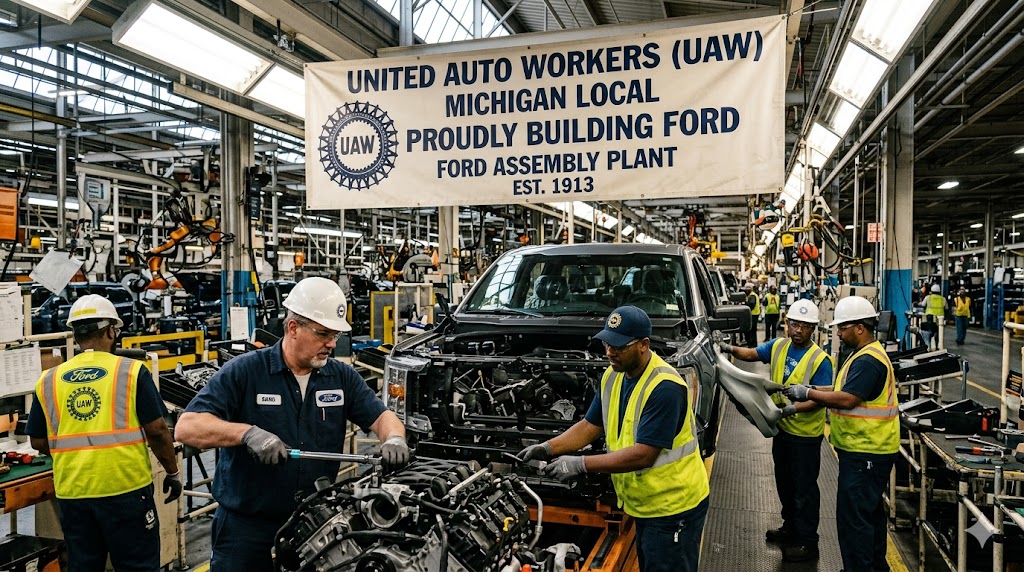
A luxury automaker runs an ad campaign built around a young professional speeding through a city at night, and yet the buyers actually signing the paperwork at the dealership skew a couple of decades older than the actor in the commercial. This gap between marketing image and buyer reality is not a mistake or an oversight. It's a deliberate strategy, and understanding why automakers market to a demographic they don't actually sell to, or work hard to shift a demographic they do sell to, explains far more about brand strategy than any single ad campaign does on its own.
Buyer demographic data, age, income, household composition, regional concentration, tends to lag or diverge from marketing imagery for a specific reason: the people currently buying a brand are often not the people that brand needs to attract to secure its future. A brand with a loyal but aging customer base faces a real strategic problem even if current sales look healthy, because that base won't be buying cars forever, and if the brand hasn't cultivated appeal with younger buyers, it's staring down a demographic cliff that current sales figures don't show yet. Marketing aimed at a younger audience than the actual buyer base isn't dishonest so much as it's aspirational and forward-looking, an attempt to seed brand awareness now that might convert into a purchase a decade from now when that viewer is in a different life stage.
Why the Buyer-to-Ad Gap Exists by Design
This dynamic shows up most clearly in categories where the actual purchase decision is heavily influenced by life stage rather than personal taste alone. Minivans and three-row SUVs are bought overwhelmingly by people with children at home, a demographic reality that doesn't change no matter how a brand markets the vehicle, yet the advertising for these vehicles frequently emphasizes adventure, freedom, and lifestyle imagery that reads more like it's targeting a childless buyer. That's not a marketing failure; it's an attempt to make a fundamentally practical purchase feel aspirational rather than purely utilitarian, because purely utilitarian marketing doesn't move buyers who have other options to consider.
Luxury brands face a version of this in reverse. Their actual buyer base often clusters in older, higher-income brackets simply because that's who can afford the vehicles and who has accumulated enough career earnings to prioritize the purchase, yet luxury marketing skews younger and more aspirational because brand desirability among younger consumers, even ones who can't afford to buy yet, sustains the brand's premium positioning for the decade when those consumers can afford it. If a luxury brand only marketed to its actual current buyer demographic, it would look and feel dated to the exact audience it needs to be cultivating for its next growth phase.
Regional and Household Patterns Tell Their Own Story
Beyond age and income, brand demographics vary meaningfully by region and household structure in ways that shape product strategy more than most buyers realize. Truck-focused brands see concentrated strength in regions where trucks serve genuine utility purposes, agricultural areas, regions with significant trades and construction employment, alongside a broader base of buyers who want truck capability or image without the occupational need for it. This dual buyer base, functional users and aspirational users, means truck marketing has to do two jobs simultaneously, emphasizing capability specs for one audience while emphasizing lifestyle and status for the other, often within the same ad campaign.
Household composition matters just as much as geography. Brands with strong sedan and compact car lineups tend to see disproportionate strength among single buyers and smaller households, while three-row and larger SUV-focused brands lean toward larger households, which is intuitive but has real product-planning consequences. A brand whose core buyer base is shifting toward smaller households as demographics change nationally, driven by delayed marriage and childbearing trends broadly documented by demographers, faces pressure to rebalance its lineup toward smaller vehicles even if its historical strength and brand identity is built around larger family vehicles.
What the Data Reveals About Marketing Risk
The gap between actual buyer demographics and marketing target demographics isn't risk-free. When a brand markets aggressively to a demographic it doesn't currently sell to without eventually converting meaningful volume from that group, it can end up spending marketing dollars that build awareness without building sales, a mismatch that shows up in inefficient customer acquisition costs even if brand sentiment metrics look fine. This is a real tension inside automaker marketing departments, sentiment and awareness metrics can look great among a target demographic while actual transaction data among that same demographic barely moves, and the two datasets can tell contradictory stories about whether a marketing strategy is working.
The brands that manage this gap most effectively tend to be the ones that use demographic data to sequence their strategy rather than chase a single audience at the expense of their actual base. That might mean maintaining product and service investment aimed at satisfying the current, older or more established buyer base while layering in specific model introductions, often smaller, more affordable, or more technologically forward variants, aimed at capturing the demographic the brand is trying to grow into. Brands that instead abandon their actual buyer base too aggressively in pursuit of a demographic that isn't converting yet risk alienating the customers actually paying the bills without successfully replacing them.
Reading This as a Consumer
For buyers, this dynamic is worth knowing mostly because it recalibrates what marketing is actually telling you. An ad campaign's tone and casting tells you which demographic the automaker wants to grow into, not necessarily who you'll be sharing a service waiting room with. If demographic fit, feeling like a brand's dealership experience, ownership community, and product design cater to people like you, matters to your buying decision, it's more useful to look at actual buyer data where available or simply observe who drives the vehicle in your area than to extrapolate from advertising. The vehicles themselves are shaped by real buyer data even when the advertising is aimed somewhere else entirely, which is exactly why marketing and demographics diverge as consistently as they do across nearly every brand in the market.
Key Takeaways
- Brand advertising frequently targets a demographic younger or different from the actual current buyer base, as a deliberate strategy to build future demand rather than reflect present reality.
- Practical vehicle categories like minivans and three-row SUVs are marketed aspirationally precisely because the real buyer base is defined by life stage rather than lifestyle preference.
- Truck brands market to two distinct buyer groups at once, functional users and aspirational users, which shapes campaigns that blend capability messaging with lifestyle imagery.
- Household size and regional trends drive real product-planning decisions that often lag behind how a brand chooses to advertise itself.
- Marketing aimed at a demographic that isn't converting into sales can waste acquisition spend even while brand sentiment metrics look strong.
- Bottom line: treat brand advertising as a signal of where an automaker wants to grow, not a mirror of who is actually buying, and look to real ownership patterns if demographic fit matters to your decision.