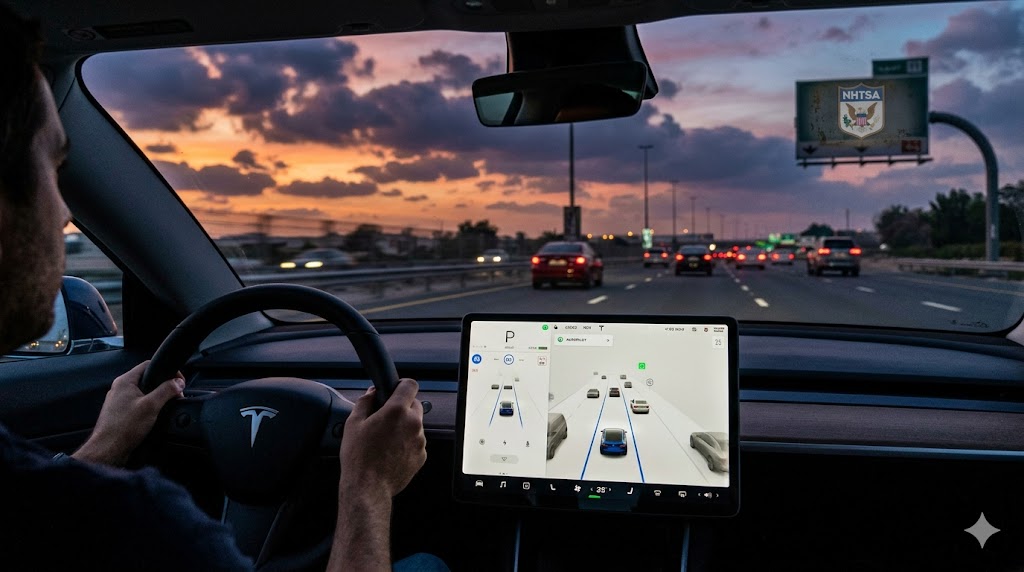
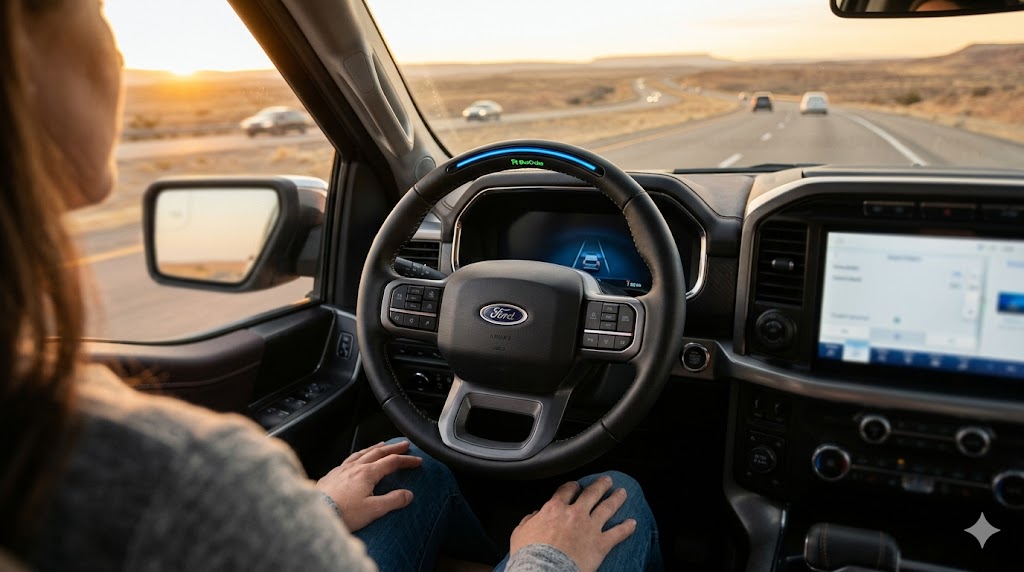
For most of automotive history, the day you drove a new car off the lot was the day it stopped improving. Whatever performance, features, and quirks it had at delivery were the ones it would have for the next decade, barring a recall or a trip to the dealership for a firmware flash that most owners never knew existed. That assumption has quietly broken. A growing share of new vehicles now receive over-the-air updates that can adjust acceleration behavior, add entirely new features, fix bugs in the infotainment system, or patch a safety-relevant software flaw—all without the owner ever visiting a service bay. The car you buy today is increasingly a starting point rather than a finished product, and that shift is the defining idea behind what the industry calls the software-defined vehicle.
The Core Claim: Cars Are Starting to Behave Like Phones
The phone comparison isn't just a marketing flourish—it describes a real architectural shift happening under the hood. A modern smartphone is valuable not because of its silicon alone but because of the software layer that keeps evolving on top of it: a new iOS or Android release adds camera features, security patches close vulnerabilities, and apps update in the background without you doing anything. Vehicles built on a software-defined architecture are being designed the same way, with a smaller number of powerful, centralized computers running much of the car's functionality, rather than dozens of isolated microcontrollers each doing one narrow job. That centralization is what makes meaningful over-the-air updates possible in the first place, because there's a real computing platform underneath capable of running new code, not just a patchwork of single-purpose chips.
This matters because it changes what "buying a car" actually means. Historically, a vehicle's capability was fixed at the factory and depreciated from there. In a software-defined vehicle, capability can be added after purchase—sometimes through a free update, sometimes through a paid unlock—which means two identical cars built on the same day could diverge meaningfully in what they can do a year later depending on which updates they've received. That's a genuinely new dynamic for an industry that has sold "new car smell" and static spec sheets for more than a century.
What OTA Updates Actually Touch
It's worth being precise about what over-the-air updates can and can't do, because the phone analogy invites some exaggeration. On the lighter end, OTA updates commonly refresh infotainment software, map data, voice assistant capabilities, and connected-app integrations—the same kind of surface-level polish you'd expect from a phone update. Further in, some automakers use OTA updates to adjust battery management logic in electric vehicles, refine driver-assistance system behavior, or tune suspension and drivetrain characteristics within the bounds the underlying hardware allows. At the most consequential end, regulators and automakers have used over-the-air software patches to address safety-relevant issues that would once have required a physical recall visit, pushing a fix to an entire fleet in days rather than scheduling appointments over months.
What OTA updates generally cannot do is change what the hardware is physically capable of. A software update can unlock a feature that the hardware already supports but that was gated off at purchase, and it can optimize how existing sensors and actuators work together, but it can't add horsepower the engine or motor doesn't have, or give a car sensors it was never built with. The distinction matters for buyers evaluating a vehicle's future potential: check whether a "future update" claim depends on hardware already installed in the car versus hardware that would need to be added later, because only the former is something a software patch can actually deliver.
The New Business Model Hiding Inside the Update
Perhaps the most phone-like aspect of this shift isn't the update mechanism itself but the business model it enables. Once a car has the physical hardware for a feature—heated seats, extra horsepower, an advanced driver-assistance package—automakers have experimented with letting owners activate that feature after purchase through a subscription or one-time software unlock, rather than requiring it be selected as a factory option before the car is built. This is directly analogous to how a phone might ship with a camera sensor capable of a feature that only gets turned on in a later software release, or how certain premium app features sit behind a subscription wall despite running on hardware you already own.
This approach has provoked real pushback from consumers and reviewers, and automakers have adjusted some of these programs in response to that criticism. The tension is legitimate: buyers who spent money on physical hardware understandably resent being asked to pay again, on a recurring basis, to use what they already own. At the same time, the subscription model gives automakers a new, recurring revenue stream that doesn't depend on selling another vehicle, which is part of why the industry keeps returning to variations of the idea even when specific implementations get scaled back. Anyone shopping for a vehicle marketed around its software capabilities should read the fine print on which features are included outright versus gated behind an ongoing subscription, because that distinction can meaningfully change the car's real cost of ownership over time.
Security and Reliability: The Tradeoff Nobody Advertises
Connecting a two-ton machine to the internet and giving it the ability to receive remote code changes is not a free upgrade—it's a tradeoff. The same connectivity that lets an automaker patch a bug overnight also creates an attack surface that didn't meaningfully exist in a purely mechanical car. The industry has responded with dedicated cybersecurity standards and practices for connected vehicles, and automakers now treat vehicle software security as a standing engineering discipline rather than an afterthought, but the fundamental exposure is real and grows as more of the car's functionality moves into software.
There's a reliability dimension too. A buggy phone update is an annoyance you can route around by not restarting your phone for a day. A buggy update to a vehicle's braking assistance, steering behavior, or battery management system is a different category of risk entirely, which is why automakers generally stage rollouts, test extensively, and in some cases require the vehicle to be parked and connected to Wi-Fi rather than pushing updates while a car is in motion or in active use. The comparison to phones is useful for understanding the delivery mechanism, but the stakes of getting an update wrong are simply not the same when the "device" in question is capable of highway speeds.
What This Means for How You Buy and Keep a Car
If cars are increasingly software platforms, then evaluating one the way you'd evaluate a phone—looking not just at the specs on day one but at the manufacturer's track record for meaningful, well-tested updates over time—is becoming a reasonable part of the car-buying process. A vehicle that ships with strong hardware but a thin software update history may age less gracefully than a comparable vehicle from a manufacturer that has demonstrated years of substantive OTA support. That's a genuinely new axis of comparison that didn't exist for most of automotive history, and it rewards buyers who research a brand's software reputation with the same seriousness they'd apply to reliability ratings or crash-test scores.
The shift also changes what depreciation and resale value might mean going forward. A car that keeps gaining relevant capability through software could hold owner satisfaction, and potentially resale appeal, better than one that's mechanically similar but software-frozen at the factory state. It's still early to say how strongly that dynamic will show up in resale markets, but the logic mirrors exactly what happened with phones: a well-supported device ages differently than an abandoned one, even if the underlying hardware is comparable.
Key Takeaways
- Software-defined vehicles centralize computing power so that over-the-air updates can meaningfully change how a car behaves, not just refresh its infotainment screen.
- OTA updates can unlock features, patch safety issues, and improve software-controlled behavior, but they can't add capabilities the underlying hardware was never built to support.
- Feature-unlock subscriptions are the most phone-like—and most controversial—part of this shift, since they can charge owners again for hardware they already purchased.
- Constant connectivity brings real cybersecurity and reliability tradeoffs that don't exist in a purely mechanical vehicle, even as it enables faster fixes.
- A manufacturer's track record of substantive, well-tested software updates is becoming a legitimate factor to weigh alongside traditional reliability data when buying a car.
- Bottom line: treat a software-defined vehicle less like a finished product and more like a platform, and judge it by both what it can do today and how seriously the automaker supports it tomorrow.