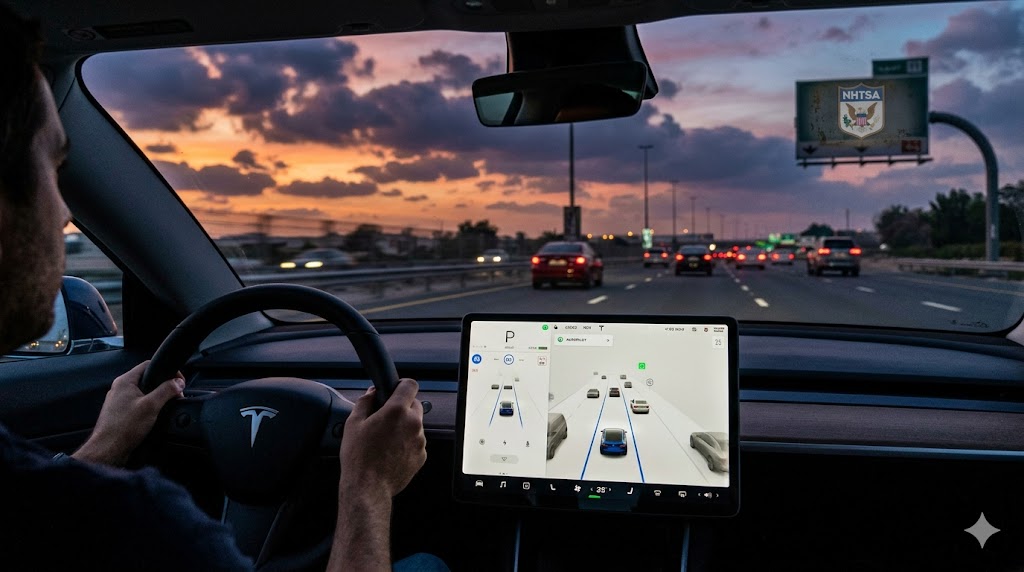
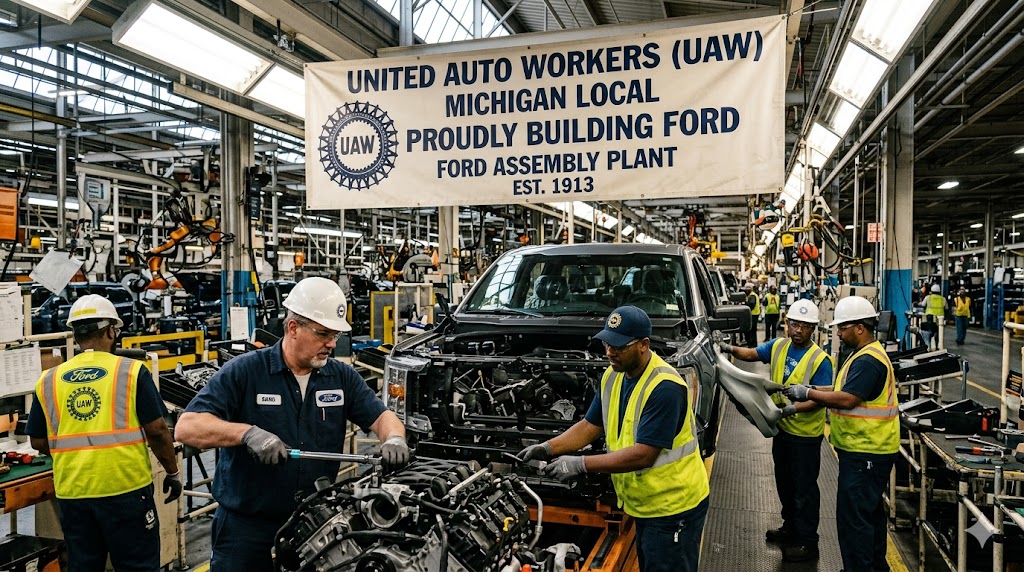
Walk onto almost any dealer lot a few years back and you'd have noticed something that would have seemed absurd a decade earlier: cars missing heated seats or driver-assist features, not because customers didn't want them, but because a two-dollar chip wasn't available when the vehicle rolled down the line. That was the defining image of the early-2020s semiconductor shortage, and it exposed something automakers had spent decades avoiding: a modern car, built on razor-thin inventory margins and a supply chain optimized purely for cost, is only as strong as its most obscure component. Plants idled, and production plans got rewritten monthly. Automakers that considered themselves masters of logistics discovered they didn't even know which foundry was making the parts buried three or four supplier tiers below them. The shortage forced a rethink of how vehicles get designed, sourced, and stocked, and that rethink is still underway, with changes that are structural rather than cosmetic.
From Just-in-Time to Just-in-Case
The most immediate shift has been in inventory philosophy. For decades, automakers ran on lean, just-in-time principles borrowed largely from Toyota's production system: hold minimal stock, let parts arrive right before they're needed, and let the cash saved on warehousing flow to the bottom line. Semiconductors, cheap and seemingly abundant, were treated the same as bolts or wiring harnesses — ordered close to the point of use, with little thought given to buffer stock. When chip fabrication capacity tightened globally, automakers had almost no cushion, and the effects hit assembly lines within weeks.
The response has been a deliberate move toward "just-in-case" buffers for the components identified as highest-risk. Automakers and their tier-one suppliers now commonly hold weeks or months of safety stock for critical chips, rather than the days of buffer that used to be standard. This isn't a wholesale abandonment of lean manufacturing — holding excess inventory across an entire parts list would be prohibitively expensive. Instead, it's a targeted strategy: identify the chips that are single-sourced or produced by a narrow set of foundries, and carry meaningfully more of those specific parts. The trade-off is real. Extra inventory ties up working capital, requires more warehouse space, and risks obsolescence if a chip design is retired before the stockpile is used. Automakers are, in effect, paying an insurance premium against a repeat disruption, and finance teams are still weighing how much of that premium is worth carrying permanently.
Going Around the Tiered Supplier Model
Perhaps the more structurally significant change is how automakers relate to chipmakers themselves. Historically, automakers rarely dealt with semiconductor manufacturers directly. Chips were bought by tier-one and tier-two suppliers who built them into modules — infotainment units, engine control units, sensor packages — and sold the finished module to the automaker, which often had no visibility into which chip, from which fab, sat inside a given part. That opacity became a serious liability once shortages hit, because automakers had no direct lever to pull with the companies actually constraining supply.
Since then, several major automakers have pursued closer, direct relationships with semiconductor companies, in some cases negotiating supply arrangements or long-term capacity commitments that bypass traditional layers of the supply chain. The goal isn't always to buy chips outright, though that happens more now; it's to gain visibility and priority. An automaker with a direct line to a chipmaker's production planning can forecast bottlenecks and negotiate guaranteed allocation during a future crunch, rather than discovering a shortfall after a supplier fails to deliver. It's a meaningful departure from decades of treating semiconductors as an interchangeable commodity best left to intermediaries.
Redesigning Electronics Architecture to Need Fewer Chips
A less visible but arguably more important change is happening inside engineering departments rather than procurement offices. Vehicles built through the 2010s accumulated dozens of separate electronic control units, each often requiring its own microcontroller sourced from a different supplier. This sprawl made vehicles harder to build and more exposed to shortages, since one missing chip type for an obscure module could halt an entire assembly line.
Automakers are now consolidating that architecture. Rather than dozens of distributed control units each running a dedicated chip, newer platforms increasingly centralize computing into a smaller number of powerful domain or zonal controllers handling multiple functions that once required separate hardware. Fewer distinct chip types means fewer points of failure and more leverage when negotiating with any single supplier, since volume gets concentrated rather than spread thin. This is a multi-year undertaking requiring a rethink of wiring, software, and supplier relationships all at once. It addresses the root vulnerability the shortage revealed: automotive demand for any individual chip part number was often too small to be a priority for foundries when consumer electronics customers offered far larger, more profitable orders.
Diversifying Where Chips Get Made, and Owning More of the Design
Underneath all of these strategies sits a geographic reality that's proven stubbornly hard to change. Advanced semiconductor fabrication, especially for cutting-edge process nodes, remains concentrated in a small number of facilities located predominantly in East Asia. Automotive-grade chips tend to use older, mature nodes rather than the bleeding-edge ones used in smartphones, but even that mature-node capacity sits with a limited number of foundries globally. That concentration was a central reason the shortage hit so broadly and lasted so long — there simply wasn't enough alternative capacity to absorb the surge in demand.
Automakers and policymakers alike have pushed for more geographic diversification since then: new fabrication capacity has been announced and built in additional regions, including expanded investment in North America and Europe, partly encouraged by government incentives aimed at reducing reliance on any single chokepoint. Some automakers have also broadened the roster of foundries they work with rather than concentrating orders with one or two suppliers. Still, it would be misleading to call this problem solved. Building new capacity takes years and enormous capital, and mature-node additions have generally lagged the headline-grabbing investments in cutting-edge fabs. Full de-risking isn't realistic near-term; what's realistic is incremental diversification that reduces, without eliminating, exposure to any single region or company's fortunes.
A related trend involves automakers moving further up the value chain, co-designing chips with semiconductor partners rather than buying off-the-shelf parts. This lets an automaker specify exactly what a chip needs to do, potentially consolidating functions that once required multiple components, and lock in manufacturing capacity as part of the partnership — a strategy borrowed loosely from how large tech companies work with foundries on custom silicon. It carries real costs, though: it requires engineering expertise automakers have historically not needed in-house, and it commits a company to a specific architecture years before the vehicles reach production. It's likely to remain a strategy for the largest manufacturers, while smaller automakers keep relying on broader supplier relationships with better visibility and diversified sourcing.
Weighing the Cost of Resilience Against the Cost of the Next Shortage
None of these strategies are free, and that tension deserves attention rather than a glossing-over. Bigger inventories tie up cash. Direct chipmaker relationships require new capabilities and can strain existing supplier ties built over decades. Redesigning electronics architecture is a slow, expensive project layered on top of every other demand on an automaker's development budget. Diversifying foundry sources takes years and doesn't guarantee lower costs, since new fabs are rarely cheaper than existing, optimized ones. Every one of these moves toward resilience works against the efficiency logic that shaped the industry's supply chains for decades.
The bet automakers are making is that the cost of that inefficiency is smaller than the cost of another shutdown on the scale of the early-2020s disruption. Whether that bet pays off depends on factors outside any single company's control, including how chip demand from other industries evolves and how geopolitical tensions around manufacturing regions play out. What's clear is that treating chips as a commodity sourced at the lowest cost, with minimal visibility into where they come from, is no longer an acceptable risk to companies that lived through the alternative.
Key Takeaways
- Automakers have shifted meaningfully from pure just-in-time inventory toward targeted "just-in-case" buffer stock for high-risk chips, accepting higher carrying costs as an insurance premium against future disruption.
- Direct engagement between automakers and chipmakers, bypassing traditional tiered suppliers, is becoming more common as a way to gain visibility and priority access rather than discovering shortfalls after the fact.
- Vehicle electronics architecture is being consolidated into fewer, more powerful controllers to reduce the number of distinct chip types a vehicle depends on, lowering the odds that one missing part number halts production.
- Efforts to diversify chip fabrication geographically are real but incremental, since building new capacity takes years and advanced automotive-grade fabrication remains concentrated in a handful of global regions.
- A smaller group of large automakers is pursuing custom chip design partnerships, a costly and technically demanding path unlikely to be practical for the whole industry.
- None of these fixes are free or complete; the bottom line is that automakers are trading some of the old efficiency-first model for durability, betting that the cost of resilience is cheaper than the cost of the next shortage. ������������������������������������������������������������������������������������������������������������������������������������������������������������������������������������������������������������������������������������������������������������������������������������������������������������������������������������������������������������������������������������������������������������������������������������������������������������������������������������������������������������������������������������������������������������������������������������������������������������������������������������������������������������������������������������������������������������������������������������������������������������������������������������������������������������������������������������������������������������������������������������������������������������������������������������������������������������������������������������������������������������������������������������������������������������������������������������������������������������������������������������������������������������������������������������������������������������������������������������������������������������������������������������������������������������������������������������������������������������������������������������������������������������������������������������������������������������������������������������������������������������������������������������������������������������������������������������������������������������������������������������������������������������������������������������������������������������������������������������������������������������������������������������������������������������������������������������������������������������������������������������������������������������������������������������������������������������������������������������������������������������������������������������������������������������������������������������������������������������������������������������������������������������������������������������������������������������������������������������������������������