Buyers used to run the numbers on a car purchase and treat insurance as an afterthought, a line item to sort out after the financing and the sticker price were settled. That ordering has flipped for a growing number of shoppers. Insurance premiums have climbed enough in recent years that they're now a genuine constraint on what people can afford to drive, sometimes changing which vehicle they choose before they've even finished comparing loan offers. This shift is reshaping purchase decisions in ways that extend well beyond the obvious math of a bigger monthly bill.
This article offers general information about a trend affecting car buyers broadly; it isn't personalized financial or insurance advice, and your own premium will depend on your driving record, location, and specific policy details, so it's worth getting actual quotes for any vehicle you're seriously considering before you commit.
Why Insurance Became a Bigger Piece of the Affordability Puzzle
Several forces have pushed premiums upward at the same time, compounding rather than offsetting each other. Vehicle repair costs have risen alongside the complexity of modern cars, since a bumper that once housed a simple sensor now often integrates cameras, radar units, and other driver-assistance hardware that costs considerably more to replace or recalibrate after even a minor collision. Insurers price for that repair complexity, and it shows up in premiums across nearly every vehicle segment, not just luxury models with expensive parts. Medical and litigation costs tied to accident claims have also trended upward over time, another factor insurers must account for in setting rates.
The net effect is that insurance has grown faster as a share of total ownership cost than it historically did, which matters because insurance, unlike a loan payment, doesn't end when the vehicle is paid off. A buyer evaluating total cost of ownership now has to weight the insurance line more heavily and for longer than affordability calculations used to assume, and that recalibration is happening in real time as buyers get insurance quotes that surprise them relative to what they budgeted.
How This Changes What Buyers Actually Choose
The most direct effect shows up when buyers get an insurance quote for a vehicle they were set on and find it materially higher than expected, which is increasingly common for vehicles in categories insurers treat as higher-risk: certain high-performance trims, vehicles with a history of frequent theft or high claim rates, and models with notably expensive parts or repair procedures. That quote can genuinely redirect a purchase decision, pushing a buyer from a sportier trim to a base model, or from one nameplate to a comparable competitor with a better insurance profile, even when the vehicles themselves are priced similarly at the dealership.
This dynamic has made insurance cost-checking a more front-loaded part of the shopping process than it used to be. Buyers who once compared vehicles primarily on purchase price, features, and financing terms are increasingly pulling insurance quotes earlier in the process specifically to avoid falling for a vehicle only to discover the ongoing cost doesn't fit their budget. That's a meaningful behavioral shift, and it rewards buyers who do the extra legwork with a more accurate total-cost picture, while buyers who skip that step risk a payment shock after the purchase is already final.
New Versus Used: Where the Pressure Lands Differently
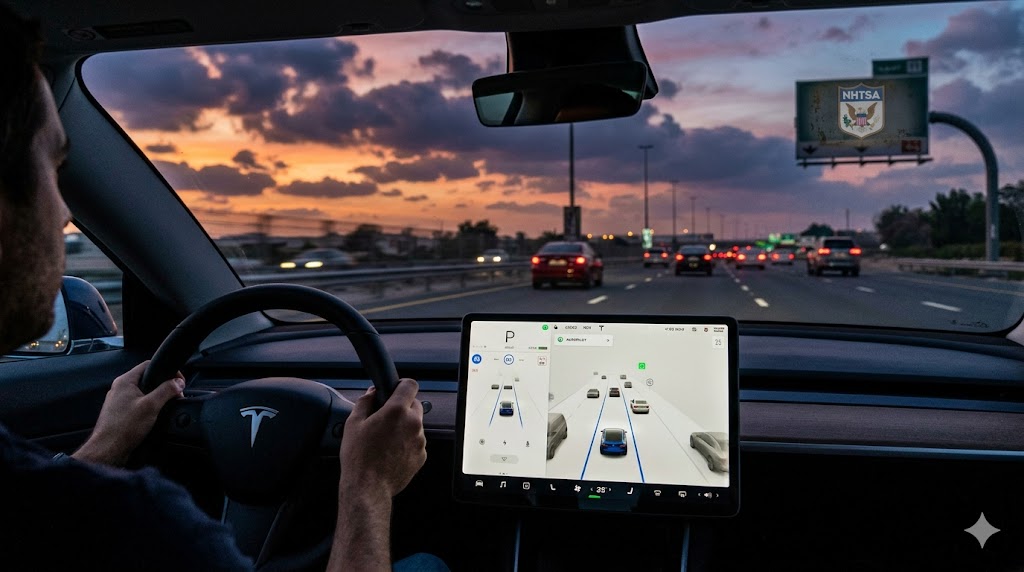
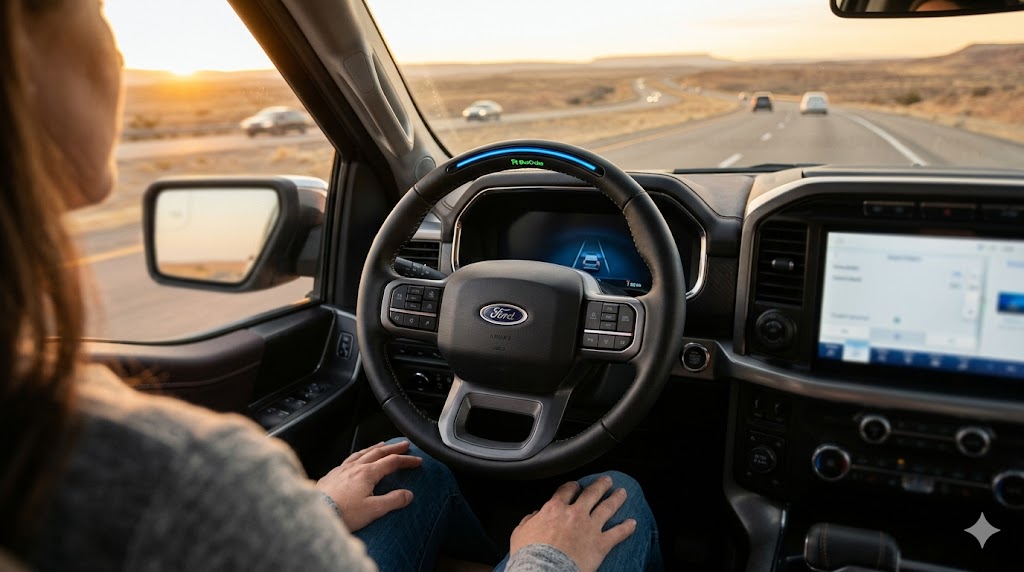
The insurance cost increase hasn't hit new and used vehicle buyers identically. New vehicles, particularly ones loaded with the latest driver-assistance and safety technology, often carry higher comprehensive and collision premiums specifically because that technology is expensive to repair or recalibrate, even though the same technology may reduce the likelihood of certain accidents in the first place. This creates a genuine trade-off: the safety features that make a new car theoretically less likely to be in a serious accident can simultaneously make it more expensive to insure because of what it costs to fix when something does go wrong, even something minor like a cracked windshield with an embedded camera.
Used vehicle buyers face a different calculation. Older vehicles typically carry lower comprehensive and collision costs simply because their market value is lower, meaning there's less for the insurer to pay out in a total-loss scenario, but that same buyer population is more likely to carry only liability coverage or minimal coverage tiers to manage costs, which shifts risk onto the owner in the event of an accident. For used-car buyers stretching to afford a purchase in the first place, the temptation to under-insure in order to hit a monthly budget target is real, and it's a trade-off worth thinking through carefully rather than defaulting to the cheapest available coverage without understanding what it excludes.
The Financing Connection Nobody Talks About Enough
Insurance costs intersect with financing in a way that doesn't get enough attention in typical car-buying advice. Lenders on a financed or leased vehicle typically require a minimum coverage level well above bare-bones liability protection, since the lender has a financial interest in the vehicle until the loan is paid off. That requirement isn't optional or negotiable in the way coverage might be for a vehicle owned outright, so buyers who are financing, which is most new-car buyers and a large share of used-car buyers, don't have full discretion to minimize insurance costs by dropping coverage, even if the monthly insurance bill is straining their budget. Factoring in that required coverage floor before finalizing a loan amount and term is a more accurate way to stress-test affordability than looking at the loan payment in isolation.
What a More Insurance-Aware Purchase Process Looks Like
The practical shift for buyers is treating an insurance quote as a required step in the shopping process rather than a formality handled after the deal is done. Getting quotes on the specific trim and model you're considering, not just the general nameplate, before signing anything gives you the clearest picture of what the vehicle will actually cost you monthly once insurance, financing, and any other recurring costs are combined. It also creates useful negotiating information: if two comparable vehicles carry meaningfully different insurance costs, that difference is a legitimate factor in choosing between them, on par with fuel economy or maintenance reputation, rather than a secondary consideration to sort out after the fact.
Key Takeaways
- Rising repair complexity and claims costs have pushed insurance from an afterthought to a genuine constraint shaping which vehicles buyers can realistically afford.
- High-tech safety features can raise comprehensive and collision premiums even as they reduce accident risk, creating a real trade-off for new-car buyers.
- Used-car buyers often face lower premiums but a greater temptation to under-insure, which shifts financial risk onto the owner in an accident.
- Financed and leased vehicles carry lender-required minimum coverage levels that limit how much buyers can cut insurance costs to fit a budget.
- Getting an insurance quote on the specific trim you want before finalizing a purchase has become an essential, not optional, step in accurately budgeting for a vehicle.
- Bottom line: price out insurance early and specifically, not generically, before committing to a purchase, since the gap between two similarly priced vehicles' insurance costs can be significant enough to change which one makes financial sense; this is general guidance, not a substitute for a personalized quote from a licensed insurer.