Walk a modern dealer lot and try to find the line where "mainstream" ends and "luxury" begins. You won't. A loaded top trim of a mass-market crossover now comes with quilted leather, a suite of driver-assist tech, ambient lighting, and a price tag that lands within a few thousand dollars of an entry-level model from a badge that used to own that space exclusively. Meanwhile, the legacy luxury brand next to it has quietly added a compact crossover and, in some cases, a pickup truck to a lineup that once consisted of sedans and a couple of grand tourers. Nobody planned this convergence as a single strategy. It happened because nearly every automaker looked at the same math and reached the same conclusion: the money is upmarket, and the fastest way to get there is to blur what "upmarket" even means.
The Math Behind the Migration
Volume segments have always been a brutal place to make money. Entry-level and mid-tier vehicles compete on price, which means thin margins, heavy incentive spending, and profitability that depends on scale most manufacturers no longer have the appetite to chase. Premium trims and luxury vehicles work differently. The cost of adding leather, a better infotainment screen, upgraded suspension tuning, or a driver-assist package is relatively small compared to what a buyer will pay for it, especially once that buyer has already committed to the vehicle and is simply climbing a trim ladder. That gap between marginal cost and marginal price is where the real profit lives, and it's a big part of why automakers now engineer entire trim hierarchies specifically to walk buyers upward one option package at a time.
This is not a new insight, but the intensity with which it's being pursued is new. Product planners increasingly treat the top two or three trims of a mainstream nameplate as the profit engine for the whole model line, with base trims serving mostly to anchor an advertised starting price and satisfy fleet or lease-return volume. The near-luxury and luxury segments extend that same logic further: buyers in this bracket are less price-sensitive, more loyal to a brand experience, and more willing to pay for options, service packages, and financing terms that pad the transaction well beyond the sticker price. When every other lever in the business — raw material costs, labor, regulatory compliance, electrification investment — is squeezing margins, moving the average transaction price upward becomes one of the few remaining levers a manufacturer fully controls.
Blurring the Line From Below
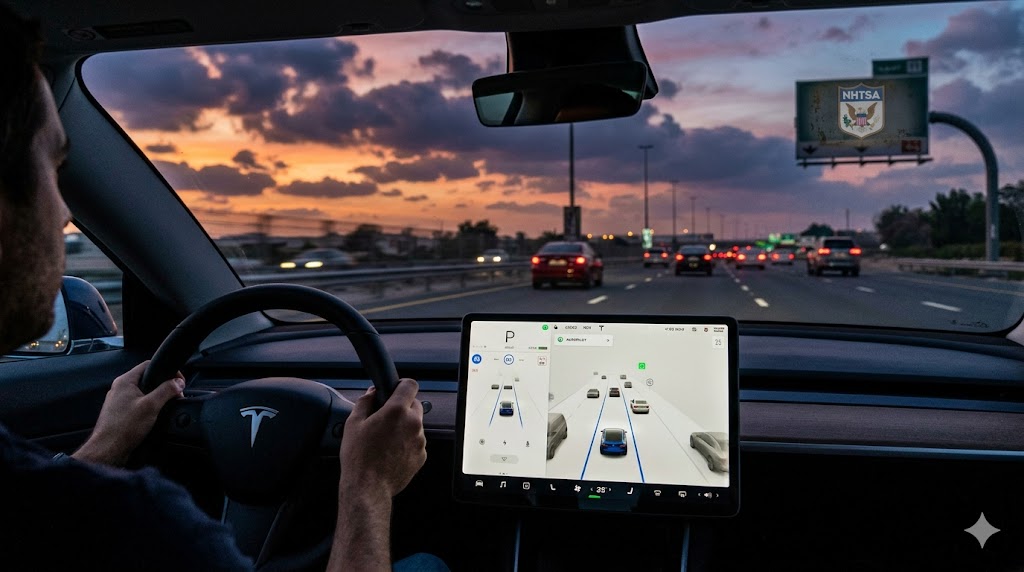
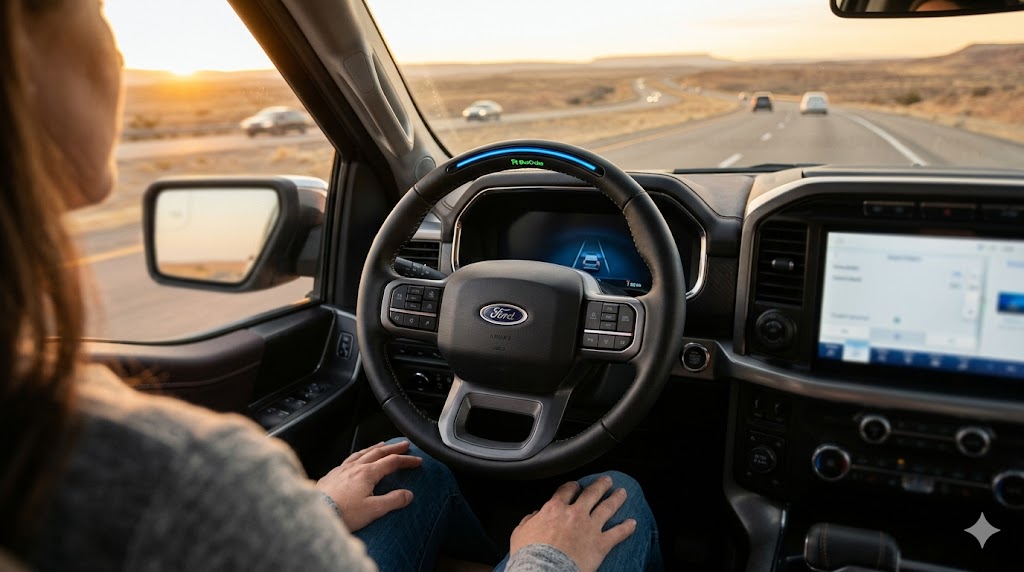
Mainstream brands have gotten remarkably good at exploiting the ambiguity of what counts as "luxury." A heavily-equipped top trim can now offer nearly everything a shopper associates with a premium vehicle — soft-touch materials, adaptive cruise control, surround-view cameras, premium audio — without the brand ever repositioning itself. This works because a large share of luxury's appeal was always about equipment and feel rather than badge prestige alone. If a mainstream nameplate can deliver that same sensory experience at a lower price point, plenty of buyers will take the deal and feel no sense of compromise.
The effect is that mainstream brands are no longer conceding the premium buyer to dedicated luxury marques by default. They're competing for that buyer directly, using trim strategy instead of a new brand or badge. This has forced traditional luxury players to justify their premium in ways that go beyond feature lists, since features are the one thing that's now easy to copy. Increasingly, the luxury pitch has to rest on brand heritage, ownership experience, resale value, and design language rather than a checklist of amenities that a top-trim mainstream vehicle can largely match.
Fragmentation at the Top
At the same time, the luxury tier itself has stopped being a tidy club with a handful of members. Legacy luxury brands have pushed into segments they once ignored entirely, adding compact crossovers to capture buyers who want the badge but not the size or price of a flagship, and in some cases entering categories like luxury pickups that would have seemed off-brand a decade ago. Near-luxury sub-brands, positioned deliberately between mainstream and full luxury, have carved out a middle tier that didn't used to exist in any organized way. The result is a luxury category that has fragmented into overlapping tiers rather than a single, stable rung on the ladder.
This fragmentation is a rational response to the same margin pressure driving mainstream brands upward. If premium trims are profitable for mass-market vehicles, then expanding a luxury lineup into more body styles and price points is even more profitable, since the brand can charge a premium at every point along the way rather than just at the top. But it also means the word "luxury" now covers a much wider range of vehicles, price points, and ownership experiences than it once did, which dilutes the clarity that made the term useful as a shorthand in the first place.
What This Means for Buyers
For shoppers, this shift cuts both ways, and it's worth being honest about both sides. On the upside, buyers get access to genuinely nicer, better-equipped vehicles at price points that would have been unthinkable in a comparable trim a decade or two ago. Someone who never considered themselves a luxury buyer can now cross-shop a loaded mainstream trim against an entry luxury model and get a legitimate premium experience either way. Competition has generally been good for the equipment-per-dollar equation across the board.
The downside is a genuine loss of clarity. When a mainstream top trim, a near-luxury sub-brand, and a legacy luxury entry-level model all occupy roughly the same price band with overlapping feature sets, the shopping process gets harder, not easier. Buyers have to do more work to figure out what they're actually paying for — is it the materials, the badge, the resale value, the service experience, or just the options list? That ambiguity can lead to decision fatigue, and it can also lead to buyer's remorse when someone pays a luxury-adjacent price expecting a luxury-adjacent experience and doesn't fully get one. The proliferation of choice is real, but so is the confusion that comes with it, and dealers and marketers haven't always been transparent about which is which.
The Brand Dilution Risk
The hardest tension in all of this sits with the brands themselves. Every manufacturer chasing the premium buyer creates a crowded, undifferentiated middle where a mainstream brand's top trim, a near-luxury nameplate, and a traditional luxury brand's smallest offering all start to look and feel similar. When that happens, the traditional luxury brands have the most to lose, because their pricing power has always depended on scarcity and a clear sense of what sets them apart. If a legacy luxury badge stretches into too many segments or leans too heavily on shared platforms and components with mainstream siblings, it risks eroding exactly the exclusivity that justified the premium in the first place.
Not every brand's push upmarket succeeds, and that's an important qualifier to this whole trend. Expanding into new segments or adding premium trims only works when the execution matches the ambition — when the materials, the driving experience, and the ownership experience actually feel elevated rather than just priced that way. Buyers have shown they can tell the difference, and a brand that stretches its identity too thin in pursuit of margin can end up damaging the very reputation that made the premium play attractive to begin with. The chase for the premium buyer is rational for any single company, but when everyone runs the same play at once, the collective result is a luxury category that's harder to define and, in some corners, worth less than it used to be.
Where This Leaves the Market
None of this is likely to reverse. The margin math that pulled mainstream brands toward premium trims and pushed luxury brands into new segments isn't going away, and neither is the competitive pressure that forces every automaker to defend its position by matching what rivals are doing. What's likely instead is continued fragmentation, with more sub-brands, more overlapping price bands, and more reliance on brand storytelling to do the differentiation work that features and equipment used to do on their own. For buyers, the practical response is to shop on substance rather than category labels: compare what a vehicle actually delivers in materials, engineering, ownership costs, and resale value, and treat the word "luxury" as a starting point for questions rather than an answer in itself.
Key Takeaways
- Premium trims and luxury vehicles carry higher margins than volume segments, which is the core reason every brand is pushing upmarket.
- Mainstream automakers have blurred the line with heavily-equipped top trims that deliver near-luxury features at lower price points.
- The luxury tier itself has fragmented as legacy brands and near-luxury sub-brands expand into new segments and price bands.
- Buyers benefit from more choice and better equipment per dollar, but face more confusion about what "luxury" actually signifies.
- Brand dilution is a real risk when too many players chase the same premium buyer with overlapping products.
- Bottom line: shop the substance of a vehicle, not the label, since "luxury" today describes a much wider and less consistent range of products than it used to.