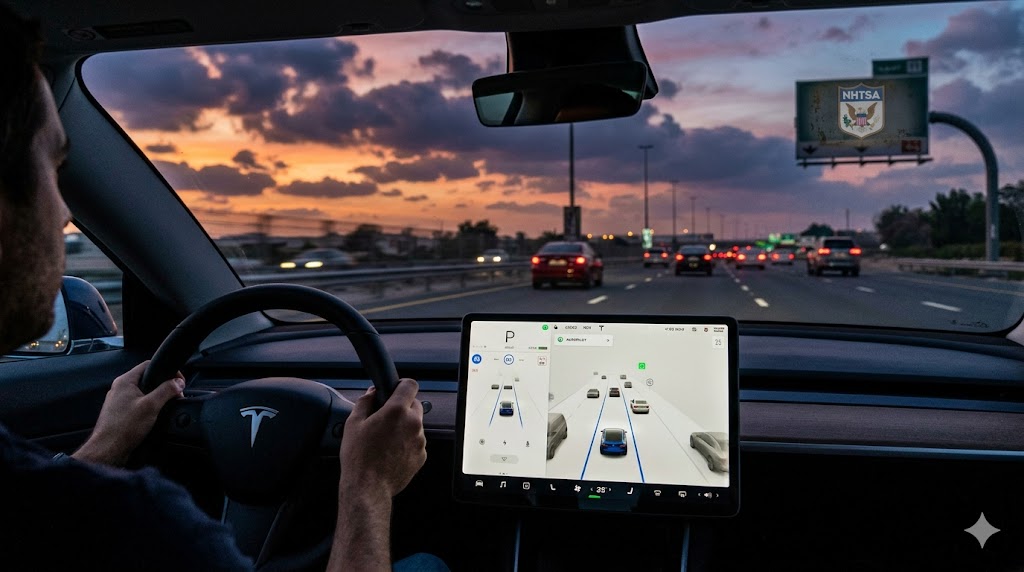
Walk into a typical Tesla showroom and you'll notice something missing: there's no negotiation counter, no finance manager waiting to walk you through add-on packages, and no sense that the price on the screen is merely a starting bid. That absence is the point. For nearly a century, buying a new car in the United States has meant buying it from an independently owned, state-licensed dealership standing between you and the manufacturer. Direct-sale EV brands have quietly rewritten that arrangement, and the ripples are now reaching well beyond the companies that started it.
The disruption isn't really about electric powertrains. It's about distribution. And once you see it that way, it becomes clear why franchised dealers have fought so hard to contain it.
The Franchise System Wasn't Built for This
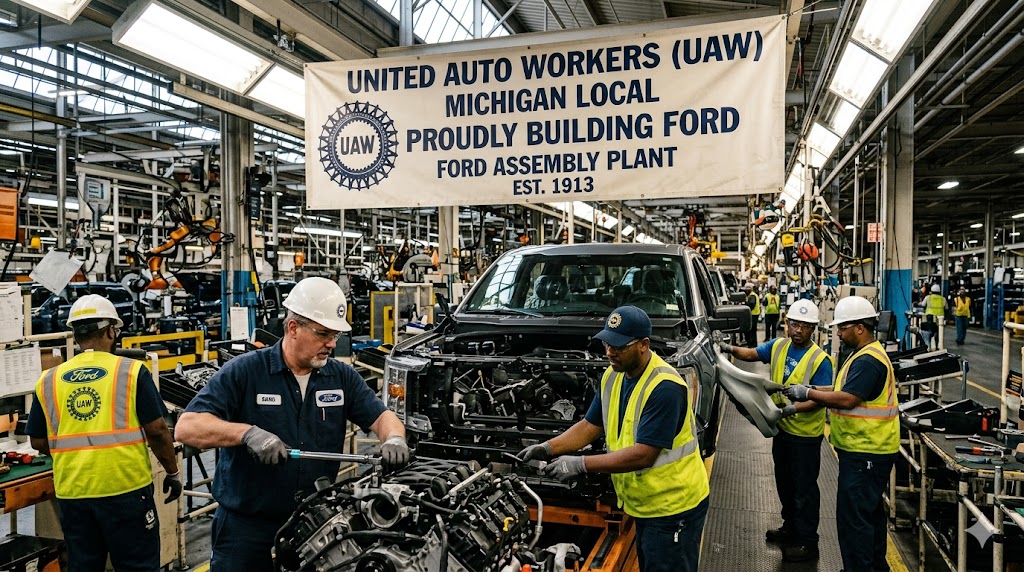
The traditional US auto retail model exists because of laws passed decades ago, largely at the urging of dealer associations, that require manufacturers to sell new vehicles through independently owned franchises rather than directly to the public. The logic at the time made sense: automakers wanted a fast way to build nationwide sales and service coverage without owning thousands of storefronts, and lawmakers wanted local, accountable businesses that could offer warranty repairs and stand behind vehicles sold in their communities. Dealers, in turn, invested heavily in real estate, service bays, and inventory, and in exchange they got contractual protection from manufacturers opening competing stores nearby or selling around them.
That system produces genuine competition on price. Because multiple dealers in a region can carry the same brand, they compete against each other for your business, which is part of why haggling became such a defining, if often unpleasant, feature of American car buying.
Tesla arrived without a legacy dealer network to protect and made a deliberate choice not to build one. Instead, it sells directly to consumers through company-owned stores and online configurators, with fixed, published pricing and no dealer intermediary. Several newer EV entrants have adopted similar direct or "agency" models, where a retailer may host the vehicle and handle logistics but the manufacturer sets the price and owns the transaction. The appeal to these companies is straightforward: control over pricing, control over the customer experience, and no need to convince independent business owners to invest capital in a new and unproven brand.
Why Skipping the Middleman Feels Disruptive
The disruption shows up most obviously in how you shop. With a direct-sale brand, the price you see online is generally the price you pay, with no back-and-forth over dealer markups, no add-on packages slipped onto the window sticker, and no need to visit multiple stores to find the best deal on the same trim. For buyers exhausted by the traditional negotiation ritual, that transparency is a relief, and it's a major reason direct-sale brands built such devoted early customer bases.
But transparency cuts both ways. In a franchised system, competition between dealers can push prices below sticker, especially near the end of a model year or when inventory is high. A fixed, no-haggle price eliminates the stress of negotiating, but it also eliminates the possibility of talking your way to a better deal. You're trading a chance at savings for certainty and simplicity. Whether that's a good trade depends entirely on how much you value your time versus how skilled a negotiator you are, and it's a genuinely personal calculation rather than an obvious win for either side.
The other disruptive element is inventory logic. Dealers traditionally carry lots full of vehicles they've already purchased from the manufacturer, which gives you the option to drive one home the same day. Direct-sale brands have leaned more heavily on build-to-order and reservation systems, meaning your specific configuration might be built after you order it rather than pulled from a lot. That can mean a longer wait, but it also means less pressure to accept whatever happens to be sitting on the pavement in a color you didn't want.
Franchise Laws and the Dealer Lobby's Pushback
Because direct sales bypass the very structure that franchise laws were written to protect, they've run into legal friction in numerous states. A number of states restrict or outright prohibit automakers from selling vehicles directly to consumers, typically carving out exceptions or requiring separate licensing structures for brands that never had a franchised network to begin with. The specifics vary considerably by state and change periodically as legislatures revisit the rules, so if you're shopping for a direct-sale brand, it's worth checking current regulations in your state rather than assuming the model you've read about nationally applies where you live.
State dealer associations have been consistent and organized opponents of expanding direct-sale rights, and it's easy to understand the self-interest at work, but their public arguments are usually framed around consumer protection: independent dealers, they argue, provide local accountability, competitive pricing pressure, and service infrastructure that a manufacturer-controlled network might not prioritize once the novelty of a new brand fades. Direct-sale advocates counter that franchise laws were never really about protecting consumers at all, but about protecting dealers from competition, and that a company should be free to choose how it distributes its own product. Both arguments contain some truth, and the ongoing legislative and legal fights in various states reflect a real, unresolved tension rather than a settled question with an obvious right answer.
Service and Ownership: The Part Direct Sales Hasn't Fully Solved
Buying a car is a single transaction; owning one is a years-long relationship, and this is where the direct-sale model faces its most legitimate criticism. A dense franchised dealer network means that wherever you live, there's likely a service bay within a reasonable drive, staffed by technicians familiar with your brand, backed by a local business with a reputation to protect in the community. Direct-sale EV brands generally operate fewer service locations, often concentrated in and around major metro areas, which can mean longer drives or longer wait times for anything beyond routine maintenance, particularly if you live somewhere rural or far from a metro hub.
Some direct-sale brands have tried to offset this with mobile service units, over-the-air software updates that resolve certain issues without a shop visit at all, and simplified electric drivetrains that need less routine maintenance than a traditional combustion vehicle. Those are real advantages, and they narrow the gap. But they don't fully replace the redundancy and geographic density that decades of franchised dealer buildout have produced. If you're considering a direct-sale EV, it's worth researching the realistic service footprint near you before you buy, not just the sales experience, because the two parts of ownership are no longer bundled under the same local business.
How Legacy Automakers Are Responding
The established automakers aren't standing still, and their response reveals how seriously they take the threat. Rather than abandoning franchised dealers, which remain protected by law and represent enormous sunk investment and political influence, many legacy brands have pushed their existing dealer networks toward agency-style arrangements for at least some EV models: fixed pricing set by the manufacturer, with the dealer acting more like a fulfillment and service partner than an independent negotiator. This is a hybrid approach, an attempt to capture the pricing transparency and customer-experience benefits that made direct-sale brands appealing without triggering the legal and political fights that come with cutting dealers out entirely.
It's a delicate balancing act. Dealers who have spent decades building businesses around commission and negotiation margins aren't uniformly enthusiastic about being converted into fixed-price order-takers, and some manufacturers have faced friction from within their own networks over these shifts. At the same time, automakers know that younger, EV-curious buyers increasingly expect the kind of transparent, low-friction purchase experience that direct-sale brands popularized, and losing those customers to a competitor's showroom, virtual or physical, is a real business risk.
Key Takeaways
- Direct-sale EV brands bypass the franchised dealer system entirely, giving manufacturers full control over pricing and the buying experience.
- Fixed, transparent pricing eliminates haggling but also removes the price competition that franchised dealer networks can generate.
- Franchise laws in many states restrict or complicate direct manufacturer sales, and dealer associations continue to push back through legislation and litigation.
- Service and ownership support remains a real trade-off, since direct-sale brands typically operate fewer physical service locations than dense legacy dealer networks.
- Legacy automakers are responding with hybrid, agency-style pricing models that try to capture direct-sale transparency without eliminating their dealer networks.
- Bottom line: direct sales offer real advantages in transparency and simplicity, but check your state's rules and the local service footprint before assuming the model fits your situation as well as it fit an early Tesla buyer's.