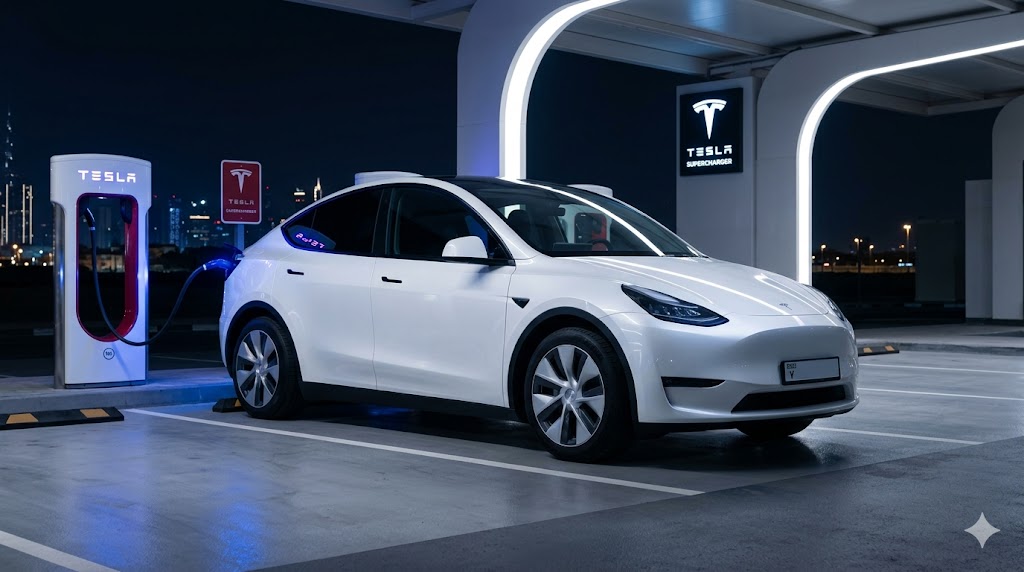
If you've been shopping for a used electric vehicle and heard someone mention a $7,500 tax credit, it's worth stopping right there, because that number almost certainly belongs to a different program than the one you're thinking of. The $7,500 figure has historically been associated with the federal credit for new electric vehicles, not used ones. The used EV federal credit, when it has existed, has historically been structured very differently, with a smaller maximum amount and its own separate set of rules around price, income, and how the credit gets applied. Conflating the two is an easy mistake, and it's exactly the kind of mistake that can lead a buyer to walk into a dealership expecting a discount that doesn't apply to the used vehicle in front of them.
This matters more now than it might have a few years ago, because federal EV incentive rules have been anything but stable. Congress has adjusted eligibility rules, income and price caps, and sourcing requirements multiple times since these credits were first introduced, and legislation passed in 2025 significantly changed the landscape for EV tax credits, including provisions that phased out or eliminated certain credits after September 2025. Whatever you read about used EV credits, including in this article, needs to be checked against the current rule set at the moment you're actually buying, because the program you researched last year may not be the program that exists today.
Untangling the New-EV Credit From the Used-EV Credit
The two credits have never been the same program wearing different labels. The credit associated with new EV purchases has generally carried a larger maximum value, and it has come with its own set of manufacturing, battery-sourcing, and assembly-location requirements that determine whether a specific new model qualifies at all. The used EV credit, on the other hand, has generally been capped at a lower maximum dollar amount, often expressed as a percentage of the vehicle's sale price up to a ceiling, rather than a flat amount available regardless of how cheap the car is. That structural difference alone means a used EV credit was never going to consistently deliver a full $7,500 to a buyer, even in years when a form of the credit was active.
Because sourcing rules, income limits, and price caps have all shifted over time, and because the entire framework for these credits was altered by 2025 legislation, this article isn't going to state a specific current dollar figure, income threshold, or vehicle price limit as fact. Any number printed here risks being wrong by the time you read it, and getting this wrong isn't a small inconvenience, it can mean the difference between a deal that pencils out and one that doesn't. What's more useful is understanding the shape these programs typically take, so you know what questions to ask and what to verify before you assume anything about a specific used EV purchase.
The General Shape of How These Credits Tend to Work
Programs like the used EV credit have typically been built around a recognizable set of design choices, even as the specific numbers attached to them have changed. There's usually a distinction between claiming the credit at tax time, where you file for it the following year and it reduces what you owe, versus a point-of-sale transfer, where a participating dealer applies the credit as an immediate reduction in the purchase price at the time of sale. When a point-of-sale option has existed, it has generally required the dealer to be registered with the relevant federal system, and not every dealer participates, so this isn't something you can assume is available everywhere.
Income limits have been a consistent feature of the used EV credit's design, typically based on the buyer's adjusted gross income and often allowing you to qualify using either the current year's income or the prior year's, whichever is more favorable, though the exact thresholds have varied. Vehicle price caps have also been a standard feature, meaning a used EV above a certain sale price has typically been ineligible regardless of how much someone might want it to qualify. Age and mileage-related rules have generally applied too, often requiring the vehicle to be a model year at least two years older than the year of purchase, and it must typically be purchased from a licensed dealer rather than in a private-party sale.
There are also buyer-eligibility rules that go beyond income. The used EV credit has generally been intended for individual buyers using the vehicle for personal use, not for a business purchasing a fleet vehicle, and there's usually a limit on how many times a credit can be claimed by the same person within a given period. Perhaps most important, each vehicle has generally only been eligible for the credit once in its lifetime as a used vehicle, meaning if a previous owner already claimed the credit on that specific car, the next used buyer typically cannot claim it again on the same vehicle. That per-vehicle, one-time-transfer structure is one of the more consistent features across versions of this credit, and it's a detail that's easy to overlook when you're focused on the sale price.
Why You Can't Trust a Number You Read Somewhere Else
The single biggest risk in this space isn't misunderstanding the rules, it's relying on outdated information that used to be accurate and no longer is. Because the 2025 legislative changes reportedly phased out or eliminated EV tax credits after September 2025, an article, forum post, or even a dealership's marketing material written before that point may describe a program that no longer exists in the form described, or that has ended entirely. Dealers themselves aren't always a reliable source here either, not because they're being dishonest, but because sales staff don't always stay current on tax law, and the incentive landscape has shifted enough times that even well-meaning advice can be stale.
If you're seriously considering a used EV purchase with an eye toward a possible tax credit, the only responsible move is to check directly with the IRS and fueleconomy.gov, both of which are maintained as official government sources for current EV incentive rules, immediately before you buy, not weeks or months in advance. These sources will reflect whatever the law actually says at that moment, including whether any version of the used EV credit is currently active at all, what the income and price limits are, and which specific vehicles and sale structures qualify. A qualified tax professional can also help you understand how a credit, if one applies, interacts with your specific tax situation, which is particularly relevant given the income-based eligibility rules these programs have typically used.
What This Means for Your Used EV Shopping Decision
None of this should scare you away from considering a used EV. The vehicles themselves, from a Chevrolet Bolt to a used Tesla Model 3 to a used Nissan Leaf, can be excellent value on their own merits, with lower purchase prices than new EVs and, in many cases, most of their battery life still ahead of them. The point isn't that used EVs are a bad idea without a tax credit. It's that you shouldn't build your budget or your decision to buy around a specific credit amount until you've confirmed, through an official source, that the credit exists in its current form, that the specific vehicle and dealer qualify, and that your income and the vehicle's price fall within whatever limits currently apply. Treat any tax credit as a possible bonus you verify last, not a guaranteed discount you bake into your offer first.
This article is intended as general information to help you understand how programs like this are typically structured, not as tax or legal advice, and it should not be relied upon as a statement of current law. Federal EV incentive programs have changed significantly over time and may have been further modified or eliminated by the time you're reading this, so your first step before making any purchase decision should be confirming the current rules directly with the IRS, fueleconomy.gov, or a qualified tax professional.
Key Takeaways
- The $7,500 figure is historically tied to the new EV federal credit, not the used EV credit, which has generally been smaller and tied to a percentage of sale price.
- Used EV credit programs have typically included income limits, vehicle price caps, dealer and vehicle-age requirements, and a rule allowing each vehicle to receive the credit only once.
- Federal EV tax credit rules changed substantially through 2025 legislation, including reported phase-outs after September 2025, so older information may no longer apply.
- Point-of-sale credits, when available, require a registered participating dealer, which not every dealership is.
- Always verify current eligibility directly through the IRS and fueleconomy.gov, or with a tax professional, immediately before purchase rather than relying on secondhand information.
- Bottom line: shop a used EV on its own merits and confirm any tax credit last, since this is general information only, not tax or legal advice, and program details may have changed or ended.