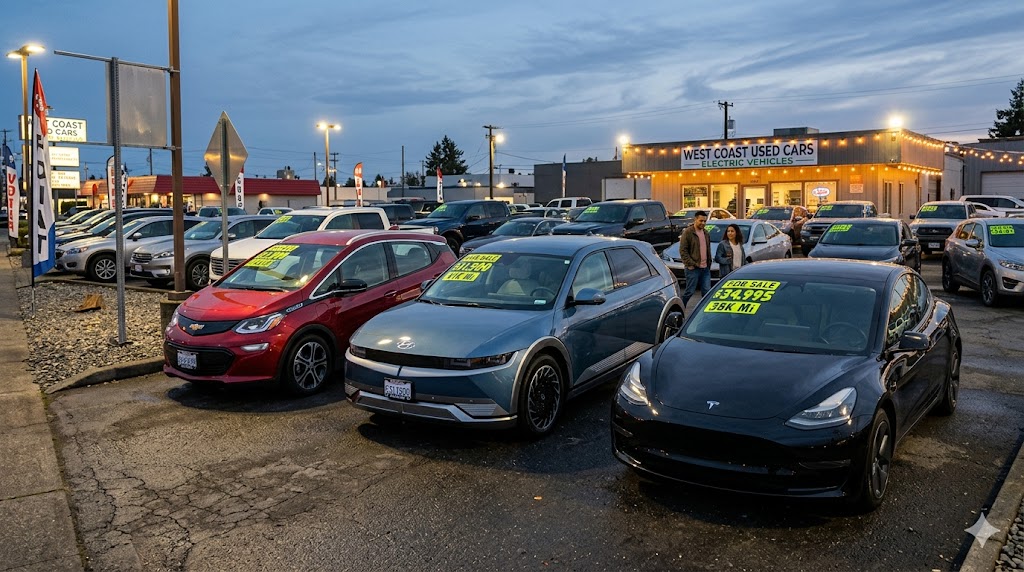

The used EV market in 2026 offers value opportunities that weren't available during the supply-constrained period when EV prices - new and used - were elevated. Price normalization has brought certain used EV models to price points that make the efficiency economics genuinely compelling when calculated over a realistic ownership period.
The opportunity is real, but it requires specific evaluation that used ICE vehicle purchases don't. Battery health is the variable that most significantly affects used EV value, and it's the variable that requires the most deliberate assessment process. A used EV with 15% battery degradation has 15% less range than when new - a consequence that is permanent and progressive, not one that goes away with maintenance.
The good news is that battery degradation evaluation is accessible. The methods range from free to inexpensive and produce usable data that meaningfully reduces purchase risk.
The most reliable evaluation method is a State of Health (SOH) check, available through the vehicle's own diagnostic system on most EVs or through OBD-II diagnostic tools that can query battery management systems. A healthy battery after 50,000-80,000 miles should show SOH at 85-90% or better for well-designed thermal management systems. Values below 80% represent meaningful range loss worth factoring into the purchase price negotiation.
For Tesla vehicles, the battery screen in the vehicle shows current range and allows comparison against the original range rating. Third-party apps including Recurrent Auto provide fleet-level degradation data by model, year, and mileage that provides useful context for what to expect from a specific vehicle's age and mileage profile.
The models that represent the strongest used EV value in 2026 are the vehicles whose prices have corrected most from pandemic-era peaks while retaining strong battery health profiles in the mileage ranges most common in the used market. The Chevrolet Bolt EV, which had significant new vehicle price cuts and whose used prices have followed, offers the lowest cost of entry for functional EV ownership in the used market. Tesla Model 3 and Model Y vehicles from 2020-2022 represent the volume of the used EV market and are available at prices that provide meaningful discounts over current new pricing.
Summary
What it is: A practical guide to buying a used electric vehicle in 2026 - battery health evaluation, model selection, and the value opportunities in the current market.
Best for: Buyers interested in EV ownership at a lower price point than new EVs offer, who want to evaluate battery health risks properly before purchase.
Biggest cost/risk factor: Purchasing without evaluating battery State of Health - degraded batteries reduce range permanently and can affect resale value significantly.
When to act: The current price normalization makes 2026 a better time to buy used EVs than 2021-2023. Evaluate battery health before committing.
AutosAdvisor is not a licensed dealer or EV technician. This guide is educational. Battery health assessment methodology varies by vehicle.