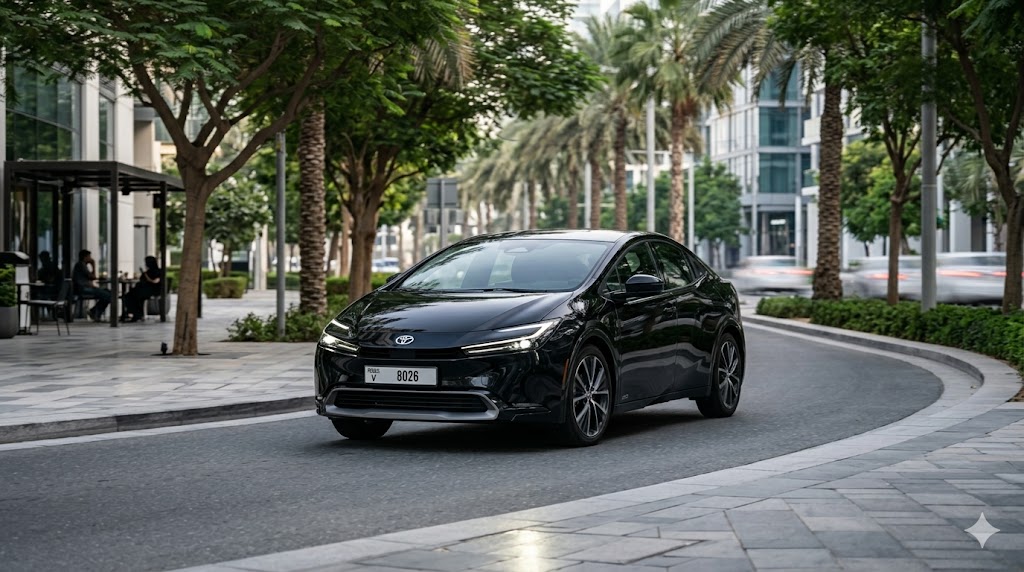

The 2026 Toyota Prius enters the market carrying the weight of three decades of hybrid development and the expectations that come with being the car most directly associated with automotive efficiency in the American consciousness. It also enters carrying revisions that address the two specific criticisms that prevented some buyers from choosing the otherwise well-received current generation: rear visibility and infotainment responsiveness.
The powertrain is unchanged, which is the correct decision. The 2.0-liter TNGA hybrid system paired with front- or all-wheel-drive configurations achieves 57 MPG combined in the FWD configuration and 52 MPG combined with AWD-e. These numbers are not incremental improvements over competition - they represent a category of efficiency that no other hybrid in the mainstream segment approaches. The Camry Hybrid achieves 52 MPG combined. The Ioniq 6 EV achieves the equivalent of 140 MPGe. The Prius sits in a specific position between these categories that it has occupied since 2004.
The revised rear window geometry is the most visible 2026 change. Toyota has adjusted the C-pillar treatment and the rear quarter glass shape to expand the rearward visibility that the dramatic roofline of the current generation compromised relative to the previous generation Prius. The change works as intended - the view through the rear window in the 2026 is meaningfully better than in the current generation without compromising the exterior design.
The infotainment hardware update is the more consequential change for daily use. The previous generation's software response latency was a consistent complaint from owners accustomed to the immediate feedback of smartphone interfaces. The 2026 update addresses this through a hardware processor upgrade rather than software optimization alone, and the result is a system that responds with the speed that modern buyers expect from any touchscreen interface.
The interior quality throughout remains excellent. Toyota's current-generation Prius interior represents a design maturity that the nameplate's earlier generations didn't achieve - materials, lighting, and layout that create an interior environment that doesn't feel like a compromise for the efficiency engineering underneath it.
The Prius Prime, the plug-in variant that adds 44 miles of electric range, continues alongside the standard hybrid. For buyers with home charging access and daily commutes within the electric range, the Prime's total cost of ownership frequently favors it over the standard Prius despite the higher purchase price.
At its price point, the 2026 Prius competes against the Honda Insight (if still available in your market), the Hyundai Elantra Hybrid, and the Toyota Corolla Hybrid. The Corolla Hybrid is the most direct internal competitor and offers a smaller, more affordable package for buyers who don't need the Prius's interior space. For buyers who want the Prius's specific combination of space, efficiency, and refinement, the case remains compelling.
Summary
What it is: The 2026 Toyota Prius, a fifth-generation hybrid sedan achieving 57 MPG combined in FWD configuration, with updated rear visibility and infotainment hardware addressing current-generation criticisms.
Best for: Buyers who prioritize fuel efficiency above all other performance criteria and want the most proven, reliable hybrid drivetrain available at this price point.
Biggest cost/risk factor: The Prius Prime's plug-in premium requires home charging access to justify the cost difference - buyers without it are better served by the standard hybrid.
When to act: The 2026 updates address the current generation's specific weaknesses - buyers who were deterred by visibility or infotainment should reconsider.
AutosAdvisor is not a licensed dealer. Review reflects editorial testing and assessment.