
Toyota's 2025 hybrid sales figures exceeded any previous annual record by a margin that, a few years ago, would have seemed implausible given the level of industry commentary suggesting that hybrids were a transitional technology that pure EVs would render obsolete ahead of schedule. The numbers instead validate a strategic position that Toyota maintained through significant pressure to accelerate its pure EV transition at the pace other manufacturers were pursuing.
Understanding what Toyota's hybrid sales record means requires separating the things it conclusively demonstrates from the things it doesn't.
What the record demonstrates: buyer demand for efficient powertrains that don't require charging infrastructure changes is substantial and durable. The buyers who purchased Toyota hybrids in 2025 are not categorically opposed to EVs - many would consider an EV if charging logistics worked for their situation. What they chose instead reflects a genuine preference for a technology that delivers efficiency without the operational changes that EV adoption requires for buyers without home charging access or for buyers whose driving patterns include frequent long distances.
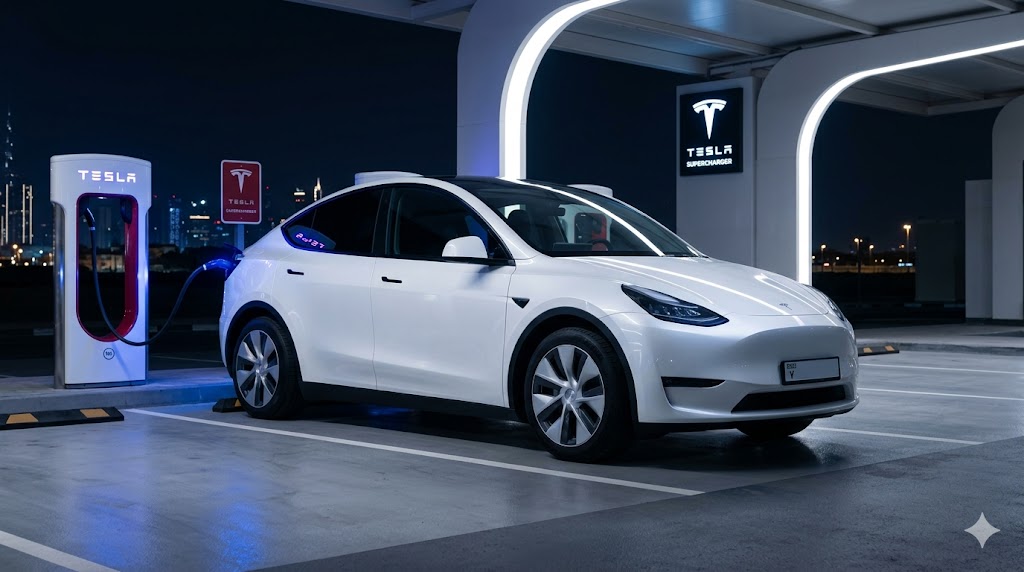
What the record doesn't demonstrate: that EVs are failing or that the EV transition has reversed. EV sales also reached records in 2025, growing from a smaller base at a rate that represents genuine market development. The two facts coexist: hybrid demand is strong, EV adoption is growing. The framing of these as competing narratives misrepresents what's happening - the market is electrifying across multiple pathways simultaneously.
Toyota's strategy of maintaining and expanding hybrid investment while developing EV technology at a pace calibrated to actual market demand has produced a financial outcome that validates the approach on its own terms. The company's profitability has been strong, its market share in the efficiency-focused segments it targets has grown, and its manufacturing investment has matched actual demand rather than speculative projections.
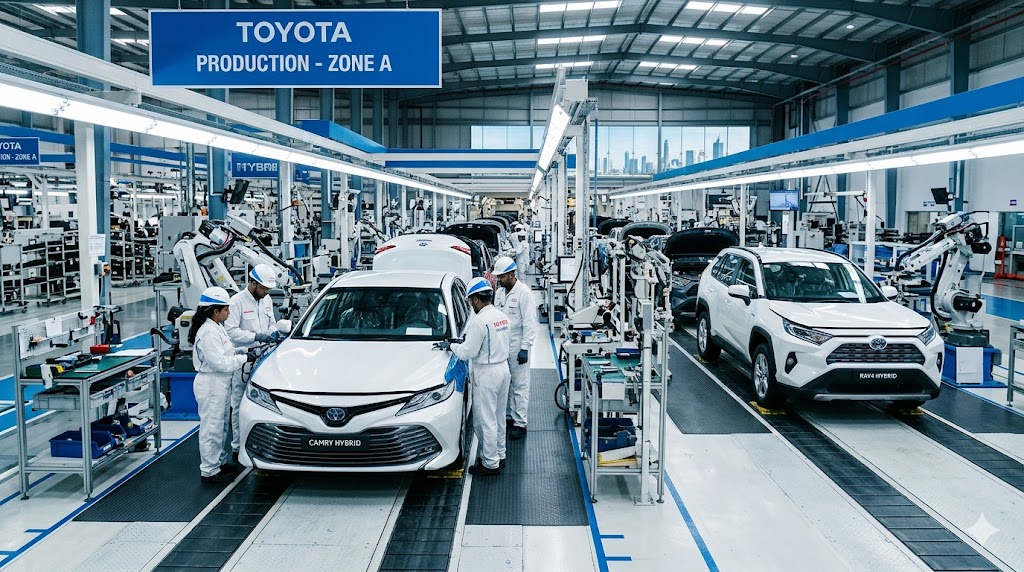
The specific vehicles driving Toyota's hybrid record are largely the models that have consistently dominated their respective segments: the RAV4 Hybrid, the Camry Hybrid, the Highlander Hybrid, and the expanding Lexus hybrid lineup. These vehicles win in their segments on the combination of efficiency, reliability, and total cost of ownership that Toyota's hybrid development experience - now spanning nearly three decades since the original Prius - has optimized.
Summary
What it is: An analysis of Toyota's record hybrid sales in 2025 and what the achievement reveals about market dynamics, consumer behavior, and Toyota's strategic positioning.
Best for: Buyers and industry observers who want context for understanding the hybrid versus EV market debate beyond the simplified narratives.
Biggest cost/risk factor: For buyers - neither hybrid nor EV is universally correct; the right choice depends on individual charging access and driving patterns.
When to act: The hybrid market is competitive and inventory is normalizing - buyers should compare current incentives across the hybrid segment before settling on a specific model.
AutosAdvisor is not affiliated with Toyota or any manufacturer. This content is analytical and editorial.