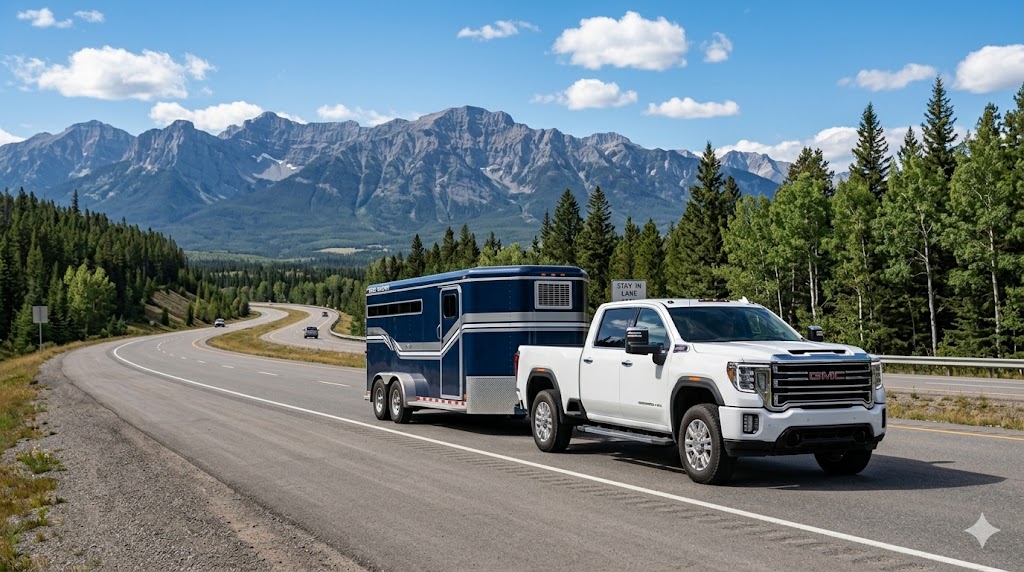

Towing capacity numbers in manufacturer specifications serve a marketing purpose as much as an engineering one. The maximum towing capacity figure - the number that appears prominently in truck advertisements and on window stickers - represents the optimum achievable under ideal conditions with specific configurations that may not match how the buyer is configuring or using the vehicle. Understanding what the number means, what it doesn't mean, and how to calculate what actually applies to your configuration is more useful than comparing maximum numbers across manufacturers.
The maximum towing capacity for any given truck is achieved in a specific configuration: typically with the base engine, base cab, two-wheel drive, and without specific equipment packages that add weight and may reduce the remaining payload or towing capacity. A truck advertised with a 14,000-pound maximum towing capacity may achieve that number in crew cab configuration with the largest engine and four-wheel drive with a lower capacity - sometimes significantly lower.
The window sticker and the manufacturer's detailed towing guide (available separately from most manufacturers' websites or through dealer resources) provide configuration-specific data. Looking up your specific build - cab size, engine, drivetrain, equipment packages - gives the actual towing capacity that applies to that vehicle as configured. This number is the correct starting point, not the maximum that headline marketing uses.
Gross Combined Weight Rating (GCWR) is the most operationally relevant specification for towing. GCWR is the maximum allowable combined weight of the tow vehicle, its passengers and cargo, and the trailer and its load. Staying within GCWR is not optional - exceeding it affects braking performance, transmission cooling, and structural safety in ways that are cumulative and not always immediately apparent.
The Tongue Weight Limit is the specification most frequently ignored and most immediately consequential. Tongue weight - the downward force the trailer exerts on the hitch ball - should typically be 10-15% of the trailer's total weight. Too little tongue weight causes trailer sway; too much exceeds the hitch and rear suspension's design limits. A weight-distributing hitch is required for trailers above the tongue weight limit and recommended for trailers approaching it.
Summary
What it is: A practical guide to understanding towing capacity specifications - what the numbers mean, how to find the figures that apply to your specific configuration, and the safety margins that matter.
Best for: Truck and SUV buyers who want to evaluate their towing needs accurately before purchase and owners who want to confirm their current vehicle's capability for a specific towing task.
Biggest cost/risk factor: Using maximum advertised towing capacity rather than configuration-specific capacity in purchase planning; ignoring tongue weight limits in towing operations.
When to act: Before purchasing a tow vehicle based on its advertised capacity - verify the configuration-specific figure for how you'll actually set up the truck.
AutosAdvisor is not a licensed vehicle engineer. Towing capacity figures vary by configuration. Always consult manufacturer documentation for your specific vehicle and consult a professional if safety questions arise.