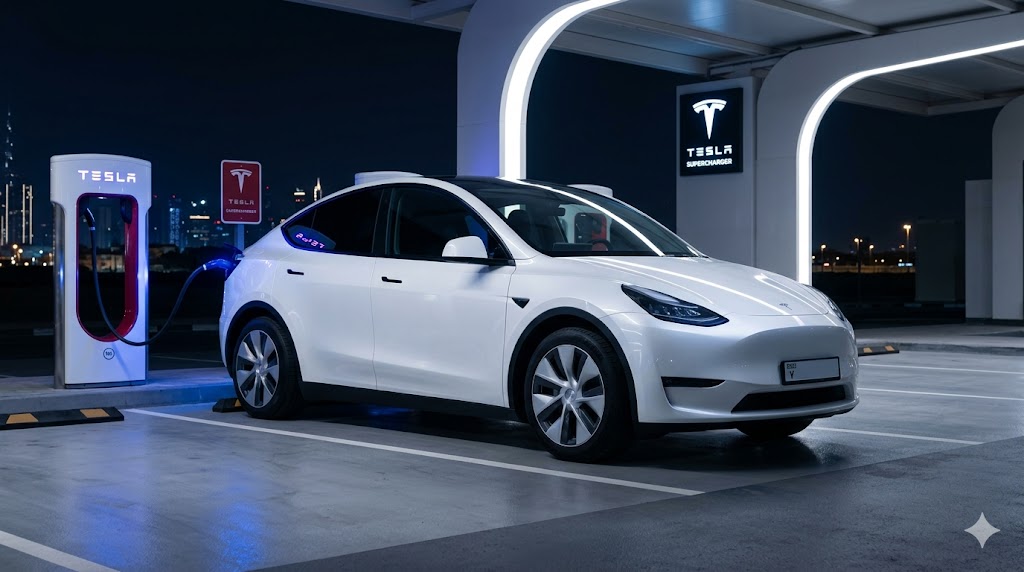
Leasing a gas-powered sedan and leasing an electric one are not the same decision wearing different badges. With a gas car, the lease-vs-buy debate mostly comes down to how much you drive, how you feel about monthly payments versus equity, and whether you like driving something new every few years. With an EV, you're also betting on battery chemistry that's still improving, a resale market that hasn't matured enough to price used electric cars with any confidence, and a federal incentive system that has repeatedly changed who qualifies and how. That combination means the calculus genuinely is different this time, and treating an EV lease decision like a gas-car lease decision will lead you to the wrong answer more often than not.
Why EVs Break the Usual Lease-vs-Buy Rules
The traditional advice on leasing versus buying assumes a fairly predictable curve: a car depreciates at a known rate, its core technology stays roughly stable for a decade, and incentives (if any) are simple rebates anyone can claim. None of those assumptions hold cleanly for electric vehicles right now. Battery range, charging speed, and onboard software are advancing quickly enough that a three-year-old EV can feel meaningfully behind a new one in ways a three-year-old gas car rarely does. An engine from a few years ago is still just an engine; a battery and charging stack from a few years ago might mean slower charging curves, shorter real-world range, and infotainment that already looks dated next to what a dealership is showing this year.
That pace of change is precisely why leasing has appealed to a lot of EV shoppers: it lets you treat the vehicle like a subscription to current technology rather than a decade-long commitment to whatever the state of the art happened to be the year you signed. When the lease ends, you hand back a vehicle whose battery degradation, software obsolescence, and resale value are somebody else's problem, and you walk into the next generation of range and charging speed without having to sell a used EV into an uncertain market first. That transfer of risk, more than the monthly payment itself, is the real product a lease is selling you in this category.
The Tax Credit Angle Nobody Should Guess About
A major reason leasing gained ground with EV shoppers is that credit structures have, at various points, made it easier for a leased vehicle to qualify for incentive value than a purchased one, because the credit in a lease scenario is often routed through the leasing company rather than applied directly on the buyer's tax return. This "commercial" or lease pass-through path has, in the past, sidestepped restrictions tied to a buyer's income, the vehicle's price cap, or where the vehicle and its battery components were assembled and sourced — restrictions that applied more strictly to buyers financing or paying cash. In practice, that meant some people who wouldn't have qualified for an incentive on a purchase could still see its value reflected in a lower lease payment.
Here's the catch: none of that is guaranteed to work the same way it did last year, or the way it will next year. Incentive programs get amended, phased out, or restructured with little warning, and even when a credit path technically exists, whether a specific automaker or leasing company passes the value through to you as the customer is entirely up to them — it isn't automatic, and it isn't uniform across brands. Some lenders build the credit into the advertised lease payment; others treat it as a cap cost reduction only if you ask; and some manufacturers price it into promotional rates only on specific trims. Before you assume a lease will unlock an incentive a purchase wouldn't, or before you assume a purchase still qualifies you directly, verify current rules with the dealer's finance office and ideally a tax professional. Don't sign paperwork based on what a credit used to do.
Depreciation and the Risk of Getting Stuck With Old Technology
Depreciation is the other half of why buying an EV carries a different risk profile than buying a gas car. Used EV values have been volatile, partly because new EV prices themselves have moved around as automakers adjust for competition and incentive changes, and partly because buyers of used electric cars are understandably nervous about battery health in a vehicle they didn't buy new. A used gas car's engine condition is a known quantity that mechanics can assess in familiar ways; a used EV's battery degradation is less visible, harder to independently verify, and weighs more heavily on what a buyer is willing to pay. That uncertainty tends to compress used EV values in ways that are hard to predict at the moment you're signing a purchase agreement on a new one.
Leasing sidesteps this entirely because you never own the depreciation curve — the leasing company absorbs whatever the vehicle is worth (or isn't worth) at turn-in, and that's baked into the residual value they set at signing rather than something you discover later. If you buy and the market for used EVs remains soft, or if a wave of range and charging improvements makes your model look outdated sooner than expected, you're the one holding an asset that's worth less than you might have hoped when you eventually want to sell or trade it in. That's not a hypothetical unique to any one brand; it's a structural feature of a product category whose underlying technology is still moving fast.
When Buying Actually Makes More Sense
None of this means leasing is the obviously correct choice, and treating it as a default would be its own mistake. The math tilts back toward buying for a few concrete kinds of drivers. If you regularly rack up long road trips or a high daily commute, lease mileage caps can become an expensive constraint — every lease agreement sets a mileage limit, and overage charges add up fast for drivers who exceed it by a wide margin, so buying (or leasing a much higher-mileage package if one is available) may cost less than paying penalties year after year. If you plan to keep a vehicle for a long time, buying lets you fully amortize the higher upfront price of an EV against years of lower fuel and maintenance costs, a payoff that a two- or three-year lease term simply doesn't give you enough runway to capture.
Home charging is the other variable that pushes toward ownership. Installing a Level 2 charger, and in some cases upgrading your electrical panel, is a real upfront investment that only pays for itself over years of use. If you're leasing a new EV every few years anyway, that infrastructure keeps working across vehicles, but if you're the type of buyer weighing whether the investment is worth it at all, the answer looks a lot better when it's amortized against a car you intend to own for the long haul rather than one you'll return in thirty-six months. Buyers who want to maximize an EV's genuinely low running costs — cheap electricity relative to gasoline, fewer moving parts, less routine maintenance — need years of ownership to actually realize those savings, and a lease cycle that ends every few years resets the clock before the savings fully compound.
Making the Call for Your Situation
There's no universal winner here, and anyone telling you there is hasn't accounted for how differently these variables apply to different drivers. A shopper who drives a modest number of miles, likes upgrading to newer tech on a predictable cycle, and wants incentive value without worrying about qualification rules has a strong case for leasing. A shopper who drives a lot, wants to own the vehicle for a decade, and has already sunk cost into home charging has a strong case for buying, even with the depreciation uncertainty. This is general information to help you frame the decision, not financial or tax advice specific to your situation, so run your actual numbers, get current incentive details in writing from a dealer, and talk to a tax professional before you commit either way.
If you take one framework away from all of this, let it be that an EV lease is really a bet on staying current and transferring risk, while an EV purchase is a bet on your own usage pattern and patience. Match the bet to how you actually drive and how long you actually plan to keep the car, and the decision gets a lot less complicated than the acronyms and incentive rules make it look.
Key Takeaways
EVs complicate the lease-vs-buy decision more than gas cars do because battery technology, range, and charging speed are still improving quickly year over year. Leasing transfers battery degradation and resale-value risk to the automaker or lender instead of leaving it on your balance sheet. Lease structures have sometimes made incentive value easier to access regardless of income or sourcing rules, but these rules change often and must be verified with a dealer or tax professional before you assume they apply. Used EV values remain volatile, which makes buying riskier for anyone who might need to sell or trade in in a few years. High-mileage drivers, long-term owners, and anyone amortizing a home charging investment are often better off buying despite the depreciation risk. Bottom line: lease if you value flexibility and current technology; buy if you drive a lot, plan to keep the car for years, and want to fully capture an EV's low running costs.