You're merging onto the highway when the steering suddenly stiffens, the dash lights up like a pinball machine, and a high-pitched shriek gives way to silence under the hood. No sputtering. No gradual power loss. No check-engine light that's been nagging you for weeks. One second everything works, and the next your power steering, alternator, and water pump have simultaneously gone offline — because a single rubber loop, maybe three-eighths of an inch thick, let go.
That's the defining trait of the serpentine belt: it doesn't ease into failure the way a worn brake pad or a dying battery does. It runs at full capacity right up until the moment it doesn't, and then it takes several critical systems down with it at once. Understanding why this component behaves so differently from nearly everything else on your vehicle changes how you should think about inspecting it.
Why This Belt Doesn't Play by the Usual Rules
Most wear items give you a negotiation period. Brakes squeal before they grind. Tires show wear bars before they blow. Batteries crank slower and slower before they finally won't turn the engine over at all. Your brain and your dashboard both get a chance to intervene before the situation becomes urgent.
The serpentine belt skips that negotiation. It's a continuous loop of reinforced rubber under constant tension, wrapped around half a dozen pulleys — the alternator, power steering pump, water pump, air conditioning compressor, and the crankshaft itself — all spinning at different speeds and putting the belt through constant flexing, heating, and cooling cycles. Modern belts, built from ethylene propylene diene monomer (EPDM) compounds, are engineered to resist cracking far longer than the older neoprene belts of decades past. That durability is a genuine improvement, but it comes with a side effect: EPDM belts tend to wear from the inside out, losing rib depth and material integrity in ways that are far less visible on the surface than the cracking pattern older belts used to display. A belt can look smooth and intact while it's actually thinned, glazed, or delaminating internally, right up until the moment it separates or a chunk of a rib tears away.
There's also the matter of tensioner dependency. The automatic tensioner that keeps the belt taut is a spring-loaded arm with its own bearing, and when that bearing wears out or the spring loses tension, the belt can start slipping or jumping without necessarily showing much wear itself. In other words, the belt's failure clock isn't just about the rubber — it's tied to a support system that fails just as quietly.
The Warning Signs That Do Exist (If You Know Where to Look)
Calling this a part that fails "without warning" doesn't mean there's truly zero signal — it means the signals are subtle, intermittent, and easy to write off as something else. A faint squeal on cold startup that disappears after thirty seconds is often dismissed as normal engine warm-up noise, but it can indicate a belt that's glazed or slightly loose. A brief chirp when you turn the steering wheel sharply, especially at low speed, often gets blamed on the power steering fluid rather than the belt slipping on its pulley. Occasional flickers of the battery light on the dash, especially under load with the AC and headlights running, can indicate the alternator is momentarily losing consistent drive from a belt that's beginning to slip.
The problem is these symptoms are occasional and easy to normalize. Drivers hear the noise a few times, it goes away, and they stop paying attention. That's precisely the trap: intermittent slipping today can become total separation next week, and there's rarely a clean escalation pattern you can count on to give you extra notice.
Inspection Techniques That Actually Catch Trouble Early
Since visual inspection alone can miss internal wear, a more deliberate approach pays off. Start by looking at the ribbed underside of the belt, not just the smooth outer surface — you'll need to twist the belt slightly or use a flashlight and mirror to see the grooves that actually ride in the pulleys. Look for glazing (a shiny, slick surface that suggests the belt has been slipping and generating heat), for missing chunks of rib material, and for fraying along the edges. Cracking across the ribs used to be the classic warning sign, and it's still worth checking for, but don't treat a crack-free belt as an automatic pass given how EPDM rubber ages.
Pressing on the belt between two pulleys and checking deflection tells you something about tensioner health, though this is less precise than it sounds and shouldn't be your only test. A more revealing check is simply listening and watching with the hood open while the engine idles: a belt that wobbles side to side, or a tensioner arm that bounces rather than holding steady, is telling you the support system is failing even if the rubber looks fine. Many technicians also use a straightedge across the pulleys to check for misalignment, since a pulley that's even slightly out of plane will chew through a belt's edge much faster than normal wear would suggest.
If you want a genuinely objective read, a belt-wear gauge — a simple, inexpensive tool that measures the depth of the ribs — takes the guesswork out of the equation. Rib depth that's worn below the manufacturer's minimum specification means replacement time regardless of how the belt looks to the naked eye. This single tool addresses the exact blind spot that makes this belt so treacherous: it measures wear you cannot see.
What Actually Happens When It Snaps
When the belt fails while driving, the immediate effects depend on what your engine's accessories rely on it for, but the pattern is broadly consistent. Power steering assist disappears, so the wheel suddenly requires significantly more effort — startling but manageable if you're prepared for it and slow down smoothly rather than overcorrecting. The alternator stops charging, meaning your electrical system is now running purely on battery reserve, which is typically good for a limited period of driving before accessories start shutting down and the engine itself may eventually stall. On many engines, the water pump is also belt-driven, and losing coolant circulation means the engine can overheat within minutes if you keep driving. The responsible move is to get off the road and shut the engine down as soon as it's safe, rather than pushing on and risking a much costlier overheating scenario like a warped head or blown gasket.
Replacement Timing and the DIY Question
General maintenance guidance suggests serpentine belts last for several years and tens of thousands of miles under normal conditions, though heat, mileage, and accessory load all shorten that lifespan considerably. Because failure is sudden rather than gradual, many owners and shops favor proactive, calendar- or mileage-based replacement rather than waiting for visible failure — a small, planned expense traded against the risk of a roadside breakdown and the cascading inconvenience of overheating or losing steering assist unexpectedly.
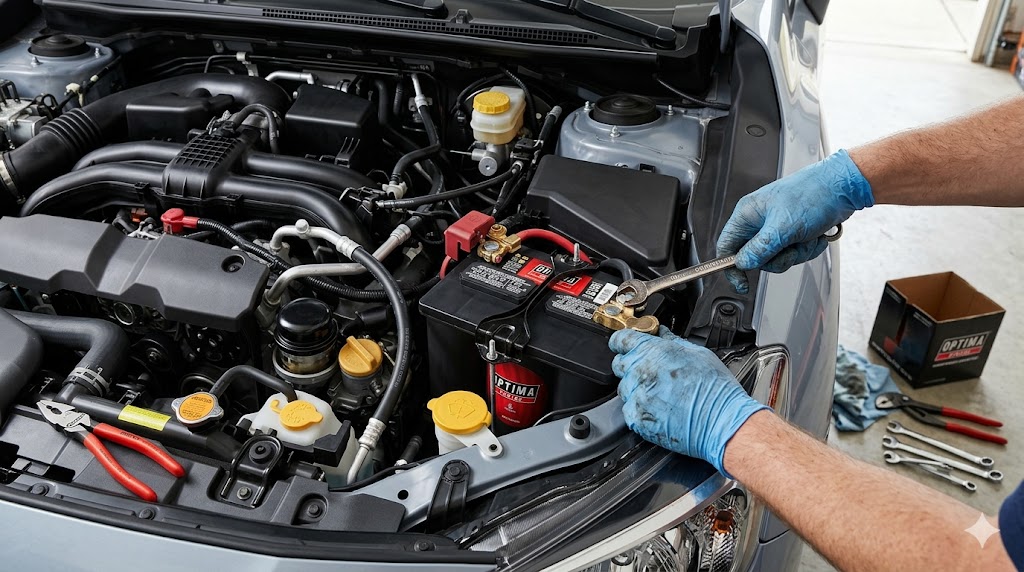
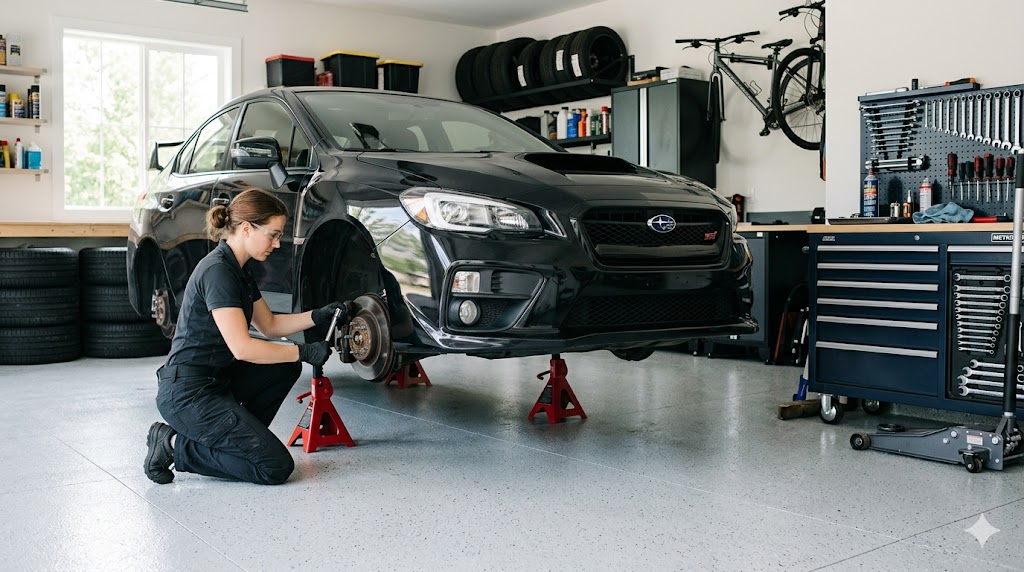
Replacing the belt yourself is within reach for a moderately confident DIYer with the right tensioner tool and a diagram of the belt's routing, since a serpentine belt's path around multiple pulleys is easy to get wrong on reassembly. The job typically doesn't require special equipment beyond a breaker bar or dedicated tensioner tool to relieve spring pressure. That said, a shop replacement often makes sense if your tensioner or an idler pulley shows wear too, since those components frequently get replaced alongside the belt, and diagnosing a worn tensioner bearing is easier with the vehicle on a lift and the right listening tools. Paying a shop also shifts the labor of correctly routing the belt — and the risk of a comeback squeal — onto someone who does it daily.
Key Takeaways
- The serpentine belt fails abruptly rather than gradually because modern EPDM rubber wears from the inside out, hiding damage that older belt materials would have shown as visible cracking.
- Intermittent cold-start squeals, occasional steering chirps, or a flickering battery light are early warning signs that are easy to dismiss but shouldn't be ignored.
- A flashlight inspection of the ribbed underside, plus a dedicated belt-wear gauge, catches internal wear that a casual glance at the outer surface will miss.
- Sudden failure can simultaneously cut power steering assist, alternator charging, and coolant circulation, so pulling over promptly is safer than continuing to drive.
- Proactive, interval-based replacement costs less in time and risk than waiting for the belt to fail on the road.
- Bottom line: inspect the belt's underside and tensioner regularly, replace on a mileage-based schedule rather than waiting for visible cracking, and choose a shop replacement if the tensioner or pulleys show wear alongside the belt itself.