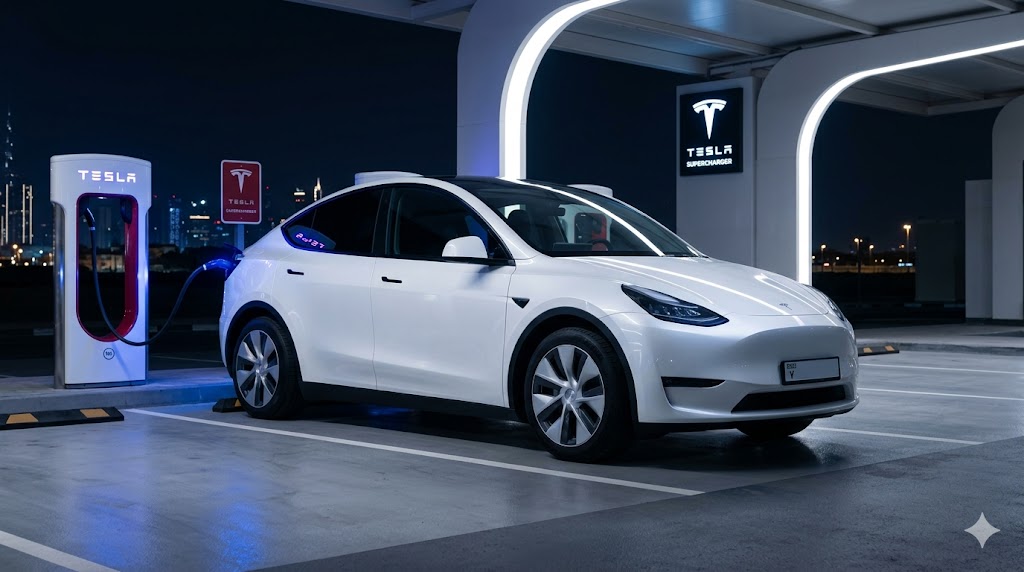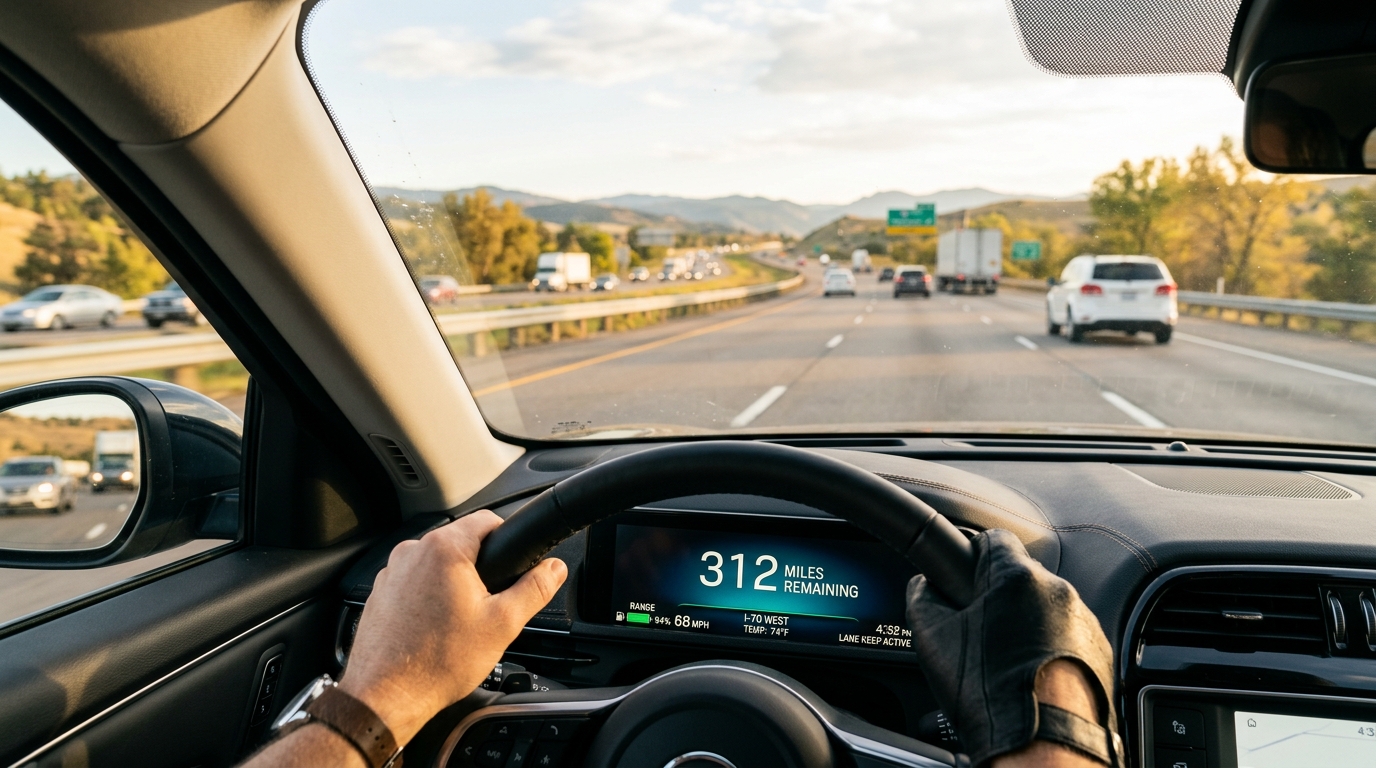

Range anxiety - the fear that an electric vehicle will run out of charge before reaching the destination or a charger - is the most durable barrier to EV adoption in consumer research. It appears consistently as the primary reason non-EV owners cite for not making the switch. What the surveys don't consistently capture is whether this anxiety reflects actual operational risk for the buyer's specific driving patterns, or whether it's a fear based on a worst-case scenario that doesn't represent typical ownership.
The distinction matters because range anxiety's persistence has created policy responses, product decisions, and consumer behavior patterns based on a concern that applies to some buyers and not to others - and the buyers for whom it genuinely applies are fewer than the survey data suggests.
The most relevant data point is that the average American drives approximately 37 miles per day. The shortest-range new EVs available in the US market provide approximately 200 miles of EPA-rated range. The gap between average daily driving and minimum available range is so large that for most buyers, the daily commute concern is essentially irrelevant - a fully charged EV wakes up with far more range than a typical day requires.
The legitimate range concern exists in two specific scenarios. The first is road trips that extend beyond the comfortable range of a single charge and pass through areas where DC fast charging infrastructure is sparse. The charger network has expanded significantly, but coverage in rural areas and certain regions remains genuinely limited. A buyer who regularly drives long distances in areas with limited charging coverage has a legitimate range planning concern that the average buyer doesn't share.
The second is buyers without home charging access - apartment dwellers relying entirely on public charging. For this group, the daily charging logistics that make EVs effortless for home-charging owners become more complex. The concern isn't range per se but charging access.
For the majority of buyers - those with home charging access and typical daily driving patterns - range anxiety is not a rational operational concern. It is a psychological response to unfamiliarity with a new technology's operational model. The most effective treatment for this form of range anxiety is experiencing the technology, which is why EV test drives that include a home-charging simulation or a charging demonstration convert potential buyers at high rates.
Summary
What it is: An analysis of EV range anxiety - separating the legitimate concerns from the perception-based fears that don't reflect most buyers' actual driving patterns.
Best for: Prospective EV buyers who are hesitating based on range concerns and want to evaluate whether those concerns apply to their specific situation.
Biggest risk factor: Making a purchase decision based on worst-case range scenarios that don't represent your actual driving pattern.
When to act: After evaluating your actual average daily driving distance and home charging access - for most buyers, these two data points resolve the range anxiety question.
AutosAdvisor is not a licensed EV advisor. Range varies by vehicle, driver, and conditions.