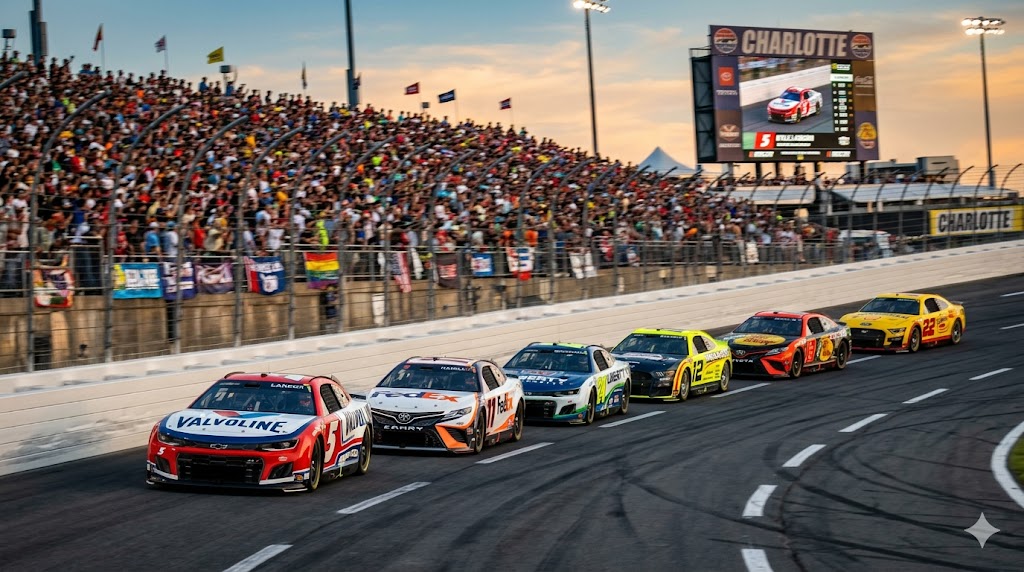

NASCAR introduced the Next Gen car for the 2022 season with ambitions that were simultaneously specific and optimistic. Specifically, the platform was designed to lower costs, create more consistent performance parity among teams with different resource levels, and introduce chassis architecture that was more relevant to the sports cars of the same era. Optimistically, the series hoped it would generate closer racing without the aerodynamic following-distance limitations that had plagued competition at intermediate tracks for years.
Three seasons of data allow a more honest assessment than launch-year enthusiasm or early-adoption frustration permitted.
The cost-reduction objective has partially succeeded. Single-lug wheel fasteners, spec parts in defined categories, and a more standardized chassis design have reduced some development spending. The teams with the most resources have found new areas to develop, as they always do, but the gap between the best-funded and mid-field teams has narrowed in ways the data supports.
The racing quality question produces more complex results. Intermediate track racing - the one-and-a-half-mile circuits that form the backbone of the Cup Series schedule - has improved at some venues and remained processional at others. The car's aerodynamic package has been adjusted repeatedly across the three seasons, with the series and its technical team working to find the configuration that creates the kind of competition the platform promised.
The short track performance has been one of the Next Gen's clearest competitive wins. Martinsville, Bristol, and Richmond have produced racing with more side-by-side competition than the Generations 5 and 6 cars consistently delivered. The independent rear suspension, one of the Next Gen's most significant engineering departures from its predecessors, allows more mechanical grip independence at the rear axle that translates to more corner entry options.
The superspeedway configuration continues to evolve. Talladega and Daytona superspeedway racing remains pack-dominated with the aero package required for these tracks, maintaining the inherent unpredictability of drafting-based competition that has characterized superspeedway events for decades.
Summary
What it is: A technical and competitive analysis of NASCAR's Next Gen Cup Series car, three seasons into its competition run.
Best for: NASCAR fans who want context for understanding why racing quality varies across different track types and what the series is trying to solve.
Key tradeoff: The Next Gen car has improved short-track competition meaningfully while intermediate-track performance improvements remain inconsistent.
Bottom line: The platform is a genuine improvement over its predecessors in specific areas; the intermediate-track aerodynamic puzzle remains the series' ongoing development challenge.
AutosAdvisor is not affiliated with NASCAR or any team. This content is editorial analysis.