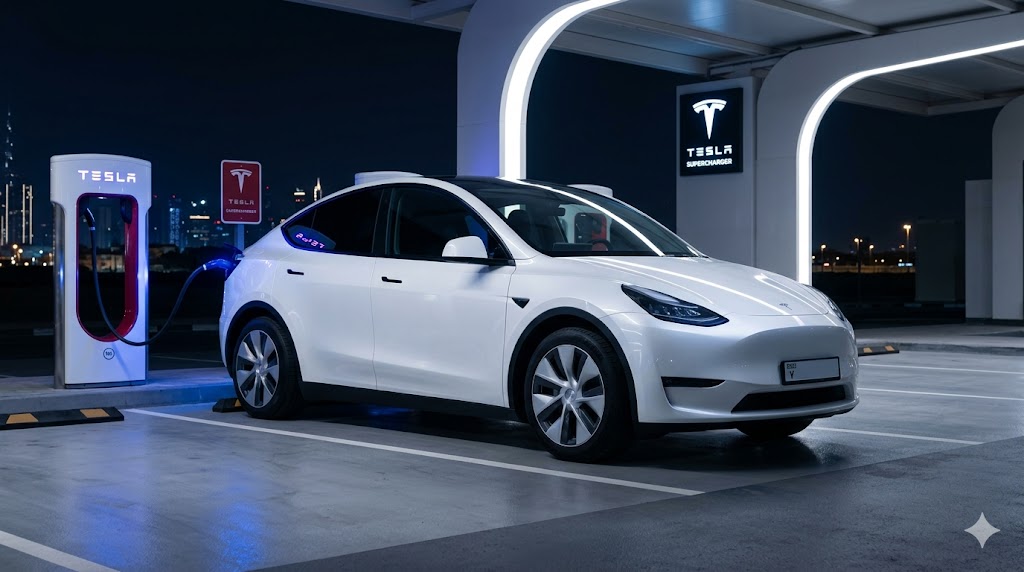
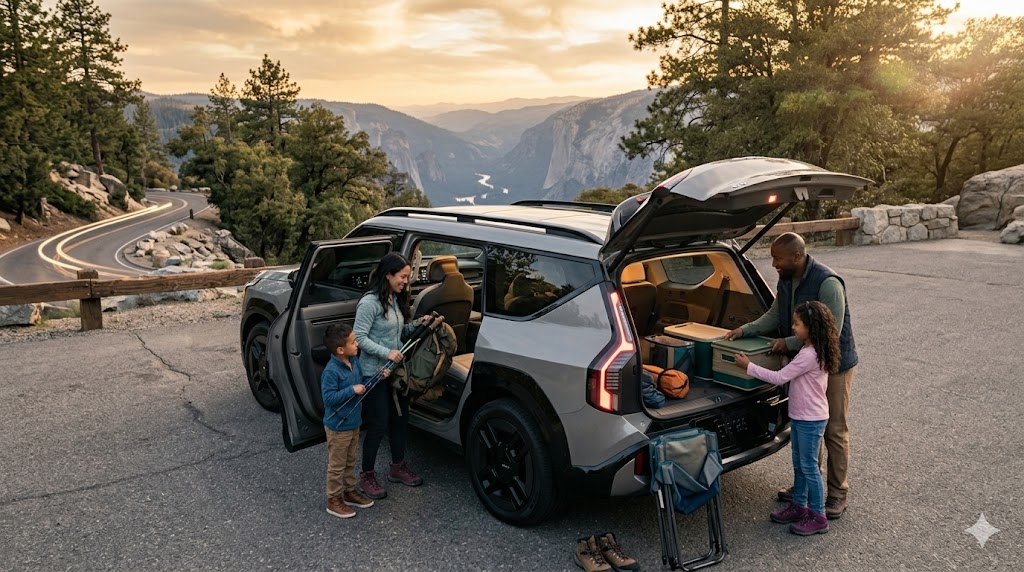
The charger you're most likely to actually use as an EV owner isn't the flashy fast-charging plaza off the interstate — it's the unglamorous Level 2 unit bolted to a wall in a hotel parking lot, or the row of chargers near the mall entrance that you plug into while you shop. Destination charging, the kind that happens while you're doing something else entirely, has quietly become one of the most useful pieces of EV infrastructure precisely because it turns dead time into charging time. But hotels, airports, and shopping centers each handle it differently, with different equipment, different costs, and different etiquette, and knowing those differences ahead of time saves you from wasted trips to a charger that turns out to be broken, occupied, or reserved for someone else entirely.
Hotel Charging Is the Most Reliable Bet, With Real Caveats
Hotels have embraced EV charging faster than almost any other destination category, largely because it's an easy amenity to offer and a genuine differentiator for travelers choosing where to stay. The typical setup is one or more Level 2 chargers in the guest parking area, often free or bundled into the cost of the room, though a growing number of properties charge a modest session or per-kWh fee, especially at chains that have standardized their EV amenity policies. Level 2 charging is slow relative to a fast-charging station, generally adding a meaningful chunk of range over several hours rather than minutes, but that's exactly the point: you're sleeping there anyway, so the slower speed doesn't cost you any actual time.
The caveat is supply. Many hotels installed just one or two charging spots when EV adoption was lower, and that number hasn't always kept pace with how many guests now show up in an EV. Arriving late at a business-travel-heavy hotel only to find both spots occupied is a real and common frustration, so it's worth calling ahead or checking the hotel's own listing rather than assuming a charger will be free on arrival. Some properties have shifted to a valet-managed model specifically to address this, where staff physically move cars once they're sufficiently charged so the spot can turn over to the next guest — a solution that works well when the staff is attentive and less well when it isn't, since a fully charged car sitting in a charging spot overnight can quietly block another guest from getting any charge at all.
Etiquette matters more at hotels than almost anywhere else on this list, because the pool of chargers is small and shared among strangers staying under the same roof. If you wake up in the middle of the night and notice your car is already full, moving it to a regular spot is a genuine courtesy, not just a nice-to-have, especially at a property with only one or two charging stalls.
Airport Charging Is Growing But Still Limited, and Location Matters
Airports are behind hotels in charging buildup, and the geography of an airport makes it a fundamentally harder problem to solve well. Airport chargers are frequently tucked into parking garages or economy lots that require a longer walk to the terminal than a standard spot would, and at some airports the available chargers sit in rental car return areas or employee lots rather than public passenger parking, which limits how useful they are to someone just trying to park before a flight. It's worth checking exactly where an airport's chargers are located relative to the terminal you're flying from before counting on one, because "the airport has EV charging" and "the airport has EV charging you can conveniently reach with luggage" are not the same claim.
The other airport-specific wrinkle is trip duration. A charger that makes sense for a two-hour errand doesn't necessarily make sense for a five-day trip, since most airport chargers are Level 2 and a car left plugged in and fully charged for days provides no benefit over one parked in a standard spot for the same stretch, while potentially blocking another traveler from a charging spot they actually need on arrival or departure day. Airport charging is most valuable for short trips or for topping off before a long drive home after landing, rather than as a way to "charge while you're away" over an extended vacation.
Rideshare and taxi lots at busier airports sometimes have their own charging infrastructure aimed at electric rideshare vehicles, which is generally not intended for personal traveler use, so it's worth distinguishing those from public passenger charging when you're scanning a map app and see chargers that seem suspiciously close to a terminal curb.
Shopping Centers Use Charging as a Draw, Which Works in Your Favor
Malls and shopping centers have taken a different approach than hotels or airports: rather than treating charging purely as a guest amenity, many treat it as a way to keep shoppers on-site longer and to signal that a property is modern and forward-thinking. That commercial motivation actually works in your favor as a driver, because it means retailers and mall operators have some incentive to keep the equipment working and visible rather than letting it languish forgotten in a back corner of the lot. You'll typically find either Level 2 chargers scattered through general parking, aimed at shoppers who'll be inside for an hour or two, or in some cases DC fast chargers positioned near entrances or in outparcels, aimed at getting you in and out more quickly while still capturing your foot traffic inside.
The tradeoff at shopping centers is consistency. Unlike hotels, where the chain often standardizes its charging amenity across properties, individual malls vary enormously depending on which retailers anchor them and how proactive the property management has been. A high-end retail center anchored by an automaker's own stores or a big grocery chain that has invested in sustainability branding is more likely to have well-maintained, plentiful charging than an older strip mall that added one unit years ago and hasn't touched it since. It's worth treating shopping center charging as a pleasant bonus to plan around rather than a dependable backbone of a longer trip.
How to Actually Find These Chargers Before You Arrive
The most reliable approach combines a general mapping tool with a dedicated charging app, because neither one alone tends to have complete coverage. Mapping and navigation apps with EV routing built in will usually show you chargers along a route or near a destination, which is useful for a quick check while you're already driving. Dedicated charging locator apps, particularly crowdsourced ones, tend to have richer detail specific to destination charging: whether a hotel's chargers are guest-only or open to the public, whether an airport charger requires a long walk, and photos or notes from other drivers about whether a given unit has a history of working or not. For hotels specifically, checking the property's own website or calling the front desk directly is worth the extra step, since amenity listings on third-party booking sites aren't always kept current.
Once you've found a charger, a little practical courtesy goes a long way, especially in the smaller charging pools typical of hotels and mall lots: don't park in a charging spot if you don't intend to plug in, don't leave your car sitting there long after it's finished charging if others are waiting, and if a plug or screen looks damaged, reporting it through whatever app or channel is available helps the next driver avoid the same dead end you just found.
Key Takeaways
- Hotel charging is usually the most dependable destination option, often free or low-cost Level 2, but stall counts can be small enough that late arrivals should confirm availability ahead of time.
- Airport charging is expanding but often located in garages or economy lots well away from the terminal, so verify exact location before counting on convenience.
- Airport chargers are best used for short trips or a pre-drive top-off, not for multi-day parking, since a fully charged car left plugged in for days blocks others for no benefit.
- Shopping center charging tends to be well maintained where retailers use it as a customer draw, but coverage and reliability vary widely property to property.
- Combining a mapping app for real-time routing with a crowdsourced charging app for destination-specific detail gives the most complete picture before you arrive.
- Bottom line: destination charging is genuinely useful across all three venue types, but treat it as a valuable bonus to verify in advance rather than infrastructure you can blindly rely on.