Two identical-looking engines can call for spark plug changes at wildly different points in their lives, and the reason has almost nothing to do with how the car is driven and everything to do with what the electrode tip on the plug is made of. Swap a set of old-fashioned copper plugs for iridium ones and the service interval for that same engine can stretch several times longer. That single fact explains most of the confusion owners have about spark plugs, and it's worth understanding before you ever pick up a socket, because it directly shapes whether this is a job you'll do every year or one you'll do rarely enough to forget how.
Why Intervals Vary So Much by Material and Engine
Copper-core spark plugs, with a relatively thick electrode, are the oldest and cheapest technology still in use. Copper conducts electricity extremely well and gives a strong spark, which is why some high-performance and forced-induction applications still specify it, but the electrode erodes relatively quickly under the heat and electrical stress of combustion. Copper plugs are generally the shortest-interval option, sometimes needing replacement within a year or two of normal driving, and they're the plug most likely to be original equipment on older vehicles or certain specialty engines.
Platinum plugs use a small disc of platinum welded onto the electrode tip, a much harder and more erosion-resistant metal than copper, which lets the gap stay stable for far longer before the plug needs replacing. Iridium goes a step further: it's even harder and more erosion-resistant than platinum, and manufacturers can shape the electrode into a much finer point, which improves ignition efficiency slightly while also extending service life considerably. Many modern vehicles come from the factory with iridium or platinum plugs specifically because it lets the manufacturer publish a much longer service interval, sometimes measured in tens of thousands of miles rather than a handful of thousand.
Beyond the plug material itself, engine design changes the calculus further. Turbocharged and high-compression engines run hotter combustion events and put more electrical and thermal stress on a plug, which can shorten the practical service life even for a long-life plug material. Engines with direct injection sometimes see more carbon buildup that affects plug condition. This is exactly why there's no single "correct" interval to memorize: the right number is a function of the specific plug material installed and the specific engine's demands, and the only trustworthy source for that number is your owner's manual or the manufacturer's published maintenance schedule, not a generic rule of thumb from a forum or a different car entirely.
The Tools You Actually Need
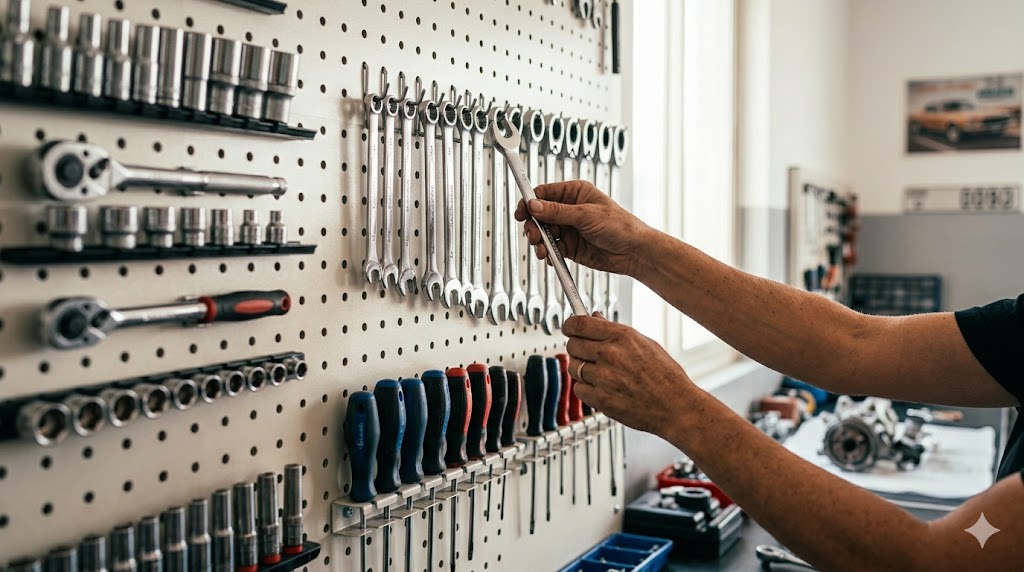
A spark plug socket is not interchangeable with a regular deep socket, because it has a rubber or foam insert inside that grips the plug's ceramic insulator and keeps it centered as you remove and install it, preventing the plug from rattling around and cracking against the socket walls. You'll also want an extension long enough to reach down into the plug well, since on most engines the plugs sit recessed well below the top of the cylinder head, and a universal joint or wobble extension can help when the plug isn't in a straight line with your ratchet's swing.
A torque wrench is not optional for this job, whatever shortcuts you may have seen elsewhere. Spark plugs thread into either an aluminum or, less commonly now, cast iron cylinder head, and the torque specification matters enormously because plugs are easy to either under-tighten or over-tighten by feel alone. Always use the torque value specified for your specific plug and engine rather than guessing, since this single figure varies by thread size, plug design, and head material, and applying a torque wrench correctly is the single biggest factor separating a clean spark plug job from an expensive mistake.
If your new plugs aren't pre-gapped to the correct specification out of the box, you'll need a gap tool, either the older feeler-gauge style or a wire-loop gauge, to check and adjust the gap between the center and ground electrode before installation. Many modern platinum and iridium plugs come pre-gapped correctly from the factory and explicitly warn against adjusting the fine wire electrode, since bending it can damage the precious metal tip, so check your plug's packaging and your vehicle's specification before assuming you need to gap them yourself. Finally, keep a small tube of anti-seize compound on hand, but only use it if your vehicle manufacturer specifies it; many modern plugs come with a plating designed to prevent seizing on their own, and the manufacturer's instructions should guide whether anti-seize is wanted or explicitly discouraged.
Over-Torquing, Cross-Threading, and Other Ways This Goes Wrong
The single most common and most expensive mistake in a spark plug job is over-torquing. Spark plugs are made of a ceramic insulator around a steel shell, and cranking one down well past its specified torque can crack the ceramic, damage the crush washer's ability to seal properly, or in a worst case strip the threads in an aluminum cylinder head, which is a vastly more expensive repair than the plug itself. Aluminum heads are considerably softer than the steel plug threads, and that mismatch is exactly why torque control matters so much here compared to some other fasteners on a car where "snug plus a bit" might be forgivable.
Cross-threading is the other classic failure, and it usually happens when someone starts a plug with a ratchet or extension instead of their fingers. Spark plug threads are fine enough that they can cross-thread easily if the plug isn't started perfectly straight, and forcing a cross-threaded plug with a ratchet will damage the head threads before you feel serious resistance. The safer technique is to thread every plug in by hand first, using a short rubber hose or the spark plug socket itself without a ratchet attached, turning gently until you feel it seat, and only then switching to a ratchet and torque wrench to bring it to final spec. If a plug doesn't spin in smoothly and easily by hand for at least a few full turns, stop and back it out rather than forcing it.
Using anti-seize when the manufacturer says not to is a subtler mistake but a real one. Anti-seize is lubricating, which means a plug torqued to the same wrench reading with anti-seize applied is actually being clamped tighter than the same torque value achieved dry, since less of the torque is being lost to thread friction. If a manufacturer's spec already accounts for a pre-plated plug and says not to add anti-seize, doing so anyway can result in effective over-torquing even though your torque wrench reads correctly, along with the risk of anti-seize contaminating the electrode if applied carelessly.
Skipping the gap check is another avoidable error, particularly with copper plugs and some platinum plugs, which frequently do need gap verification or adjustment even when sold as "gapped." Installing a plug with an incorrect gap can cause misfires, poor fuel economy, or hard starting that might not show up as an obvious problem until weeks later, which makes it a frustrating thing to diagnose after the fact if you didn't check it during installation.
Working on a hot engine is a mistake with an immediate physical consequence rather than a delayed mechanical one: an aluminum cylinder head expands when hot, and removing a plug from a hot aluminum head increases the risk of damaging the threads, plus you risk burns from surrounding components. Always let the engine cool fully before starting.
Finally, on V6 and V8 engines where some plugs sit deep in narrow wells, often on the side facing the firewall or tucked under other components, dropping a plug into that well is a common and irritating mistake. A plug that falls out of the rubber-insert socket on the way down can be difficult or in rare cases impossible to retrieve without removing surrounding parts, so many experienced DIYers use a dab of dielectric grease or a bit of tape to help the plug stay seated in the socket while lowering it into a deep or hard-to-see well, and they double-check the socket's grip on the plug before committing to the reach.
Key Takeaways
- Plug material drives interval length more than anything else: copper wears fastest, platinum lasts longer, and iridium typically lasts longest.
- Turbocharged, high-compression, and direct-injection engines can shorten practical plug life even when a long-life material is installed.
- A spark plug socket with a rubber insert, the correct extensions, and a torque wrench are non-negotiable; skipping the torque wrench is how expensive damage happens.
- Thread every plug in by hand first to avoid cross-threading, and only use anti-seize if the manufacturer's instructions call for it.
- Let the engine cool before starting, and take extra care with plugs seated deep in V-configuration engine wells so a dropped plug doesn't turn a simple job into a bigger one.
- Bottom line: match your plug material and gap procedure to your owner's manual's exact specification, torque every plug to spec by the book, and this remains one of the more approachable DIY jobs as long as you resist the urge to rush the torque and threading steps.