You've test-driven the car, you love the instant torque, and the salesperson is already sliding the paperwork across the desk. Stop right there. Buying your first electric vehicle is not like buying your fifth gasoline car with an electric motor bolted in instead of an engine — the ownership experience hinges on decisions you need to make before you sign anything, not after. Where you'll charge, how your utility bills you for electricity, what your actual daily range looks like in bad weather, and whether your home's electrical panel can even support a charger are all things that matter more than trim level or paint color. Skip this homework and you risk ending up with a car that's technically wonderful but practically a headache.
Figure Out Your Charging Situation Before You Figure Out Which Car
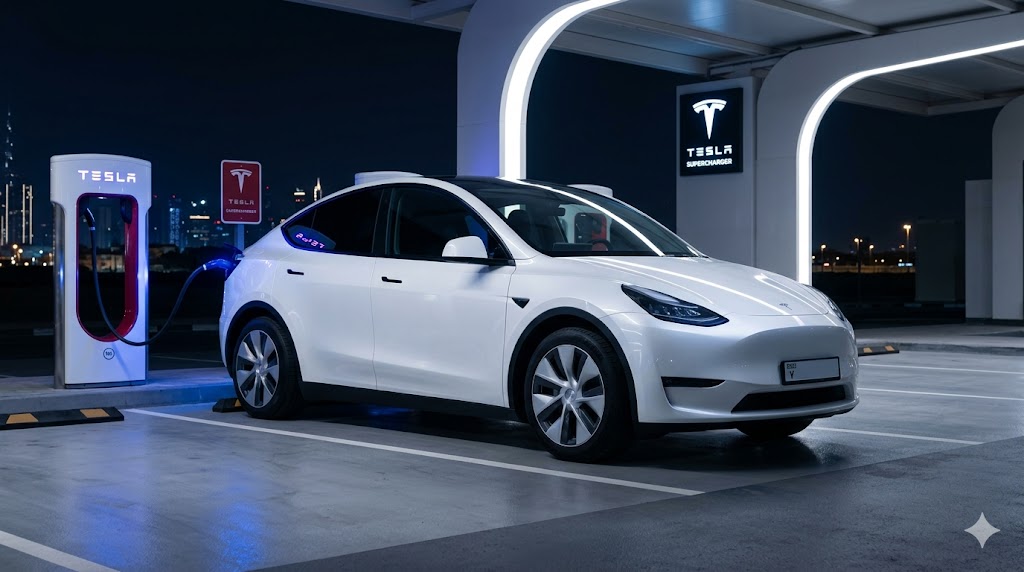
The single biggest mistake first-time EV buyers make is falling in love with a model before confirming they can charge it conveniently. If you live in a single-family home with a garage or dedicated driveway spot, you're in the best position: a Level 2 home charger will almost certainly become your primary and maybe only charging method, and public fast charging becomes a backup for road trips rather than a daily necessity. If you live in an apartment, a condo with shared parking, or a building without dedicated EV infrastructure, your calculus changes entirely. Ask your landlord or HOA now, not after delivery, whether installing a charger is even permitted and who pays for the electrical work. Some buildings have supportive policies and shared charging stations already; others have none, and workplace charging or a nearby public fast-charging station becomes your real-world routine. There's no shame in relying on public charging, but you should know what that looks like — pricing structures at public networks are often less predictable than home electricity rates, and availability during peak commute hours can be inconsistent depending on your area. Map out the charging stations within a reasonable radius of your home and workplace before you buy, not after.
Get Honest About Your Actual Daily Range Needs
Every EV's window-sticker range number is measured under conditions that rarely match your actual commute. Cold weather can meaningfully reduce usable range because battery chemistry is less efficient in low temperatures and because you're running cabin heat, which draws directly from the battery in most EVs rather than using waste heat from a combustion engine. Highway driving at sustained high speeds also eats into range faster than the mixed-cycle numbers suggest, since aerodynamic drag scales sharply with speed. Rather than picking a car based on its advertised range, add up your actual daily driving — commute, errands, the unplanned cross-town trip — and then look for a comfortable buffer beyond that, particularly if you live somewhere with real winters or you frequently drive at highway speeds. If your longest regular trip is a rare exception rather than the rule, don't let it dictate your battery size; renting a car or using a fast charger once or twice a year is a reasonable trade-off for buying a smaller, less expensive battery pack that suits your everyday reality. Buyers who overbuy range often pay for capacity they rarely use, while buyers who underbuy find themselves anxious every time they leave the house. Be honest with yourself about which mistake you're more likely to make.
Understand the Home Charging Equipment and Electrical Work Involved
Nearly every new EV can be plugged into a standard household outlet in a pinch, but that method is painfully slow — often adding only a handful of miles of range per hour — and is realistically a backup, not a daily solution. A proper Level 2 home charging setup requires a dedicated circuit, typically installed by a licensed electrician, and the cost of that installation varies enormously depending on your home's existing electrical panel, the distance from the panel to your parking spot, and local labor rates. Before you buy, have an electrician assess your panel's capacity. Older homes, especially those with panels that are already near capacity from central air conditioning, electric ranges, or other big loads, may need a panel upgrade before a charger can be added safely, and that's a cost you want to know about in advance rather than discover after your new EV is sitting in the driveway charging at a trickle. Get at least one quote for the electrical work before you finalize your purchase decision, and factor that number into your total cost of ownership the same way you'd factor in a down payment.
Don't Guess at Incentives — Verify What You Actually Qualify For
Federal, state, and local incentive programs for EVs have shifted significantly and continue to change, with eligibility often depending on factors like the vehicle's assembly location, battery sourcing, the vehicle's price cap, and your household income. Some incentives apply at the point of sale as an immediate price reduction, while others require you to claim them later, and some state or utility-level rebates are stackable with federal programs while others are not. Because these rules are genuinely in flux and vary by where you live and when you buy, do not rely on what a dealership salesperson tells you verbally, and do not rely on general claims you read online, including in this article. Check the official current guidance directly — the federal government's consumer-facing energy or tax resources, your state's energy office, and your local electric utility are the three places to look, since utilities frequently offer their own rebates for both the vehicle and the home charger installation. Confirm eligibility before you sign, because in some cases a specific trim or configuration of an otherwise-eligible model can fall outside the qualifying criteria.
Compare Insurance, Maintenance, and Total Cost of Ownership Realistically
EVs tend to have a different maintenance rhythm than gasoline cars — no oil changes, fewer moving parts in the drivetrain, and regenerative braking that can extend brake pad life — but that doesn't mean maintenance costs disappear entirely, and insurance is a category first-time buyers frequently underestimate. Because EVs often carry a higher upfront price and because repair costs for battery packs, specialized sensors, and EV-specific components can be substantial, insurance premiums for electric vehicles are sometimes higher than for a comparable gasoline model. Get an actual insurance quote for the specific EV you're considering before you buy, rather than assuming your current premium will simply carry over. It's also worth asking your dealer directly about tire costs, since EVs are heavier than equivalent gas cars and often go through tires somewhat faster, and about what the battery warranty actually covers in terms of capacity degradation over time, since this varies by manufacturer and is worth understanding in detail rather than glossing over.
Take a Real Test Drive That Mimics Your Actual Life
A five-minute test drive around the block tells you almost nothing about what it's like to live with an EV. If your dealer allows it, ask to keep the car overnight or take it on your actual commute, including highway merging, hills, and whatever charging stop you'd realistically need to make. Pay attention to how the infotainment system handles route planning with charging stops built in, since some manufacturers' native navigation is far more capable at this than others, and a clunky charging-planning experience becomes a daily annoyance rather than a minor quirk. Test the climate control's effect on the range estimate in real time, and see how the car communicates remaining range and charging status, since clarity here varies a lot between brands and trim levels.
Key Takeaways
- Confirm your realistic charging setup — home, workplace, or public — before choosing a specific EV model, since access matters more than any single spec.
- Calculate your actual daily driving needs rather than buying for rare long trips, and accept a smaller battery if your daily routine supports it.
- Get an electrician's assessment of your home's panel and wiring, and get a real quote for Level 2 charger installation before finalizing your budget.
- Verify current federal, state, and utility incentive eligibility directly through official sources rather than trusting dealer claims or outdated online information.
- Request a specific insurance quote for your chosen EV and ask detailed questions about tire wear and battery degradation coverage before signing.
- Bottom line: the best first EV purchase is one matched to your real charging access and daily range needs, not the one with the flashiest spec sheet.