
The decision between an electric vehicle and a hybrid - whether conventional, plug-in, or mild - is one of the most consequential technology choices in a new vehicle purchase, and one that most buyers make without fully understanding the mechanical and practical differences between the options. The marketing for both categories has become sophisticated enough to obscure more than it clarifies.
The relevant questions for most buyers aren't about environmental positioning or technology philosophy. They're about charging infrastructure access, daily driving patterns, range requirements, and the economics of different powertrain combinations over a realistic ownership period.
How Each Technology Works
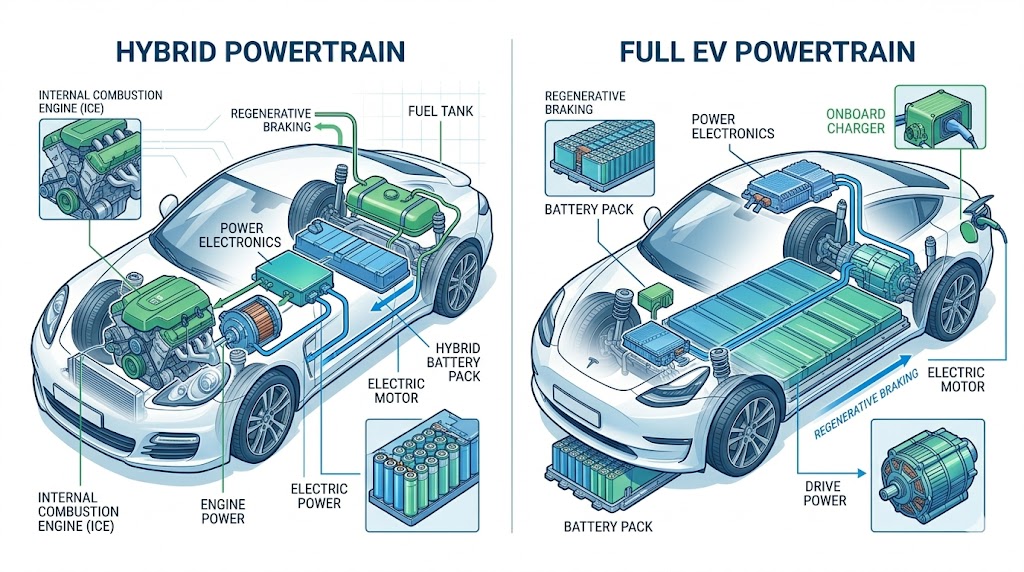
A full hybrid uses a gasoline engine as the primary power source, with an electric motor and battery that capture energy during deceleration and use it to assist the gasoline engine under acceleration. The battery is small and charges entirely through regenerative braking - no plugging in required. Toyota's HSD system in the Prius and RAV4 Hybrid exemplifies this approach and delivers fuel economy improvements of 30-50% over comparable conventional powertrains.
A plug-in hybrid adds a larger battery and the ability to charge from an external source. This allows electric-only driving for a defined range - typically 20-50 miles depending on the vehicle - before the gasoline engine takes over. For buyers whose daily driving distance falls within the electric range and who have home charging access, a PHEV can approach EV economics for daily use while providing gasoline backup for longer trips.
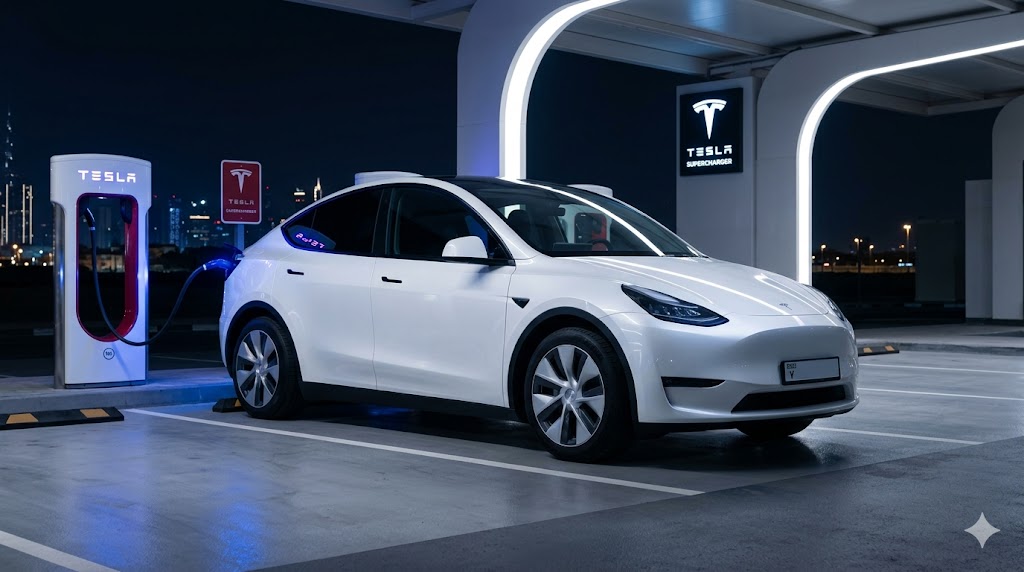
A battery-electric vehicle uses only electric motors, with no gasoline engine. All energy comes from the battery, charged from external sources. The absence of an ICE eliminates many maintenance costs and simplifies the drivetrain substantially. The dependency on charging infrastructure is the primary operational constraint.
Which Makes Sense for Your Situation
Buyers with home charging access and daily commutes under 250 miles should seriously evaluate EVs - the operational advantages are real and the infrastructure concern is largely manageable. Buyers without home charging access face a genuinely harder calculation. Buyers who frequently drive very long distances in areas with limited fast charging coverage have the strongest case for hybrids.
Summary
What it is: A comparison of EV, plug-in hybrid, and conventional hybrid technology - how each works and which situations favor each approach.
Best for: Buyers deciding between electrified powertrain options who want to make the decision based on their specific driving patterns rather than general market trends.
Biggest cost/risk factor: Choosing an EV without evaluating your specific charging access is the most common mistake; choosing a hybrid when your charging access would support an EV may leave efficiency benefits on the table.
When to act: After honestly evaluating home charging access and representative driving distance - the technology choice follows from those facts.
AutosAdvisor is not a licensed automotive engineer. This content is educational.