Pull up to a charging station with twenty percent battery left and find a "unit unavailable" screen, and you learn more about a charging network in that moment than any spec sheet will ever tell you. Over months of road trips, daily commuting, and plenty of detours forced by a dead station, a pattern emerges that has less to do with any single company's name and more to do with what kind of network you are plugged into. That distinction matters more than most rankings let on. A specific station's condition on a specific day depends on its age, its maintenance schedule, local weather, how hard it gets used, and plain luck, which makes any definitive numbered ranking of named networks something to view skeptically, ours included if we tried to hand you one. What we can offer honestly, after real miles and real charging sessions, is a read on the broad categories of networks and the reliability patterns that tend to show up in each, along with where specific well-known names generally land in the conversation.
Why "Ranking Networks" Is Trickier Than It Sounds
Any two drivers can plug into the same network in the same month and walk away with opposite impressions, because charging reliability is not one uniform experience delivered evenly across thousands of locations. A network can have a flawless flagship station in one city and a neglected, error-prone unit two states over, and both are technically "that network." Publicly available uptime statistics from networks and third-party trackers exist, but they shift over time, get contested, and vary by methodology, so rather than repeating a specific number that may already be outdated by the time you read this, it makes more sense to talk about why certain categories of networks trend more reliable than others, and let you weigh that against your own local experience, since your experience may vary meaningfully by region.
Legacy Networks: Scale Comes with Aging Hardware
The oldest, largest public charging networks got where they are by expanding fast and early, which means a meaningful share of their footprint today is older hardware that has been through years of heavy public use, weather exposure, and the wear that comes with being touched by thousands of different vehicles and drivers. Networks like Electrify America and ChargePoint fall generally into this category, alongside various regional utility-run and legacy third-party networks. The upside of scale is coverage: you are more likely to find one of these stations near you than a newer competitor's. The downside is consistency. Older cabinets, older payment hardware, and older software stacks tend to produce more of the intermittent glitches drivers complain about most: a screen that freezes mid-transaction, a connector that won't unlatch, a card reader that just does not respond. None of that means these networks are unreliable everywhere, many individual stations run fine for years, but the category as a whole carries a wider spread between its best and worst locations than newer, smaller networks typically do, simply because there is more infrastructure, more of it is older, and maintenance has to be spread across a larger footprint.
Newer Entrant Networks: Fewer Stations, Fresher Equipment
A newer wave of charging companies has built out smaller but generally newer networks, often with more modern hardware, cleaner software experiences, and payment systems designed after the industry had already learned some hard lessons from the first generation of public chargers. EVgo and various newer regional operators generally fit this description, though the specifics of any one company's footprint and age shift constantly as they continue building. Reliability at the individual station level tends to run smoother in this category, at least while the hardware is still relatively new, simply because newer equipment has not yet accumulated the wear and tear that produces intermittent failures. The tradeoff is coverage and redundancy: fewer total stations means less of a safety net if the one near you happens to be down or occupied, and less operating history means it is harder to know how these networks will hold up once their hardware ages the way the legacy networks' has.
Automaker-Run Networks: Tighter Integration, Narrower Purpose
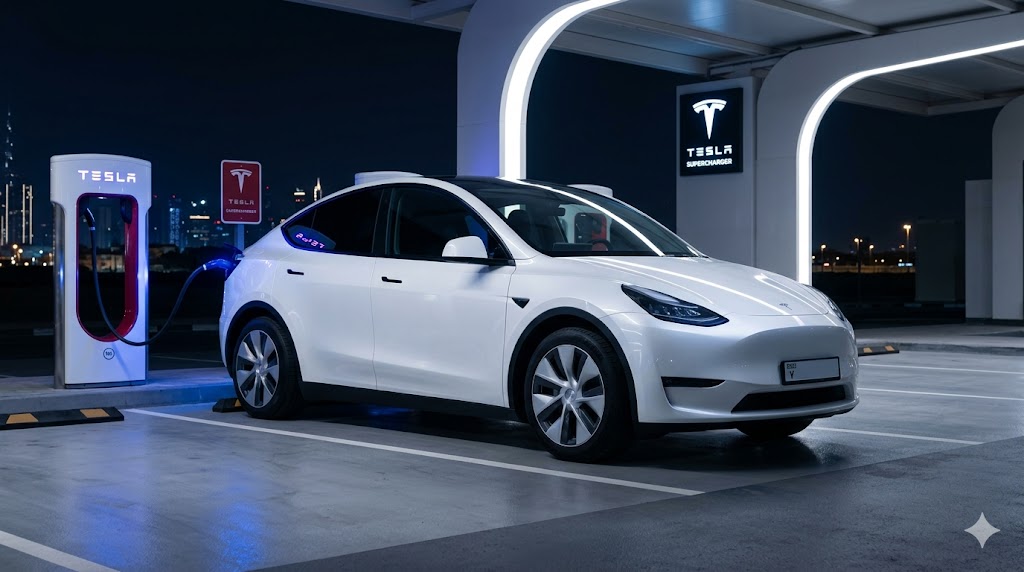
Networks built and operated by a specific automaker for its own vehicles, the clearest example being Tesla's Supercharger network, generally get talked about as the most consistently reliable category in casual driver conversation, and there is a logical reason that reputation persists: a single company controlling both the vehicle and the charging hardware can tune the two to work together more predictably than a universal network has to, which is built to serve every make and model with varying charging software, connector histories, and communication protocols. That tighter integration tends to reduce the category of failures that come from mismatched vehicle-to-charger communication, one of the more common gremlins on universal networks. The narrower purpose is also the limitation: these networks have historically prioritized their own automaker's vehicles, and while opening up to other brands has been happening industry-wide, the depth of that access and the experience for non-native vehicles varies and is worth checking against current published information for your specific vehicle rather than assuming universal compatibility.
What Actually Predicts a Bad Charging Experience
Across all three categories, a few practical factors matter more than the network's name on the sign. Station age within any given network is a strong predictor, a five-year-old unit is going to have more quirks than one installed last quarter, regardless of brand. Location matters too: stations at busy highway travel centers get pounded with usage and tend to show wear faster than a lightly used unit outside a suburban shopping center. Weather exposure plays a role, with stations that lack any kind of canopy or shelter generally taking more of a beating over time than covered installations. And redundancy at the site itself makes a real difference: a location with eight stalls gives you options if one or two are down, while a location with two stalls turns a single broken unit into a fifty percent failure rate for anyone who shows up.
How to Actually Protect Yourself on the Road
Given all this, the most useful habit is not picking one "best" network and trusting it blindly, it is building redundancy into your own routing. Before a longer trip, identify at least two viable charging options along your route rather than one, check a charging app's real-time status and recent user comments before you commit to a detour, and treat any station's listed status as a strong hint rather than a guarantee, since outages do not always get reported instantly. Apps that aggregate recent driver reports tend to be more current than a network's own status page. None of this eliminates the occasional bad stop, but it turns a potential stranding into a minor inconvenience, which is really the best outcome any charging strategy can promise given how uneven the infrastructure still is across the board.
The Honest Bottom Line on Rankings
If you came looking for a clean numbered list crowning one network the undisputed most reliable, the honest answer is that no such list holds up well over time or across regions, and treating any specific statistic you see quoted online as gospel is a mistake, since these figures change and get measured differently depending on who is doing the counting. What holds up better is the pattern: automaker-run, tightly integrated networks tend to earn the strongest general reputation for consistency, newer entrant networks often deliver a smoother experience station-by-station while offering less coverage, and the largest legacy networks offer the best odds of finding a station nearby at the cost of a wider spread in individual station condition. Match that pattern against your own routes and driving habits, and check current driver reports before you rely on any single stop, rather than betting your trip on someone else's ranking.
Key Takeaways
- No single verified, stable ranking of specific charging networks by reliability exists; treat any exact statistics you see online with skepticism.
- Legacy, large-scale networks offer the best coverage but carry more aging hardware, producing a wider gap between their best and worst individual stations.
- Newer entrant networks tend to have fresher, smoother-running equipment but fewer total locations and less operating history to prove long-term durability.
- Automaker-run networks generally earn the strongest reputation for consistency because one company controls both the vehicle and the charging hardware.
- Station age, location traffic, weather exposure, and the number of stalls at a site predict a bad experience better than the network's brand name does.
- Bottom line: build route redundancy and check real-time driver reports rather than trusting any one network category to be flawless everywhere you go.