
EV charging infrastructure in the United States has improved substantially since 2022, but it has not improved uniformly, and the experience remains variable enough that new EV buyers who don't understand the landscape before purchase can find themselves frustrated in ways that pre-purchase research would have prevented.
The most important thing to understand about EV charging is that the vast majority of it - consistently between 70-80% for most EV owners - happens at home, overnight, using a Level 2 home charger. For owners with this option, the charging anxiety that dominates public discussion is largely a non-issue in daily life. The challenging questions arise for apartment dwellers without home charging access and for road trips that venture beyond the comfortable range of a single charge.
The Three Levels of Charging
Level 1 charging uses a standard 120V household outlet and delivers approximately 3-5 miles of range per hour of charging. It's free, widely available, and completely adequate for plug-in hybrids or for EV owners who drive very short distances daily. For a full-range EV, it's too slow for most practical use as a primary charging source.
Level 2 charging uses 240V and delivers 15-30 miles of range per hour depending on the charger's power rating and the vehicle's onboard charger capacity. A home Level 2 installation typically costs $500-$1,500 including the charger hardware and electrician's installation. At home overnight, this means a fully depleted EV wakes up fully charged every morning.
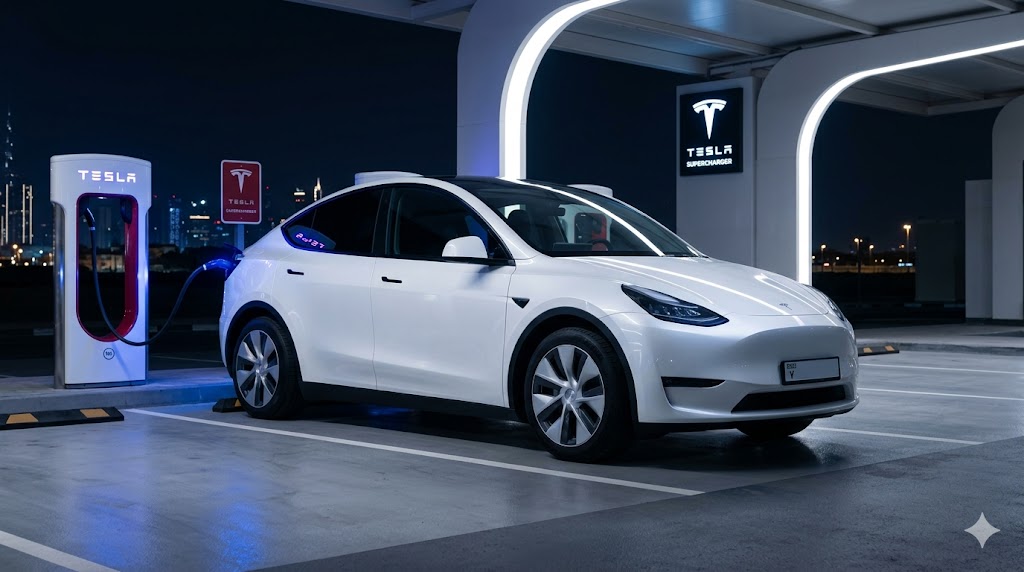
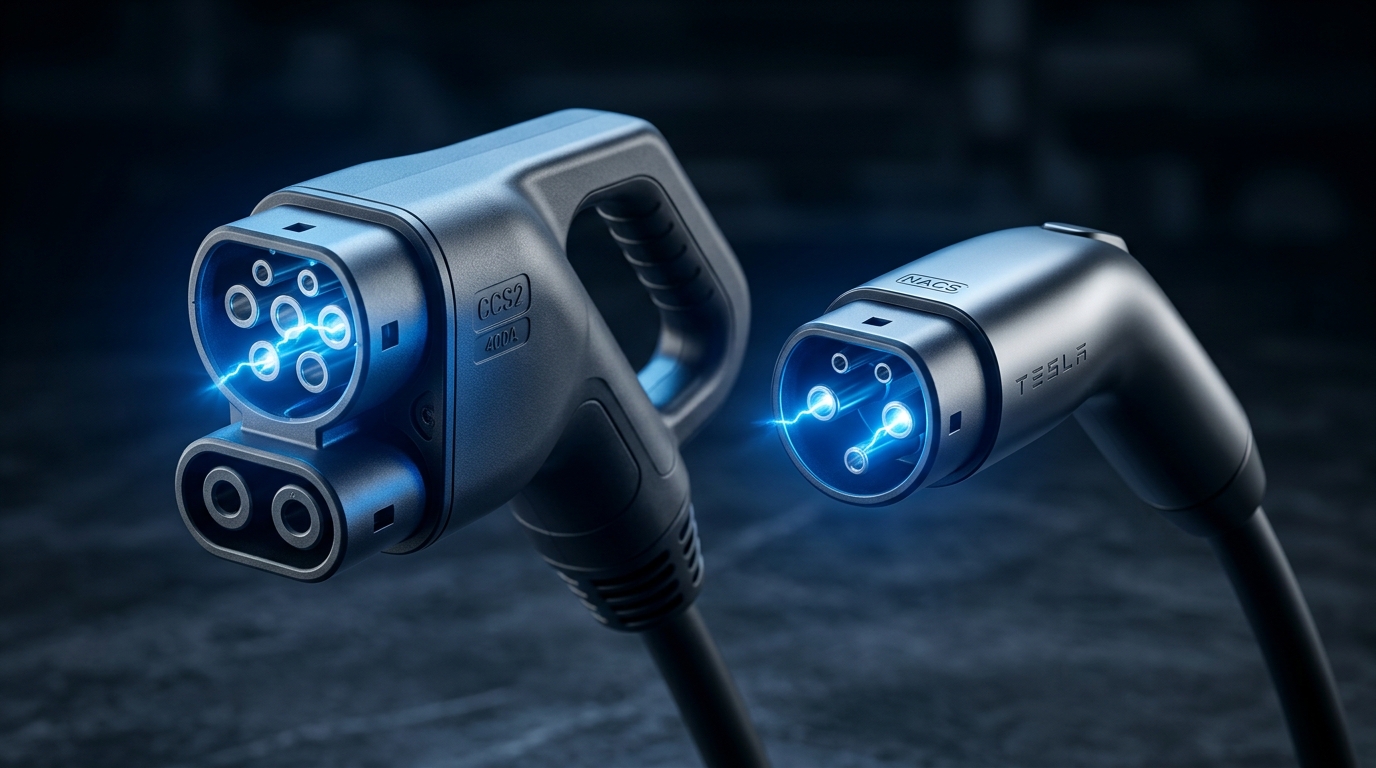
DC fast charging (Level 3) delivers the fastest charge rates, with modern systems capable of 150-350 kW peak speeds. The actual charging speed any specific EV achieves depends on the vehicle's maximum charge rate, the charger's output, and the battery's state of charge at the session's start. The Tesla Supercharger network remains the most reliable fast charging network in the US; Electrify America has expanded significantly but reliability complaints are higher.
Summary
What it is: A practical overview of the EV charging landscape in 2026 - network options, charging speeds, home installation considerations, and road trip planning.
Best for: Prospective EV buyers evaluating real-world charging logistics before purchase and current owners optimizing their charging habits.
Biggest cost/risk factor: Buyers without home charging access face meaningfully more complex charging logistics that require honest evaluation before purchase.
When to act: Research your specific charging infrastructure before purchase - route analysis tools are available from most major EV manufacturers and charging networks.
AutosAdvisor is not a licensed electrician or charging network provider. Charging network availability and speeds change. Verify current network coverage for your specific area and vehicle.