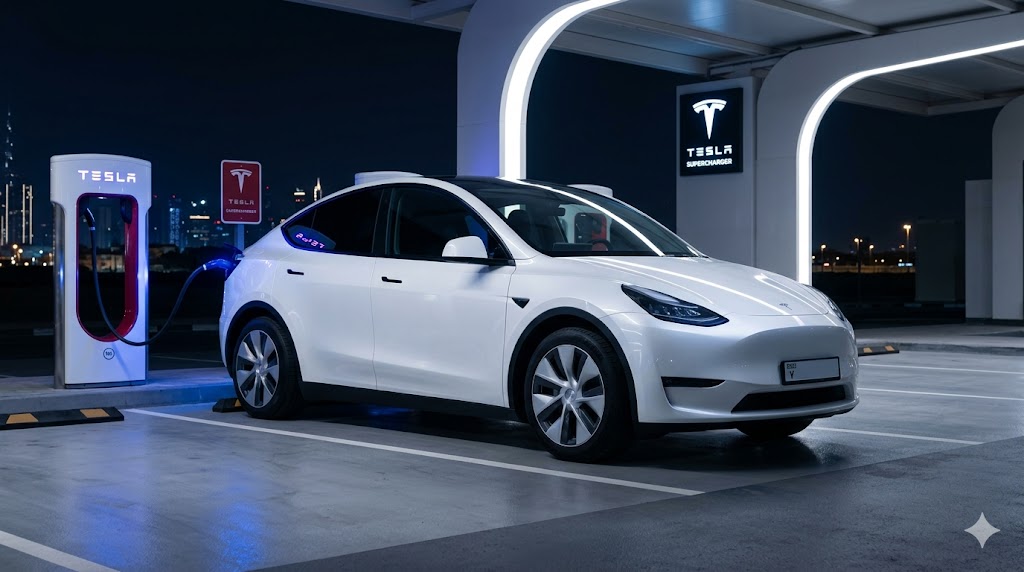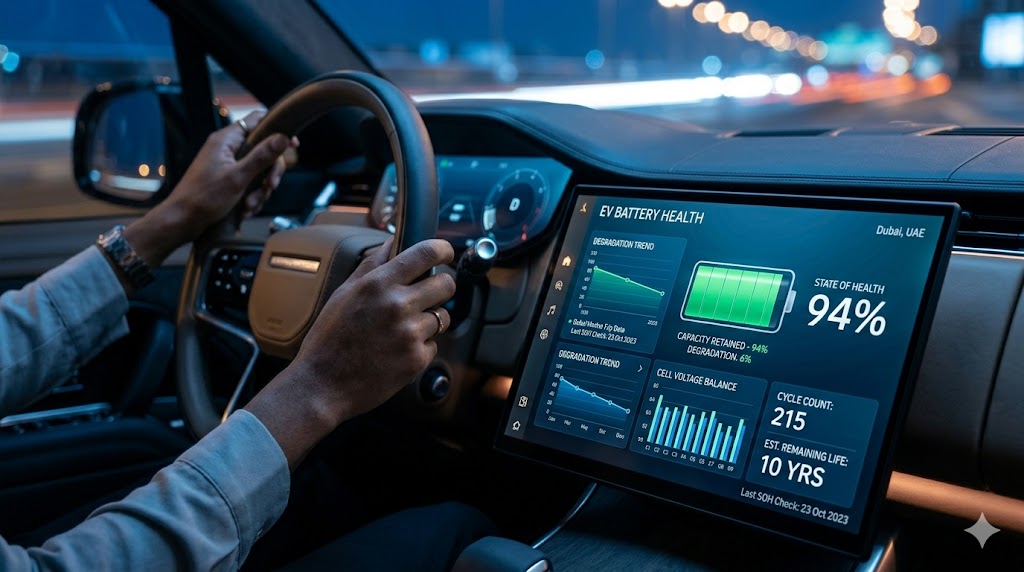

Battery degradation anxiety is one of the most persistent barriers to EV adoption among buyers who haven't yet made the transition. The concern is intuitive: lithium-ion batteries degrade over charge cycles, and a diminished battery in a car you're counting on for daily transportation is a problem that compounds over time. What's missing from most discussions of EV battery degradation is the actual data on how fast this degradation occurs in real-world conditions.
The data that exists - from Recurrent Auto's analysis of hundreds of thousands of EV charging records, from Plug In America surveys, and from emerging fleet data as early-adopter vehicles accumulate meaningful mileage - consistently shows a pattern that is less alarming than the intuitive fear suggests.
What the Data Shows
The most studied long-term EVs are early Tesla Model S and Model X vehicles, which have accumulated meaningful long-term mileage data. Analysis of these vehicles shows approximately 10-15% battery capacity loss over the first 150,000-200,000 miles for most vehicles, with the degradation curve steepening in the first 20,000-30,000 miles before flattening considerably. A battery that delivers 95% of its original capacity at 30,000 miles typically delivers 88-90% at 150,000 miles.
The practical implication: a car rated for 300 miles of range new might deliver 270 miles at 150,000 miles. For most daily driving use cases, this remaining range represents no meaningful operational constraint.
Factors that accelerate degradation include frequent DC fast charging without intermediate Level 2 charging, consistently charging to 100% rather than the 80% recommended for daily use, and exposure to extreme heat without active thermal management. Modern EVs with liquid thermal management systems manage these factors significantly better than early EVs with passive cooling.
Nissan Leaf early generations, which used passive thermal management, showed considerably faster degradation than Tesla vehicles with active cooling - a distinction that makes the Leaf's early reputation for battery degradation a poor predictor for thermally managed modern EVs.
Summary
What it is: An analysis of real-world EV battery degradation data, covering how fast capacity declines, what accelerates it, and what it means for long-term ownership.
Best for: Prospective EV buyers concerned about long-term battery performance and total ownership cost.
Biggest cost/risk factor: Vehicles without liquid thermal management (primarily older Leaf generations) degrade faster in hot climates than thermally managed alternatives.
When to act: The degradation picture for modern EVs with thermal management is favorable enough that it shouldn't be a barrier to purchase - understand the specific vehicle's history before buying used.
AutosAdvisor is not a licensed EV technician. Battery performance data varies by vehicle, climate, and use patterns.