A cracked radiator cap and a puddle of orange fluid under a parked car taught a lot of owners the hard way that coolant isn't just colored water. What most of those same owners never learn until it's too late is that the coolant sitting in their engine right now might be a completely different chemistry than what was in their last car, with a completely different service life — and pouring in whatever's cheapest at the auto parts store can do more harm than good. The question of when to flush your coolant doesn't have one universal answer, and anyone who gives you a single number without asking what's currently in your system is guessing.
Coolant chemistry has diverged sharply over the past two decades, which is precisely why the old advice — flush every two years, no exceptions — no longer applies uniformly. Understanding which category your vehicle uses is the actual prerequisite to answering "when," and skipping that step is how people end up either flushing coolant that had years of life left or, worse, running degraded coolant far past the point where it's protecting anything.
Why Coolant Formulation Determines Everything
Traditional IAT coolant — the bright green fluid most associated with older American and some Asian vehicles — uses inorganic additives to fight corrosion. Those additives are effective but deplete relatively quickly, which is why IAT coolant has historically carried shorter service recommendations, often in the range of two to three years or a comparatively modest mileage figure, though you should confirm the specific number for your vehicle rather than assume.
OAT coolant, organic acid technology, represents the other end of the spectrum. This is the chemistry behind most Dex-Cool style orange, red, and pink coolants used widely in domestic vehicles since the late 1990s, and it's engineered specifically for extended service — commonly cited manufacturer intervals stretch to five years or well over 100,000 miles, though again, this varies by exact manufacturer specification and shouldn't be treated as a fixed universal rule.
HOAT and the newer hybrid variants (including phosphate-free formulations common in many European vehicles) sit in between chemically but often lean toward the longer-life end in practice, frequently appearing in yellow, blue, turquoise, or purple depending on the manufacturer's branding choices — and this is exactly where confusion causes real damage. Color is not a reliable indicator of chemistry across brands; two different manufacturers can use similar colors for chemically incompatible coolants. Mixing an OAT coolant with a traditional IAT coolant, or mixing incompatible OAT and HOAT formulations, can cause the corrosion inhibitors to react poorly with each other, sometimes forming a gel-like precipitate that clogs narrow passages in the radiator and heater core. This is the single most important reason to identify what's already in your system before adding anything, whether you're topping off or doing a full flush.
Reading the Real Signs That a Flush Is Due
Time and mileage intervals from your owner's manual are the starting point, but they're not the only signal worth watching. Coolant that's still well within its rated interval can visually tell you it's degrading: fresh coolant is typically bright and slightly translucent, while coolant nearing the end of its useful life often turns cloudy, develops a rust-brown tint even in formulations that started a different color, or shows visible particulate suspended in it. Any of those visual cues warrant a flush regardless of what the calendar says, because they indicate the corrosion inhibitors have broken down and the base fluid is now actively less protective than plain water in some respects.
A test strip — inexpensive and sold at any auto parts store — measures the coolant's reserve alkalinity and gives you a more objective read than eyeballing color, and it's worth using if your coolant is approaching its rated interval but you're unsure whether it's degraded early. Beyond visual and chemical testing, functional symptoms matter too: a heater that's stopped blowing consistently hot air, an engine that runs warmer than it used to under normal conditions, or a cooling system that needs frequent minor top-offs can all point to a system where old coolant has allowed scale or corrosion to build up inside passages, reducing heat transfer efficiency even before you see an overheating warning.
The Trade-Off Nobody Likes to Talk About
Flushing coolant that isn't due yet isn't harmless — it's simply wasted money and, ironically, a small amount of unnecessary environmental burden from disposing of fluid that still had useful life. Shops that push coolant flushes as a blanket recommendation at a fixed mileage, without checking what's actually in the system or how it looks, are optimizing for a sale rather than your car's actual condition. This is a real and common upsell, and it's fair to push back on it by asking what specifically indicates the flush is needed now rather than at your vehicle's specified interval.
The opposite failure mode is more expensive, though. Coolant that's run well past its useful life stops protecting aluminum and other metals in the cooling system from electrolytic corrosion, which can pit water pump impellers, damage radiator cores, and in worst cases, lead to head gasket problems if localized overheating occurs. A cooling system repair born from years of neglected coolant tends to cost far more than the flushes that would have prevented it. The right approach threads between these two failure modes: trust your manufacturer's interval as the default, but let visible degradation or functional symptoms override that default when they appear early.
Doing It Yourself: What the Process Actually Involves
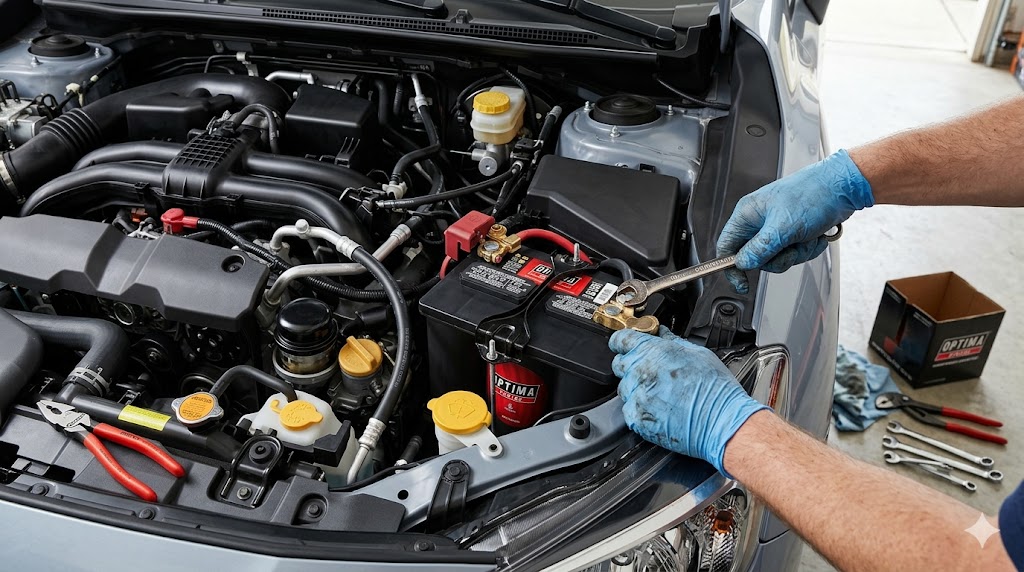
A DIY coolant flush is genuinely achievable for anyone comfortable working under the hood, provided you respect two non-negotiables: never open a cooling system on a hot or even warm engine, since pressurized hot coolant can cause severe burns, and always verify the correct replacement coolant type for your specific vehicle before buying anything.
Start with the engine completely cold, ideally after sitting overnight. Locate the radiator drain petcock, usually at the bottom corner of the radiator, and open it over a drain pan large enough to catch several quarts of fluid — coolant is toxic to pets and wildlife due to its sweet taste, so contain it fully rather than letting it run onto the ground. Many vehicles also have a separate drain point on the engine block itself, since a radiator-only drain leaves a meaningful amount of old coolant trapped in the block and heater core; check a service manual or reliable vehicle-specific resource for your engine's block drain location if you want a more thorough flush rather than a partial one.
Once drained, some DIYers do a plain-water flush cycle first — filling the system with distilled water, running the engine with the heater on high to circulate it, then draining again — to help clear out any remaining old fluid and light scale before introducing fresh coolant. This step is optional but genuinely useful if the old coolant showed signs of contamination.
Refill using the manufacturer-specified coolant type, pre-mixed with distilled water if you bought concentrate rather than a pre-diluted formula, and never use tap water, since its mineral content can contribute to scale buildup over time. Fill slowly through the radiator neck or the designated fill point, and squeeze the upper radiator hose periodically to help push trapped air bubbles out, since air pockets in the system are a common cause of persistent overheating after a home flush. Run the engine with the heater on and the cap off (or with the system's bleed valve open, if equipped) until the thermostat opens and coolant begins circulating, topping off as the level drops. Finish by checking the coolant level again after the car has fully cooled, since air pockets escaping over the first day or two of driving will often cause the level to need a final top-off.
Key Takeaways
- Coolant type — traditional IAT, OAT, or HOAT/hybrid — determines realistic service life far more than a single universal mileage number.
- Intervals commonly range from about two to three years for older-style coolant up to five years or 100,000-plus miles for extended-life formulations, but you must confirm your vehicle's specific spec.
- Cloudy color, rust tint, particulate, or a weak heater are signs a flush may be due even ahead of the scheduled interval.
- Never mix incompatible coolant chemistries, since the resulting reaction can clog narrow passages in the radiator and heater core.
- Flushing too early wastes money, but running degraded coolant too long risks corrosion damage that costs far more to repair.
- Bottom line: identify your coolant type, follow your manufacturer's interval as the default, and let visible or functional warning signs move up the timeline rather than guessing from a generic rule.