The moment you realize winter is a problem for your EV is usually the same moment your dashboard range estimate drops by triple digits overnight without you driving a single mile. That is not a malfunction and it is not your battery failing—it is lithium-ion chemistry and cabin heating physics doing exactly what they do in cold temperatures, and understanding the actual mechanism is the difference between panicking every winter and simply planning around a predictable, manageable effect.
Two separate things happen when temperatures drop, and conflating them is why so much winter EV advice sounds contradictory. First, the battery's internal chemistry becomes less efficient at moving ions when cold, which reduces how much usable energy you can pull from a given amount of stored charge and also slows how fast the battery can accept a charge. Second, and often the larger factor in daily range loss, is that keeping the cabin warm and the battery within its ideal operating temperature range consumes energy that would otherwise go toward moving the car forward, and unlike a gasoline engine, which has enormous waste heat to spare for the cabin, an EV has to generate that warmth using the same battery pack that powers the drivetrain.
The chemistry problem versus the heating problem
It helps to treat these as genuinely separate issues because the fixes differ. The chemistry-based efficiency loss is largely unavoidable and is a property of how lithium-ion batteries behave at low temperatures; you cannot engineer your way around basic electrochemistry with driving habits. What you can influence is how much of your battery's energy budget gets diverted to heating rather than propulsion, and this is where the majority of practical, everyday range recovery actually happens.
Resistive cabin heaters, the simplest and most common type, work like a household space heater, converting electrical energy directly into heat, and they are relatively energy-hungry compared to the alternative. Heat pump systems, now standard or optional on a growing number of EVs, work more like a refrigerator running in reverse, extracting ambient heat and concentrating it rather than generating heat from scratch, and they use meaningfully less energy to produce the same cabin warmth, particularly in moderately cold rather than extreme conditions. If you are shopping for an EV with winter performance as a real priority, checking whether a model uses a heat pump versus a purely resistive system is one of the more consequential, underappreciated spec differences between competing vehicles.
Preconditioning while plugged in is the single highest-leverage habit
The most effective single habit for fighting winter range loss is preconditioning the cabin and battery while the car is still connected to a charger, ideally right before you plan to leave. Doing this draws the energy needed to warm the cabin and bring the battery up to temperature from the grid rather than from the battery pack itself, meaning you start your drive with a warm cabin and a battery already in its efficient operating range, without having spent any of your actual driving range to get there. Most EVs support scheduling this through the automaker's app, letting you set a departure time so the car warms itself up automatically before you walk out the door.
Skipping this step and instead blasting the heater the moment you start driving on a cold morning means every bit of that warm-up energy comes directly out of your range for that trip, compounding with the chemistry-based efficiency loss already working against you. The difference between a car that was preconditioned while plugged in and one that was not can be substantial on a genuinely cold morning, often noticeable enough to show up clearly in the trip's overall efficiency reading.
Seat heaters and steering wheel heaters are not a gimmick
Resistive seat heaters and heated steering wheels draw a small fraction of the energy that heating the entire cabin's air volume requires, which means leaning on them instead of cranking the cabin air heater is a genuinely effective range-saving strategy rather than just a marketing checkbox feature. Many EVs let you keep the cabin air heater set relatively low while relying on seat and steering wheel heat for the bulk of your personal warmth, and drivers who make this trade-off deliberately tend to see meaningfully better winter range than those who default to warming the whole cabin to a normal summer comfort level every trip.
This is a habit change more than a technology purchase, and it costs nothing beyond a slight adjustment to how warm you keep the air itself, making it one of the most accessible range-recovery strategies available to any EV owner regardless of which specific vehicle they drive.
Charging behavior changes in the cold too
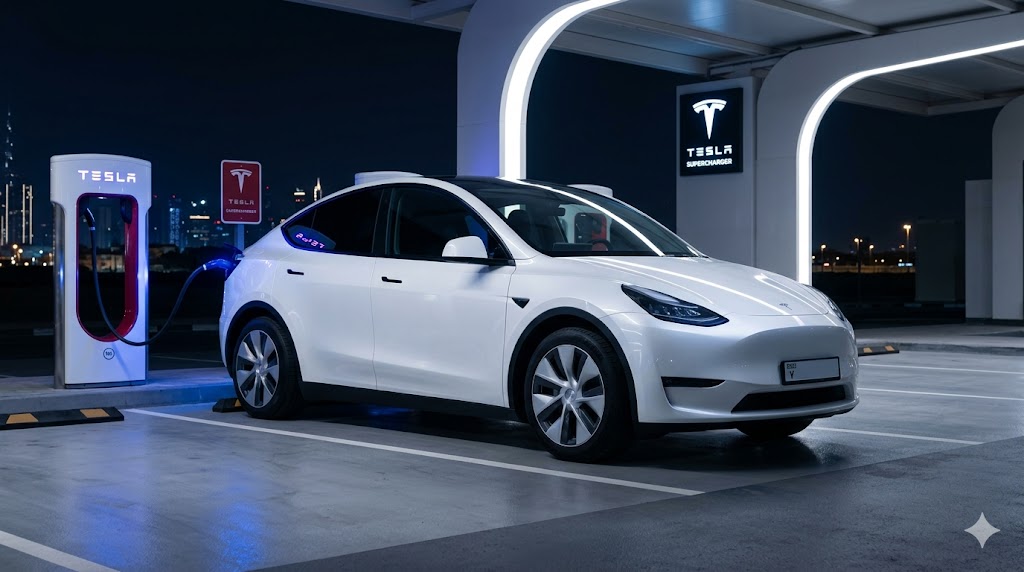
Beyond range while driving, cold weather also affects how efficiently you can recharge, which compounds the range problem on longer winter trips. A cold battery accepts charge more slowly on DC fast chargers, meaning the same public charging stop that took a certain amount of time in summer can take noticeably longer in winter, particularly if the vehicle has not had a chance to precondition the battery toward an optimal temperature before arrival. Vehicles that automatically precondition the battery when a fast charger is set as the navigation destination handle this far better than vehicles that do not, since they arrive at the charger with a battery already warmed toward its efficient charging range rather than needing to spend charging time simply warming up before the charge rate can climb.
For winter road trips specifically, this means budgeting extra time at fast chargers is a realistic expectation rather than a worst-case scenario, and setting your destination through the car's native navigation, rather than a third-party app that may not trigger preconditioning, is a small habit that pays off directly in shorter charging stops.
Realistic expectations, not panic
None of this means cold weather makes an EV impractical for winter use; it means winter range needs to be planned around rather than assumed away. Experienced EV owners in cold climates generally build in a buffer, expecting meaningfully reduced range on the coldest days and treating manufacturer range figures as summer, best-case numbers rather than year-round guarantees. Combining plugged-in preconditioning, disciplined use of seat and wheel heaters over full cabin heat, and realistic charging-time expectations on road trips turns winter from a source of anxiety into simply another set of habits, not fundamentally different from adjusting your driving for a gasoline car's worse winter fuel economy.
Key Takeaways
- Cold weather reduces EV range through two separate mechanisms: reduced battery chemical efficiency and energy diverted to cabin and battery heating.
- Heat pump climate systems use significantly less energy than resistive heaters and are worth prioritizing when shopping for cold-climate EV use.
- Preconditioning your cabin and battery while still plugged in is the single most effective habit for recovering winter range.
- Relying on seat heaters and a heated steering wheel instead of full cabin heat meaningfully reduces energy draw with no downside.
- Cold batteries charge more slowly on DC fast chargers, so budget extra time for winter road-trip charging stops.
- Bottom line: winter range loss is real and unavoidable to a degree, but disciplined preconditioning and heating habits can recover a substantial share of it.