
The story of Chinese EV brands and the American market is less about the vehicles you can currently buy and more about the vehicles that American and European manufacturers are being forced to build in response to Chinese competitive pressure. The tariff structure that effectively blocks most Chinese-manufactured EVs from the US market has not insulated American consumers from the influence of Chinese EV development - it has redirected it.
Understanding the dynamic requires separating the question of market access from the question of technological influence, because the answer to each is different.
The Current Tariff Reality
The US government has maintained and expanded tariff barriers on Chinese-manufactured vehicles over successive administrations, with rates on EVs reaching levels that make direct importation commercially unviable for most vehicles. The current tariff rate on Chinese EVs makes the economics of selling them in the US market extremely difficult even for manufacturers with genuinely competitive products.
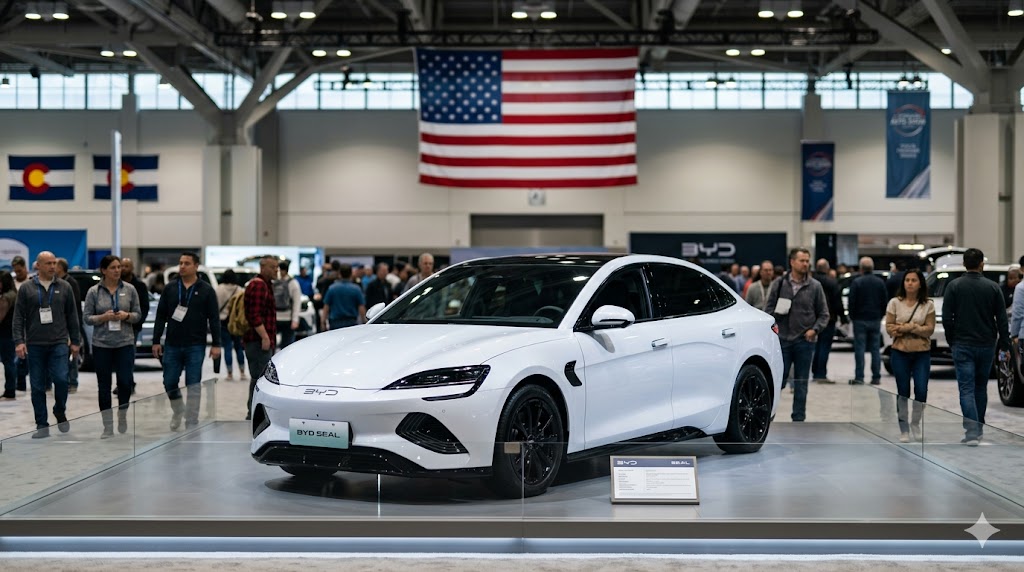
This doesn't mean no Chinese-manufactured vehicles reach the US market. Some manufacturers structure their supply chains to produce vehicles in countries with different trade relationships, allowing market access that direct Chinese manufacturing doesn't permit. BYD and several other Chinese manufacturers have announced manufacturing facilities outside China partly for this reason.
The Technology Transfer Effect
The more significant impact on American consumers has been indirect. Chinese manufacturers - BYD most prominently, but also CATL as a battery supplier to multiple global manufacturers - have demonstrated that EV costs can be lower than Western manufacturers assumed. Chinese manufacturers achieve battery costs that American and European competitors use as a benchmark to understand how aggressively they need to pursue cost reduction.
The vehicles American manufacturers are introducing at lower price points, with larger batteries, and with improved charging systems reflect competitive pressure from Chinese development that the tariff wall doesn't prevent from influencing product planning.
Summary
What it is: An analysis of how Chinese EV manufacturers interact with the US market through tariff policy, indirect technology influence, and competitive pressure on domestic manufacturers.
Best for: Buyers who want to understand why the US EV market is developing the way it is, and how international competition shapes the vehicles available domestically.
Biggest cost/risk factor: Tariff structures and trade policy change - buyers interested in specific vehicle categories should monitor regulatory developments.
When to act: This is context for understanding market dynamics rather than a direct purchase guide.
AutosAdvisor is not a licensed trade policy advisor. This content is analytical and educational.