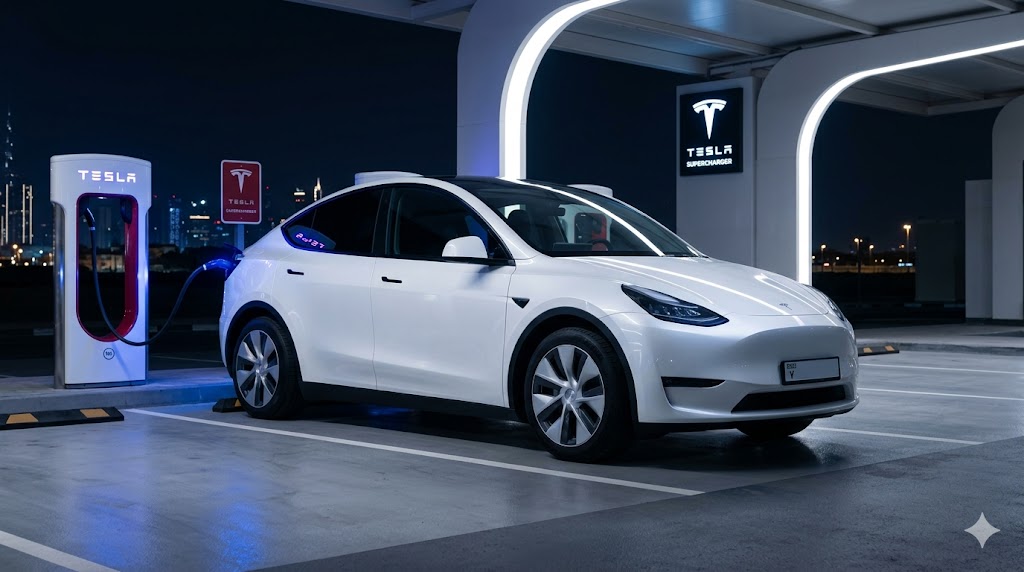
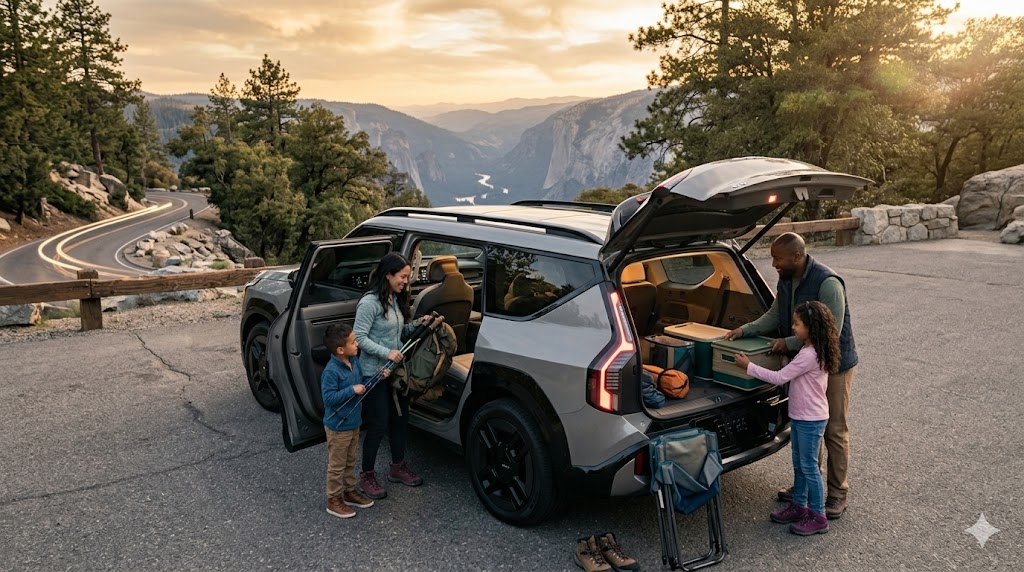
For years, the unspoken rule of electric vehicles was that affordability came with an asterisk: shorter range, thinner safety packages, and interiors that reminded you every mile that you'd bought the cheap option. That trade-off has been eroding steadily as battery costs decline and automakers compete harder for budget-conscious buyers who still want a car they can take on a real road trip. A wave of models now sold under or near the price of a well-equipped compact gasoline sedan deliver range that covers the vast majority of daily driving and weekend trips, paired with driver-assistance suites and structural safety engineering that wouldn't have existed on an entry-level EV a few model generations ago.
The claim worth testing directly is this: can you actually buy a low-cost EV today without giving up meaningful range or safety, or is "budget EV" still a euphemism for compromise? The honest answer is that the gap has narrowed dramatically, though it hasn't vanished, and knowing where the remaining trade-offs live is what separates a smart budget purchase from a disappointing one.
What "Low-Cost" Actually Buys You Today
The affordable end of the EV market now includes a real mix of body styles rather than just stripped-down hatchbacks. Compact crossovers like the Chevrolet Equinox EV and Hyundai Kona Electric sit alongside smaller hatchbacks such as the Nissan Leaf and Chevrolet Bolt EV, giving budget shoppers a genuine choice between cargo space and a smaller footprint rather than forcing everyone into the same shape of car. Several automakers have also begun offering stripped-trim versions of otherwise mid-range EVs specifically to hit a lower starting price, which means the base trim on some of these models comes with a smaller battery pack or fewer standard features than the version most reviewers test, so it's worth checking exactly which trim carries the advertised low price before assuming every configuration matches it.
Range on these vehicles has climbed to the point where most models in this segment can comfortably handle a typical commute plus errands on a single charge, with enough buffer left over for the occasional longer weekend trip, provided you're not regularly driving in extreme cold, which reduces usable range on any EV regardless of price point. The days of a budget EV topping out at a range barely sufficient for city driving are largely behind us, though the very cheapest trims of some models still carry smaller battery packs than their pricier siblings, so buyers chasing the lowest possible price should expect to give up some range as part of that trade, even if the car itself isn't unsafe or poorly built.
Safety Has Stopped Being the Line Item That Gets Cut
Historically, cost-cutting on economy cars often meant fewer standard airbags, a less rigid structure, or driver-assistance features locked behind expensive option packages. That pattern has largely broken down in the current EV market for a few structural reasons. First, regulatory crash-test requirements apply uniformly regardless of price, so a budget EV has to clear the same basic structural bar as a luxury one to be sold at all. Second, EV battery packs are typically mounted low in the floor, which lowers the center of gravity and tends to improve stability in ways that indirectly support better crash performance compared with a similarly priced gasoline car built on an older platform. Third, competitive pressure has pushed automakers to standardize features like automatic emergency braking, lane-keeping assistance, and blind-spot monitoring even on base trims, partly because independent safety organizations increasingly weight these features into their overall ratings, and a poor rating on a heavily marketed model can hurt sales more than the cost of including the hardware.
None of this means every budget EV scores identically. Crash-test results and safety-technology packages still vary meaningfully between models and even between trims of the same model, so checking current ratings from recognized independent testing organizations for the specific trim you're considering remains essential rather than assuming that "it's a new EV, so it must be safe." A base trim that omits a particular sensor package for cost reasons can perform differently on assisted-driving evaluations than a higher trim of the exact same vehicle, even though the two share a body structure.
Where the Real Trade-Offs Still Hide
The honest caveats live less in outright danger and more in convenience and long-term ownership friction. Budget EVs frequently use slower onboard chargers, meaning a public fast-charging stop takes longer to add meaningful range compared with pricier models built around faster charging hardware. If you plan to lean heavily on public charging for road trips rather than charging overnight at home, this difference in charging speed can matter more day-to-day than the headline range figure. Interior materials and infotainment systems on the least expensive trims also tend to feel noticeably simpler than what you'd find in a comparably priced gasoline car, since battery costs still eat into the budget available for cabin features even as prices have come down overall.
Resale value is another area worth watching closely, since the EV market has seen more volatility in used pricing than the traditional gasoline market, partly because rapid model-year improvements in range and features can make older EVs feel outdated faster than a comparable gasoline car would. This doesn't make a budget EV a bad purchase, but it does argue for thinking about total cost of ownership rather than sticker price alone, and factoring in that public charging infrastructure access varies enormously by region, which can affect how practical a lower-range budget EV actually is for your specific commute and lifestyle.
How to Shop This Segment Without Getting Burned
Start by mapping your actual daily and weekly driving pattern before you fall for a spec sheet. Most buyers dramatically overestimate how much range they need day to day, and a model with modest range but reliable at-home charging access will likely serve you better than a model with a bigger battery that you never fully need. Compare trims carefully within a single model line, since the jump from a base trim to the next one up sometimes unlocks a meaningfully larger battery or an upgraded charging rate for a price increase that's smaller than the improvement suggests.
Look beyond the manufacturer's own marketing for safety information, and check current ratings from independent crash-testing and safety-technology evaluation organizations for the exact trim and model year you're considering, since ratings can change between model years even when a vehicle looks unchanged on the outside. It's also worth test-driving a couple of competing models back to back, since the "budget EV" category now includes cars with genuinely different personalities — some prioritize cargo room, others prioritize a quieter ride or a more modern-feeling interior — and the right one for you depends on which trade-offs actually bother you in daily use rather than which one wins on a spreadsheet.
Finally, ask any dealer directly which incentives currently apply to the specific trim and configuration you're buying, since eligibility rules for tax credits and manufacturer incentives change over time and can meaningfully affect the real price you pay, and it's worth confirming current details with an official source rather than relying on a salesperson's summary or an outdated online article.
Key Takeaways
- Budget EVs have narrowed, but not eliminated, the historical gap in range and safety compared with pricier models.
- Regulatory crash standards and competitive pressure have pushed many automakers to include solid safety technology even on base trims.
- The lowest-priced trim of a given model often carries a smaller battery or slower charger than the version most reviews focus on, so check the specific trim.
- Slower charging hardware and simpler cabin materials are the most common real trade-offs, not outright safety compromises.
- Match the vehicle to your actual driving pattern and confirm independent safety ratings for the exact trim and model year before buying.
- The bottom line: a genuinely safe, usefully capable EV is achievable on a budget today, provided you shop by trim rather than by badge alone.