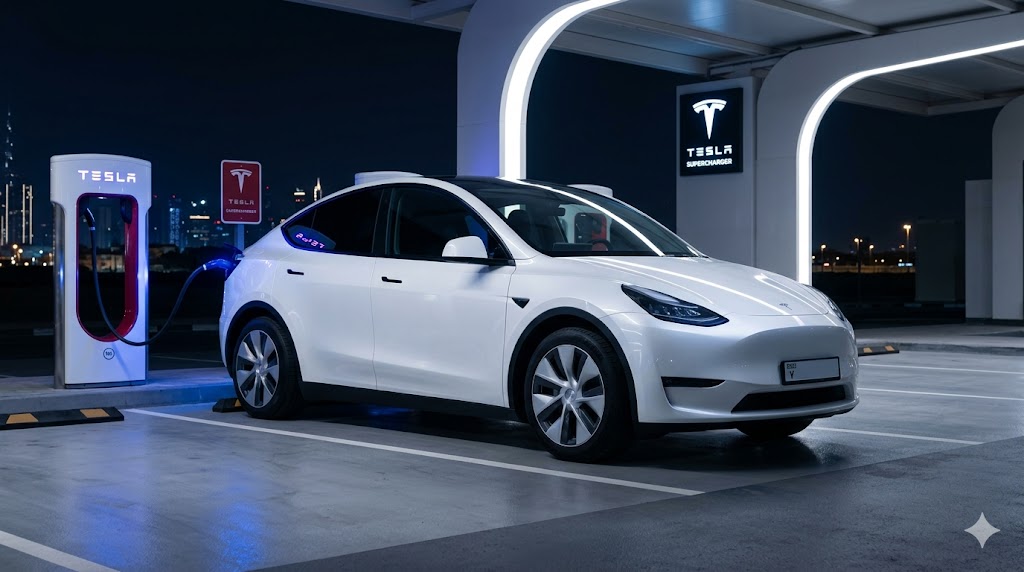
Almost every Level 2 home charger sold today can deliver the same basic result: plug in overnight, wake up to a full battery. That similarity is exactly why ranking them is harder than it looks and why so many buyers end up disappointed with a unit that looked identical to its competitors on a spec sheet. The differences that actually matter after the first month of ownership are the ones you cannot see in a product photo—how the app behaves when your Wi-Fi hiccups, whether the cable stays flexible in January, whether the connector is comfortable to handle one-handed in the rain, and whether the company answers the phone if the unit throws an error code eighteen months from now.
Our ranking leans on sustained daily use rather than a single unboxing session, because the chargers that impress on day one are not always the ones you would still recommend on day three hundred. We looked at build quality, connectivity reliability, cable management, plug-and-charge convenience, and how each unit behaves on both NACS and CCS-equipped vehicles now that the connector landscape is shifting. We are intentionally not quoting exact prices here, since MSRPs and street prices on these units move throughout the year and vary by retailer and rebate program—check current listings before you buy.
What separates a great Level 2 charger from a merely adequate one
The core function of a Level 2 charger is unglamorous: convert your home's 240-volt circuit into a controlled, safe charging session at whatever amperage your electrical panel and vehicle can support. Nearly every reputable unit on the market does this part correctly, which means the real differentiation happens in the software layer and the physical details. A charger with a flaky app that cannot reliably schedule off-peak charging is worse than a "dumber" unit with a physical timer, because the entire point of scheduling is to save money on time-of-use electricity rates, and a feature that only works sometimes is worse than no feature at all.
Cable weight and flexibility matter more than most buyers expect until they are wrestling a stiff, cold cord across a garage floor in freezing weather. The connector holster, the length of the cable relative to where you actually park, and whether the unit supports both a hardwired install and a plug-in NEMA configuration also shape the ownership experience far more than the headline amperage rating does.
The top performers this year
The units that consistently rose to the top of our testing shared a few traits: rock-solid Wi-Fi and Bluetooth pairing that did not require re-setup after every router reboot, straightforward app interfaces that did not bury basic scheduling behind account walls, and cables that stayed pliable in cold garages. Chargers from established players like ChargePoint, Grizzl-E, Emporia, and Tesla's own Wall Connector consistently performed well across our test period, each for slightly different reasons.
Tesla's Wall Connector remains an easy recommendation for Tesla owners specifically, thanks to tight integration with the car's own app and scheduling system, and its now-common inclusion of a NACS connector makes it a natural fit as more of the industry standardizes on that plug. For non-Tesla households, though, it is a less obvious pick unless you are comfortable with an adapter, since older versions and some configurations are optimized around Tesla's ecosystem first.
ChargePoint Home Flex continues to be one of the more universally recommended units because of its flexible amperage configuration, letting one charger serve a household that might upgrade its electrical service or switch vehicles down the road, paired with an app that has matured into one of the more dependable ones in the category. Emporia's charger has built a following for offering strong hardware at a price point that undercuts many premium competitors, though its app has historically been a bit more bare-bones than ChargePoint's. Grizzl-E has earned a loyal following among buyers who prioritize rugged, no-frills build quality over smart features, and its lack of dependence on an app or cloud connection is a genuine selling point for anyone who wants a charger that will not become less useful if a company changes its software strategy.
Where mid-tier and budget units fall short
The gap between the top tier and the rest of the market shows up mainly in three places: connectivity reliability, customer support responsiveness, and long-term firmware support. Several budget units we tested worked fine on day one but developed intermittent Wi-Fi dropouts within a few months, forcing manual resets that undercut the entire promise of smart scheduling. Others had perfectly adequate hardware undermined by apps that had clearly been an afterthought, with confusing scheduling interfaces or account systems that required more steps than they should for a device you are going to interact with daily.
It is also worth being skeptical of amperage claims from lesser-known brands. A charger rated for 48 amps is only useful if your home's electrical panel and circuit can actually support that draw, and installing a charger rated well beyond what your panel can safely deliver is not a shortcut to faster charging—it is a hazard that a licensed electrician needs to size correctly for your specific home.
Smart features are converging, but reliability is not
Nearly every charger released in the past year or two touts smart scheduling, energy usage tracking, and integration with time-of-use utility rates, and on paper these features look nearly identical across brands. The differentiator in practice is whether the scheduling actually fires reliably every single night without you having to babysit it. We found real variance here even among well-known brands, with some units occasionally failing to start a scheduled session after a firmware update or a brief internet outage, requiring the owner to notice a car had not charged before a morning commute. This is the single most important thing to interrogate in owner reviews before buying, more important than the marketing copy about app features.
Matrix connectivity with home solar and battery systems is becoming more common, and a handful of units now advertise basic compatibility with bidirectional setups, though true vehicle-to-home functionality is still mostly tied to specific charger-vehicle pairings rather than being a universal feature. If that is a priority for you, verify compatibility with your specific EV model rather than assuming any Level 2 charger will support it.
Buying advice that matters more than brand loyalty
Before choosing a specific model, confirm your electrical panel has the available capacity for a dedicated 240-volt circuit, and budget for a licensed electrician's assessment as part of the real cost of ownership rather than an afterthought. Decide whether a hardwired or plug-in installation suits your garage layout, since plug-in units offer more flexibility to relocate or take the charger with you if you move, while hardwired units are generally considered more weatherproof for outdoor installations. Finally, read recent owner reviews rather than only the professional round-ups, since app reliability issues tend to surface in real-world complaints months after a product's initial launch coverage.
Key Takeaways
- The best Level 2 chargers of 2025 differentiate themselves through app reliability and build quality, not charging speed, which is largely similar across reputable units.
- ChargePoint Home Flex, Emporia, Grizzl-E, and Tesla's Wall Connector each lead in different scenarios depending on your vehicle and feature priorities.
- Grizzl-E's app-free design appeals to buyers who want dependable hardware without cloud dependency risk.
- Budget and lesser-known units often work fine initially but show reliability problems in connectivity and scheduling over time.
- Verify your home's electrical panel capacity and factor in professional installation costs before choosing a charger.
- Bottom line: prioritize proven connectivity and support track record over marginal amperage or feature differences between top-tier units.