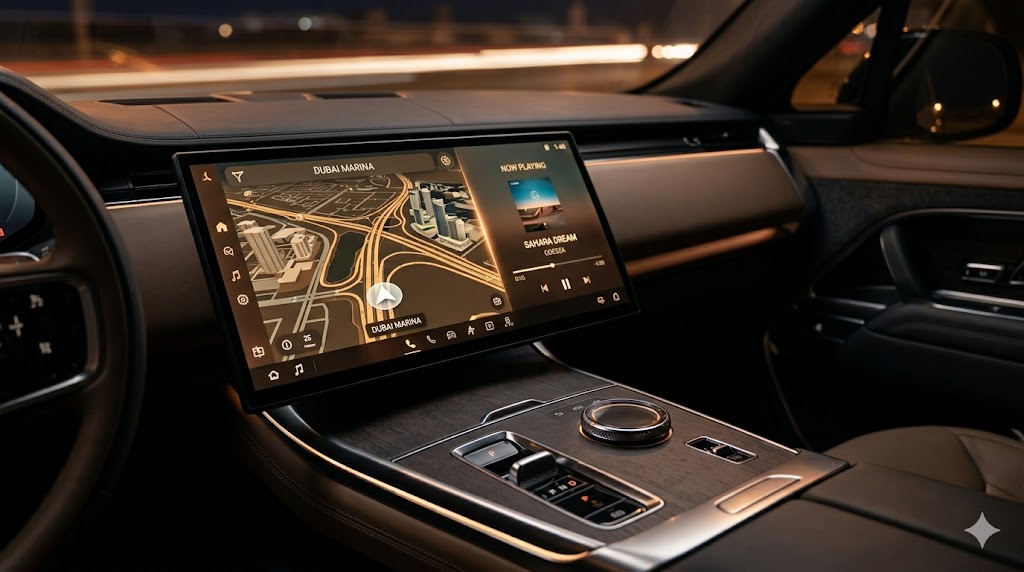

The car infotainment system has become one of the primary decision factors in new vehicle purchases, and one of the primary sources of owner dissatisfaction post-purchase. The gap between what infotainment systems promise and what they deliver in actual daily use has generated consistent complaints across manufacturer brands and price points for over a decade.
The root cause of poor infotainment design is consistent across manufacturers: prioritizing feature counts and visual sophistication over the practical requirements of a system operated by a driver whose primary attention must remain on the road. A well-designed infotainment system minimizes the time eyes are off the road to complete common tasks. A poorly designed one requires multiple menu levels, excessive confirmation steps, and visual search that extends eyes-off-road time to dangerous lengths.
The Evaluation Criteria That Actually Matter
Response latency - the time between touching or commanding the system and receiving a response - is the single most important usability metric. Systems that respond to input within 150-200 milliseconds feel instantaneous. Systems that take 400-600 milliseconds feel sluggish and generate repeated input attempts that create further delays. The best current systems achieve consistent sub-200ms response. The worst regularly exceed 500ms in common operations.
Physical control retention is the second critical factor. Systems that preserve physical knobs and buttons for climate and audio volume dramatically reduce distraction for common adjustments. The Toyota/Lexus decision to return physical controls after receiving customer complaints about their removal was the correct response to real usability data.
Apple CarPlay and Android Auto integration quality varies by manufacturer in ways the specifications don't reveal. Some implementations are seamless and full-featured; others have limitations around wireless connectivity, integration depth, or navigation display.
The Rankings
BMW's iDrive 8 leads the segment for systems that rely primarily on touchscreen operation, with fast response and logical menu organization. Hyundai/Kia's system is competitive at a lower average price point. Toyota's latest generation, with restored physical controls, is the most usable for common daily operations. Ford's SYNC 4 has improved substantially and represents strong value. Stellantis products lag in response time and menu logic consistency.
Summary
What it is: An evaluation of major manufacturer infotainment systems ranked by real-world usability criteria including response speed, physical control retention, and CarPlay/Android Auto integration.
Best for: Buyers for whom daily technology usability is a significant purchase criterion.
Biggest cost/risk factor: Systems that rank poorly in response latency don't improve meaningfully with use - the frustration compounds over ownership.
When to act: Use infotainment usability as a test drive evaluation criterion before purchase, not as a post-purchase discovery.
AutosAdvisor is not a licensed technology consultant. Evaluations reflect editorial assessment at time of publication.