Ask any EV owner in Minnesota, Michigan, or upstate New York what changes in January, and range will come up before anything else. Cold temperatures slow the chemical reactions inside a lithium-ion battery, thickening the electrolyte and increasing internal resistance, which means the battery simply can't deliver energy as efficiently as it does in mild weather. Layer on the fact that cabin heat in an EV has to come from the same battery that powers the wheels, unlike a gas car where waste engine heat is free, and you get a vehicle that can lose a meaningful chunk of its warm-weather range on a genuinely cold day. The real story for cold-climate buyers isn't whether this happens, because it happens to every EV to some degree. It's that the size of the penalty and the comfort of the cabin while it happens vary a lot between models, largely based on one specific piece of engineering: whether the vehicle uses a heat pump or a simpler, more energy-hungry resistive heater.
That single design choice, heat pump versus resistive heating, does more to separate cold-weather-friendly EVs from the rest of the pack than almost any other spec. A heat pump moves ambient heat into the cabin rather than generating it from scratch electrically, which is dramatically more efficient in moderately cold conditions, though efficiency drops as temperatures get extremely low. A resistive heater, by contrast, works like a space heater, converting electricity directly into heat, which is simple and reliable but pulls meaningfully more energy to produce the same warmth. Models that include a heat pump as standard or optional equipment, including many current Tesla models, the Hyundai Ioniq 5 and Ioniq 6, the Kia EV6, and the Chevrolet Equinox EV and Blazer EV in certain configurations, generally hold onto more of their rated range in cold weather than comparable models relying solely on resistive heat. Always check the specific trim and model year, since heat pump availability has shifted across configurations and isn't guaranteed across an entire model line.
Why Cold Hits Range Before It Hits Heat
The order of operations matters here. Before you even turn on the cabin heater, a cold battery is already working less efficiently than a warm one, which is why some range loss happens on a cold start even with the climate control off. This is a chemistry issue, not a design flaw, and it affects every lithium-ion EV on the market to some extent, regardless of brand or price point. What differs between models is how well the vehicle manages the battery's temperature before and during driving. Vehicles with active thermal management systems, which circulate coolant to keep the battery within an optimal temperature band, tend to cope with cold starts better than those with more passive thermal management, because the battery spends less time operating outside its efficient range.
Battery preconditioning is the feature that matters most here and is worth asking about specifically when you're comparing models. Preconditioning warms the battery pack to an optimal temperature before you start driving or before you arrive at a DC fast charger, and vehicles that do this automatically when a charging stop is entered into onboard navigation tend to charge noticeably faster in cold weather than those that don't precondition, or that require you to manually trigger it. This is a real, practical difference for winter road trips: two EVs with similar cold-weather range could still have very different real-world charging experiences at a highway fast-charging stop if one preconditions intelligently and the other doesn't.
Heat Pumps in Practice: Which Models Get It Right
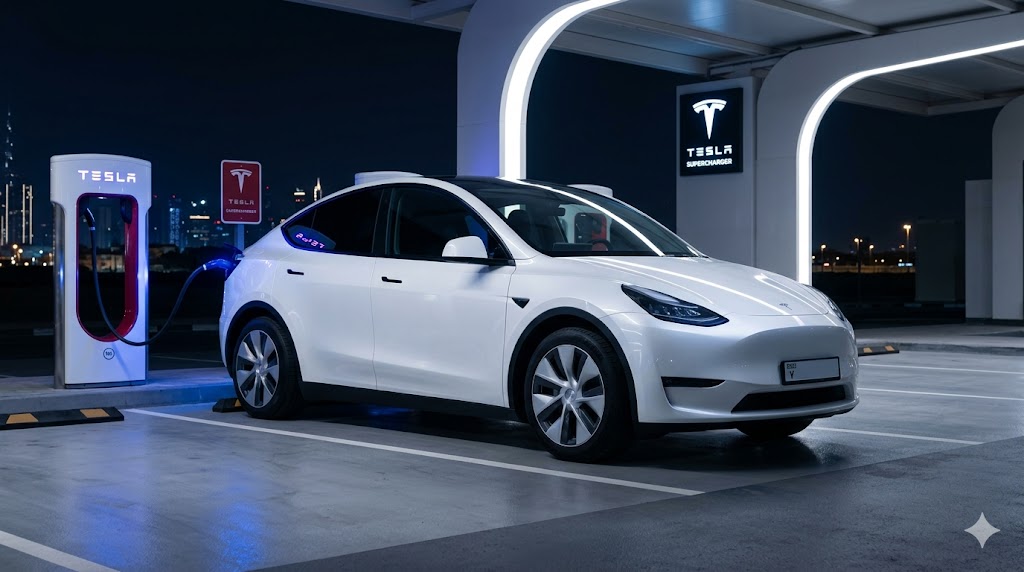
A heat pump alone doesn't guarantee a great cold-weather experience, because how a manufacturer integrates it with the rest of the thermal system matters as much as having the part at all. Tesla has offered heat pump systems across most of its current lineup, and owner-reported cold-weather range retention for models like the Model Y and Model 3 has generally been solid relative to the segment, though Tesla's own range estimates, like every manufacturer's, are generated under specific test conditions that don't fully reflect real winter driving. Hyundai and Kia's dedicated EV platforms, including the Ioniq 5, Ioniq 6, and EV6, have also built in heat pump technology and have generally been well regarded for cold-weather performance in independent owner and reviewer testing, helped by efficient overall powertrain design that leaves more of a cushion to absorb winter losses.
On the domestic side, the Chevrolet Equinox EV and Blazer EV, along with the Ford Mustang Mach-E in certain trims, have offered heat pump options, though availability has varied by model year and trim level in ways that make it essential to confirm the exact configuration you're considering rather than assuming the feature carries across an entire lineup. Larger electric trucks and SUVs, including the Rivian R1S and R1T and the Ford F-150 Lightning, have their own thermal management approaches suited to their larger battery packs, and buyers cross-shopping these for cold climates should look specifically at how each brand describes its cold-weather software features, such as scheduled preconditioning while still plugged in, rather than assuming a bigger battery automatically means better cold-weather resilience. A bigger pack can mask range loss better simply by having more capacity to lose from, which isn't the same thing as being more efficient in the cold.
Cabin Comfort Features That Matter As Much As the Heat Source
Range retention isn't the only cold-weather consideration, and it's worth giving real weight to features that reduce reliance on the main cabin heater in the first place. Heated seats and heated steering wheels are far more energy-efficient ways to keep occupants comfortable than raising the temperature of the entire cabin, because you're warming the person rather than a large volume of air. EVs that make these features standard, or at least widely available, give cold-climate drivers an easy way to stay comfortable while dialing back the main climate control, which in turn helps preserve range. This is a case where a relatively low-cost feature has an outsized practical effect on winter ownership experience, and it's worth prioritizing over more marketable but less functionally relevant options when you're comparing trims.
Cabin preconditioning while still plugged in, sometimes tied to a scheduled departure time set through the vehicle's app, is another feature that matters more than it might seem. Warming the cabin and battery using power from the wall rather than the battery itself means you start your drive with a warm cabin and a warmer battery without having spent any of your driving range to get there. Most major EV brands offer some version of this today, but the sophistication of the scheduling and how well it integrates with navigation-based preconditioning for fast charging still varies, and it's a feature worth testing in person or researching through current owner reviews specific to winter climates before you buy.
What to Actually Check Before Buying for a Cold Climate
Given how much cold-weather performance depends on specific engineering choices rather than brand reputation alone, the most useful thing a cold-climate buyer can do is look past the headline range figure entirely. Confirm whether your target trim includes a heat pump, since it's sometimes bundled into a cold-weather package or optional add-on rather than standard equipment, and don't assume it carries over from a different trim or model year you read about. Look specifically for owner-reported winter range data from real cold-climate drivers, which tends to be more reliable than manufacturer range ratings for understanding what you'll actually experience, since EPA range testing doesn't reflect sustained sub-freezing conditions well. And pay attention to preconditioning behavior, both for cabin comfort while plugged in and for battery warming ahead of fast charging, since this affects your day-to-day experience far more than most buyers expect going in.
None of this means EVs are a poor fit for cold climates. Plenty of drivers in Minnesota, Alaska, and the Canadian prairies run EVs successfully through harsh winters every year, but they tend to be the drivers who understood the trade-offs going in, chose a model with strong thermal management, and adjusted their charging and preconditioning habits accordingly rather than expecting warm-weather range figures to hold steady once the temperature drops.
Key Takeaways
- Cold weather reduces EV range through battery chemistry effects and the energy cost of cabin heating, and this happens to every EV to some degree.
- Heat pump-equipped models, including many Tesla, Hyundai Ioniq, and Kia EV models, generally retain more cold-weather range than models relying only on resistive heating, though trim-level availability varies.
- Battery preconditioning before fast charging meaningfully improves cold-weather charging speed and should be checked as a specific feature, not assumed.
- Heated seats and steering wheels conserve more range than raising overall cabin temperature and are worth prioritizing in cold-climate trims.
- A larger battery pack can mask cold-weather inefficiency by absorbing losses better, which is not the same as being genuinely more efficient in the cold.
- Bottom line: for cold climates, prioritize confirmed heat pump availability, smart preconditioning, and real-world winter owner data over headline range numbers alone.