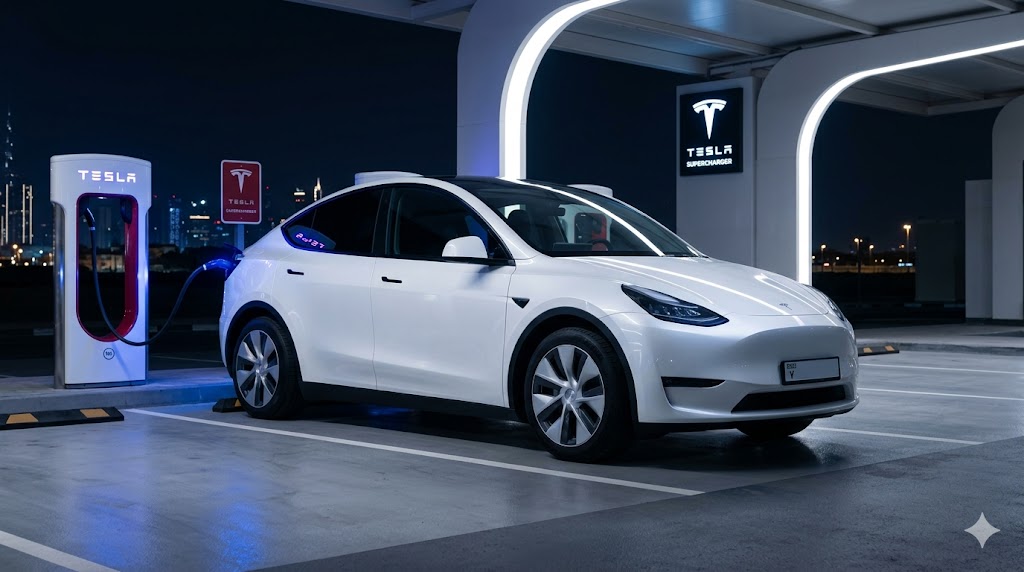
A few years ago, shopping for an affordable electric car meant picking the one compliance model your local dealer happened to stock, waiting months for it, and accepting whatever range and equipment came with it. That era is over. Walk into almost any metro-area dealer network today and you'll find several electric hatchbacks, sedans, and compact crossovers stickering under $40,000 before incentives, built by different automakers using different battery chemistries and different manufacturing strategies. The scarcity that used to define this price bracket has been replaced by something closer to an actual market, with real cross-shopping and real trade-offs between competitors instead of just between an EV and a gas car.
What Actually Changed to Make This Possible
The shift didn't happen because EVs got a onetime price cut. It happened because several structural forces landed at roughly the same time. First, battery cell costs have kept trending down as manufacturing scale increased and automakers diversified beyond a single chemistry. Lithium iron phosphate packs, which trade a bit of energy density for lower cost and longer cycle life, have moved from niche use into mainstream entry-level trims at multiple brands, and that alone has done more to open up the sub-$40,000 tier than any single new model launch. Second, competition itself is doing work that subsidies used to do alone. When only one or two credible affordable EVs existed, automakers had little pressure to sharpen pricing on base trims. Now that legacy automakers, Korean brands, and newer entrants are all fighting for the same budget-conscious buyer, base trims have become genuine loss-leader-adjacent products rather than afterthoughts bolted onto a lineup to satisfy emissions targets.
Third, the used and off-lease pipeline has matured. Early EV adopters who leased three years ago are now returning vehicles that automakers and dealers are funneling into certified pre-owned programs, and a well-maintained off-lease EV with a certified battery warranty can undercut a new gas car of similar size while still under $40,000. Fourth, incentive structures continue to move the effective price even when sticker prices don't. Federal and state credits, utility rebates, and manufacturer incentives change frequently and vary by income, vehicle assembly location, and battery sourcing rules, so two buyers looking at the identical car can end up with meaningfully different out-the-door costs. None of this means every EV is suddenly cheap. It means the under-$40,000 category has gone from a curiosity to a legitimate cross-shopping exercise, and that's a genuinely different shopping experience than existed even two or three years ago.
The Body Styles Worth Comparing
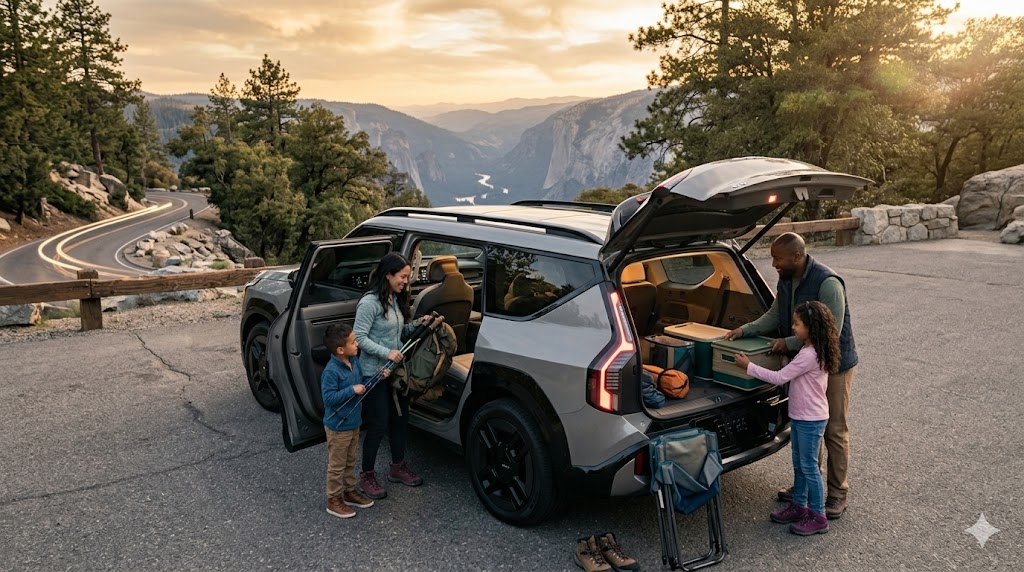
Most of the action in this price bracket sits in three body styles: compact hatchbacks, compact-to-midsize sedans, and small crossovers. Hatchbacks tend to be the most efficient use of the dollar, since automakers can package a smaller battery into a lighter body and still deliver adequate real-world range for commuting and errands. Sedans split the difference, often offering more interior room and a smoother highway ride at a modest efficiency cost. Crossovers are where the segment has grown the most, because American buyers overwhelmingly prefer the seating position and cargo flexibility, and several automakers have specifically engineered stripped-down crossover trims to hit this price target. The trade-off in crossovers is usually a smaller battery pack than the more expensive trims of the same model, which brings the price down but also brings range down, sometimes more than shoppers expect if they're comparing spec sheets against a loaded version they saw advertised.
Where the Corners Get Cut
Nothing in this price range is a full-featured flagship wearing a discount, and it's worth being honest about that. The most common compromise is battery size: the trim that gets a vehicle under $40,000 is frequently not the trim with the longest range in that model's lineup, and the range gap between base and upgraded battery options can be substantial. Charging speed is another area where base trims sometimes lag, with slower peak DC fast-charging rates that extend road-trip stops even if daily commuting is unaffected. Interior materials, driver-assistance suites, and infotainment hardware are also frequent targets for cost-cutting, so a base trim might ship with a smaller touchscreen, fewer active safety features as standard rather than optional, and cloth instead of the nicer trim materials shown in marketing photos. Wait times remain uneven, too. Some models are readily available on dealer lots, while others, particularly newer entrants or unusually popular configurations, still carry order backlogs that stretch the "under $40,000" deal further into the future than a buyer might like.
Reading Past the Sticker Price
Because incentives shift so much of the real cost, the sticker price alone tells you less than it used to. A vehicle priced at $39,000 with a federal credit, a state rebate, and a utility incentive for home charging equipment can end up costing meaningfully less out of pocket than a vehicle priced at $34,000 with no credits available, depending on where it was assembled, where its battery components were sourced, and the buyer's own tax situation. Leasing has also become a popular workaround for shoppers who don't qualify for purchase incentives directly, since some of those incentives can be applied at the lease level regardless of buyer income. This is genuinely more complicated than shopping for a gas car, and the rules governing eligibility have changed more than once in recent years, so treat any number you see in an ad or a forum post as a starting point rather than a guarantee. Always verify current pricing, current range estimates, and current incentive eligibility directly with the automaker and with your state's energy or tax authority before you assume a specific out-the-door number.
How to Actually Shop This Segment
Start by being honest about your daily driving pattern rather than shopping for a number on a spec sheet. If your commute and typical errands fit comfortably within a shorter range with margin for a bad-weather day, a smaller-battery base trim can be the smarter financial choice, freeing up budget for options that matter more to daily life than range you'll rarely use. If you regularly drive longer distances or don't have reliable home charging, it's worth stretching toward a trim with a bigger pack or faster charging even if it pushes closer to the $40,000 ceiling. Test drive more than one body style before committing, since the efficiency advantages of a hatchback or sedan over a crossover are real but so is the practical value of crossover cargo space and ride height for many households. And treat any advertised price as a mid-negotiation opening point, not a final number, because dealer markups, regional incentive differences, and manufacturer promotions can move the effective price by thousands of dollars in either direction depending on timing and location.
The Bigger Picture for 2025 Shoppers
The most important shift isn't any single model, it's that shoppers now have leverage they didn't have before. When there was essentially one credible affordable EV, automakers set the terms. With a genuinely competitive field of hatchbacks, sedans, and crossovers all fighting for the same budget-conscious buyer, dealers have more incentive to negotiate, automakers have more incentive to keep base trims genuinely useful rather than intentionally hobbled, and buyers have more room to walk away from a deal that doesn't work. That doesn't erase the trade-offs inherent to entry-level trims, but it does mean the sub-$40,000 EV shopper of 2025 is in a fundamentally stronger position than the same shopper was even a couple of years back.
Key Takeaways
Falling battery costs, wider adoption of LFP chemistry, and intensified competition among automakers have turned sub-$40,000 EVs into a genuine multi-model category rather than a single compliance car. Off-lease and certified pre-owned EVs are adding meaningful supply to this price bracket as early adopters roll out of their leases. Federal, state, and utility incentives can shift the effective price significantly, but eligibility rules change often and vary by income, assembly location, and battery sourcing, so verify current terms before assuming a number. Base trims that hit this price point often carry smaller batteries, slower charging, or a lighter feature set than the versions shown in marketing materials, so read the specific trim spec sheet, not just the model name. Hatchbacks and sedans generally deliver better efficiency per dollar, while crossovers trade some range for the cargo and seating flexibility most American buyers want. Bottom line: this is now a real category worth cross-shopping across body styles and brands, but confirm current published range, pricing, and incentive eligibility directly from the automaker before you buy.