If your car rolled off the lot before May 2018, it almost certainly left the factory without a rearview camera, because that's when the federal requirement mandating them in new vehicles took effect in the United States. That means millions of perfectly functional trucks, sedans, and SUVs on the road today are still relying on mirrors, over-the-shoulder glances, and guesswork when backing out of a parking spot or hitching up a trailer. The good news is that retrofitting a camera onto an older vehicle is one of the more accessible upgrades in the aftermarket world, and you don't need to replace the whole dashboard to get a meaningfully safer view behind you.
The confusing part is that "backup camera kit" covers a surprisingly wide range of hardware, from a five-dollar-feeling blister-pack camera to setups that rival what came standard on a modern crossover. Understanding the actual product categories, and where quality genuinely diverges from marketing copy, will save you from buying twice.
The Main Product Categories
Aftermarket backup cameras generally fall into a few distinct configurations, and picking the right one starts with knowing what you're actually installing into.
License-plate-frame camera kits are the most common entry point. The camera lens is embedded in a frame that bolts on where your rear plate already sits, which means no drilling into the bumper or trunk lid. These pair with either a dedicated small monitor or, in nicer setups, feed into an existing touchscreen head unit. They're popular precisely because the installation footprint is small and the camera housing looks close to factory.
Mirror-monitor combo systems replace or clip onto your existing rearview mirror, embedding a small LCD screen into the glass or beneath it. When you shift into reverse, the mirror display switches from a normal reflective mirror to a live camera feed, then reverts once you're back in drive. These are a strong option if you don't want an extra screen cluttering your dashboard, though the tradeoff is a smaller viewing area than a dedicated monitor.
Standalone monitor systems separate the camera and screen entirely, with the monitor typically suction-cupped or adhesive-mounted to the dash or windshield. This is the most flexible category because the camera can go on the bumper, tailgate, or even a trailer, and the monitor doesn't depend on any existing electronics in the car.
Then there's the category built specifically for towing: magnetic or temporary wireless camera units designed to be slapped onto a trailer's rear license plate area or tailgate for the duration of a trip and removed afterward. These trade permanence for flexibility, which matters if you tow occasionally rather than as a daily habit.
Wireless vs. Wired: What Actually Changes
This is the decision that most affects both installation difficulty and real-world performance, and it's where buyers most often get surprised after the fact. Wired systems run a physical video cable from the rear camera to the front monitor, typically routed through the trunk, along a door sill, and up to the dash or mirror. The upside is a rock-solid, lag-free video feed with no interference and no signal dropout. The downside is that running the cable is the single most labor-intensive part of the whole installation, especially on a sedan where you're fishing wire through tight body panels.
Wireless systems transmit the video signal over a short-range radio frequency to the monitor, eliminating the cable run entirely. This makes installation dramatically simpler, often reducible to mounting two components and connecting a power wire. But wireless transmission introduces image lag, and this is not a trivial spec-sheet footnote. Cheaper wireless systems can show a noticeable delay between what's happening behind your car and what appears on screen, which matters quite a bit when you're trying to time a stop before hitting a curb or a child's bicycle. Better wireless units minimize this lag substantially, but almost none are perfectly instantaneous the way a wired connection is. Wireless systems can also be susceptible to interference from other RF devices, and signal quality can degrade with distance or metal obstructions, which is worth considering on longer trucks or when the camera is mounted on a trailer well behind the tow vehicle.
Where Quality Really Diverges
Beyond the wired-versus-wireless question, a handful of factors separate a camera system you'll actually rely on from one you'll stop using within a month. Night vision quality varies enormously. Many budget cameras claim night vision capability but use a handful of weak infrared LEDs that illuminate only a few feet, leaving you with a grainy, nearly unusable image in a dark driveway. Better units use more capable low-light sensors and stronger IR arrays that produce a genuinely usable picture after dark, which matters most for anyone backing into an unlit garage or rural driveway regularly.
Waterproofing is another area where corners get cut. The rear of a vehicle is exposed to road spray, rain, and in colder climates, salt and slush, so a camera housing needs a legitimate weatherproof rating rather than a vague "water-resistant" claim. Look for cameras with a proper IP-rated enclosure, and be skeptical of ultra-cheap units that don't specify one at all, since camera failure from moisture intrusion is one of the most common aftermarket complaints.
Monitor size and resolution shape day-to-day usability more than most buyers expect going in. A tiny 3.5-inch screen with a low-resolution display can turn objects into indistinct blobs, especially in bright daylight glare, which somewhat defeats the purpose of adding the camera in the first place. Larger monitors in the 5- to 7-inch range with sharper resolution make it meaningfully easier to judge distance to a trailer hitch or a low curb, though they also take up more dash real estate and cost more.
Integration with Your Existing Head Unit vs. a Standalone Screen
If your car already has an aftermarket touchscreen stereo, or you're open to installing one, many backup cameras can feed directly into that screen instead of adding a separate monitor. This is generally the cleanest-looking and most integrated result, since the camera feed simply appears on the screen you already use for audio or navigation, automatically triggering when you shift into reverse. The installation complexity shifts toward wiring the camera into the head unit's reverse-camera input and running a wire to the reverse light circuit so the system knows when to switch views.
Standalone monitors remain the more universal option because they don't require you to already own or install a compatible head unit. They're also generally faster to install and easier to relocate or remove if you sell the car. The visual tradeoff is an extra screen on the dash that some drivers find cluttered, and a second point of failure that's independent of your stereo system.
Installation Reality: DIY vs. Professional
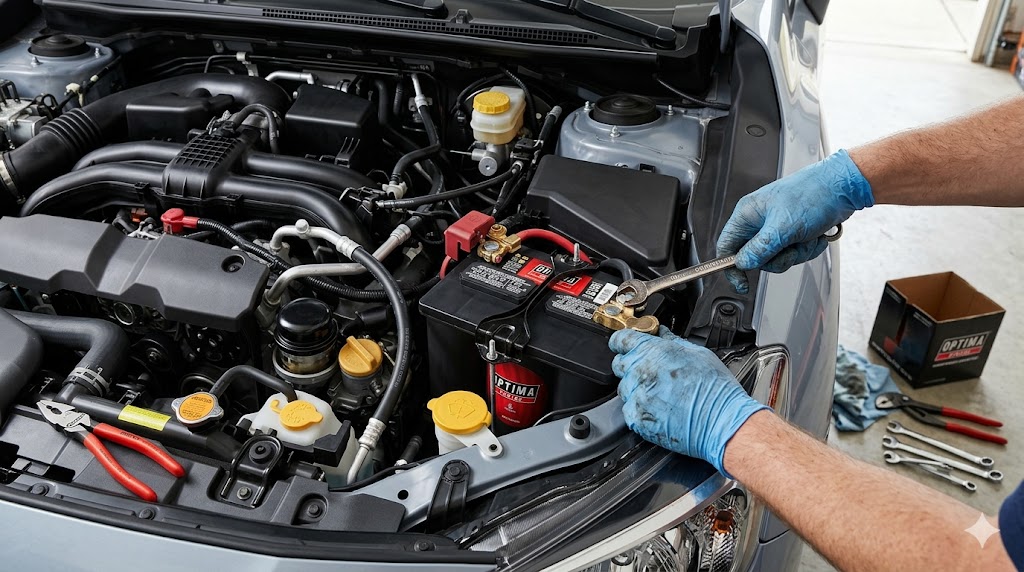
Magnetic and wireless plate-frame kits are genuinely approachable weekend projects for most owners with basic tools, generally requiring little more than a screwdriver, some zip ties, and patience running a power wire to a fuse or the reverse light circuit. Mirror-monitor systems are a step up in complexity since they usually involve some disassembly of the mirror housing or headliner wiring, and while doable, they reward a careful, methodical approach.
Wired camera-to-head-unit installations are where professional installation starts to earn its cost. Fishing a cable cleanly from the rear of the vehicle to the dashboard without leaving it exposed, pinched in a door jamb, or vulnerable to chafing takes real experience with vehicle wiring harnesses and trim removal. A rushed DIY wired install is a common source of intermittent camera failures down the road, so if you're not comfortable pulling interior trim panels, this is a reasonable place to pay a shop.
Matching the System to Your Vehicle and Budget
Budget-tier systems, generally the wireless plate-frame-and-small-monitor combos, make the most sense for owners who mainly want backup assistance for everyday parking and low-speed maneuvering in decent lighting. They're the easiest to install and most forgiving of a first-time DIY attempt, though you should expect noticeably weaker night performance and some image lag.
Mid-tier systems typically bring better waterproofing, sharper monitors, and improved low-light performance, and they're the sweet spot for most daily drivers who back into a garage after dark or want a system they'll trust for a few years without replacing.
Premium aftermarket setups, often wired, sometimes integrating with a new touchscreen head unit, deliver the closest experience to a factory system: minimal lag, strong night vision, and often additional features like distance guidelines overlaid on the image. These make the most sense for owners of larger trucks and SUVs who tow regularly, where precise depth perception around a trailer hitch has real practical stakes, or for anyone who simply wants the upgrade to feel seamless rather than bolted on.
Whichever tier you land on, matching the installation type to your own comfort with tools, and being honest about how much you'll actually use the camera at night or while towing, will do more for your satisfaction than any single spec on the box.
Key Takeaways
- Vehicles built before the 2018 federal mandate almost never have a factory backup camera, making aftermarket kits a worthwhile retrofit.
- Wireless systems are far easier to install but introduce image lag that wired systems avoid entirely.
- Night vision quality and waterproofing vary dramatically between budget and higher-tier units, and both matter more than most buyers initially assume.
- Camera feeds can go to a dedicated standalone monitor, a mirror-integrated display, or an existing touchscreen head unit, each with different installation complexity.
- DIY installation is realistic for wireless and plate-frame kits, while wired setups routed through the cabin often justify professional installation.
- Bottom line: choose a wireless budget kit for basic parking assistance, but step up to a wired, better-waterproofed mid- or premium-tier system if you tow regularly or back into dark spaces often.