
The 2026 automotive market enters the year with more inventory than any point since 2019, average transaction prices that have pulled back from their 2022 peaks but remain elevated relative to historical norms, and an EV transition that is progressing at a rate that satisfies almost nobody - too slow for environmental advocates, too fast for infrastructure providers, and too uneven in execution to develop reliable buyer expectations.
Understanding these dynamics is relevant to any buyer or seller in the market this year, because the conditions that prevailed between 2021 and 2023 - when dealer inventory was so constrained that cars sold at or above MSRP and negotiating room had essentially disappeared - no longer apply to most segments.
Inventory and Transaction Prices
New vehicle inventory has recovered to levels that give buyers negotiating position they haven't had in years. Days-to-turn statistics, which measure how long vehicles sit on dealer lots before selling, have extended meaningfully from the historically short periods of 2021-2022. Extended time on lot creates the financial pressure on dealers that generates negotiating room for buyers.
Average new vehicle transaction prices peaked in the high-$49,000 range in 2022 and have declined to the mid-$47,000 range. This is still historically high - in 2019, the average was approximately $37,000 - but the trajectory is toward normalization rather than further increases. Incentive spending by manufacturers has increased substantially, with factory cash, low-rate financing programs, and dealer support all returning to levels that create actual purchase opportunity.
The segments where prices remain most resistant to negotiation are those where supply remains constrained: popular full-size pickups, certain hybrid models where demand exceeds production, and specific luxury configurations. Where negotiating room exists most clearly is in mainstream sedans, entry-level crossovers, and EVs where manufacturer incentives have been deployed specifically to stimulate adoption.
EV Market Reality in 2026
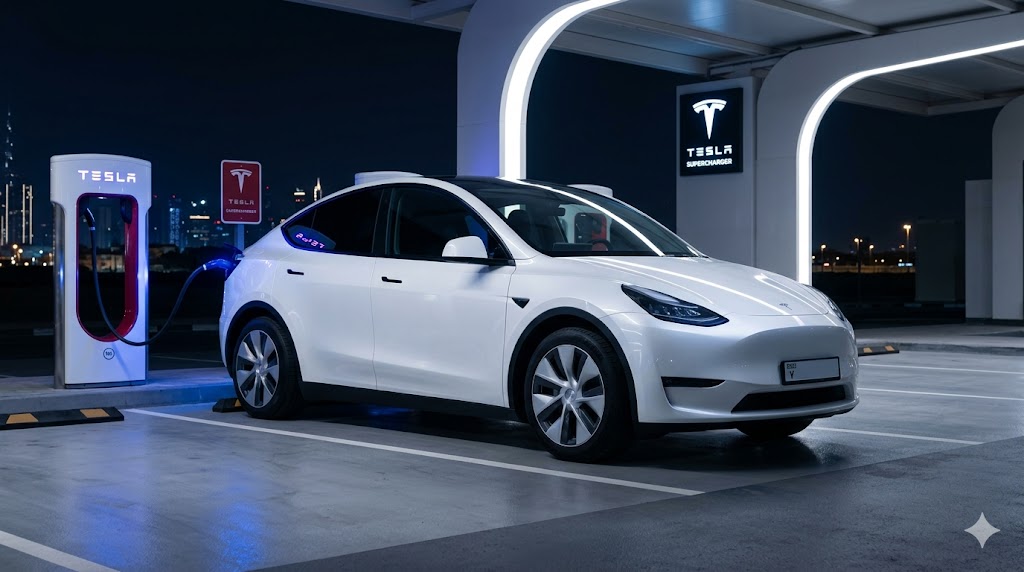
EV market share growth has continued, but the growth curve has moderated from the aggressive adoption projections that some analysts made in 2022 and 2023. The buyers who wanted EVs and had the infrastructure for them - primarily homeowners with charging access, higher-income buyers for whom range anxiety is a secondary concern - have largely entered the market. The next growth phase requires solving the charging infrastructure equation for apartment dwellers and lower-income buyers.
Used EV pricing has settled considerably from the distorted peaks of supply-shortage years. Buyers who declined to purchase used EVs when residuals were inflated now have a more rational market to navigate.
Summary
What it is: A current-conditions analysis of new and used vehicle markets, including pricing trends, inventory levels, and EV adoption data.
Best for: Buyers planning a vehicle purchase in 2026 who want context for negotiating position and market timing.
Biggest cost/risk factor: Generalizations about market conditions don't apply uniformly - specific segment and regional conditions vary significantly.
When to act: For most segments, 2026 offers more negotiating room than any year since 2019 - buyers who waited out the constrained market have timed it reasonably well.
AutosAdvisor is not a financial advisor and does not provide individual financial guidance. Market conditions change and this analysis reflects data available at publication.