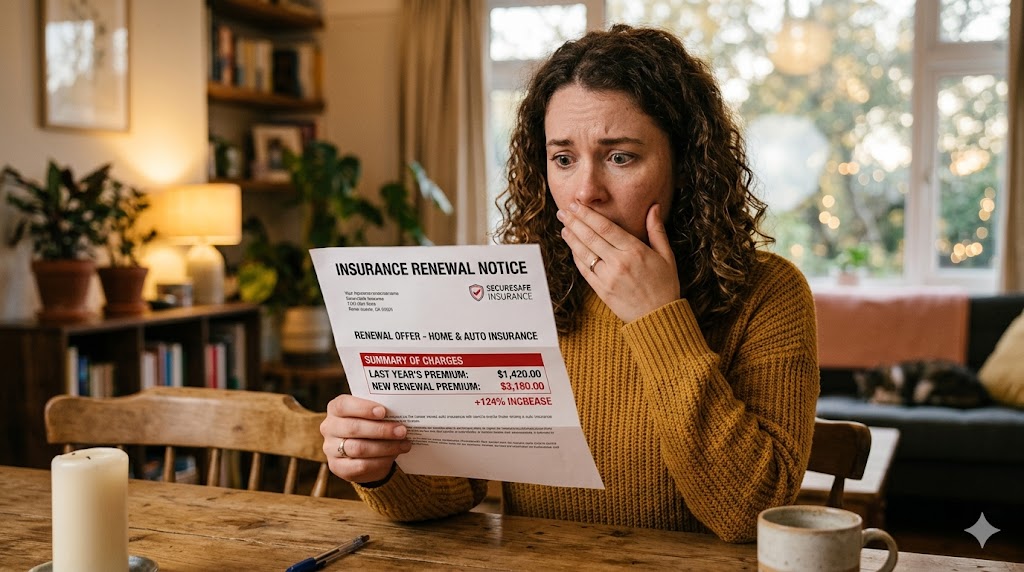

The average American driver's auto insurance premium has increased by meaningful double-digit percentages over the past two years, and the increases haven't been uniform across states, coverage types, or driver profiles. Some markets have seen premium increases exceeding 30% in less than 24 months. The reasons are structural and won't reverse quickly - but understanding them puts drivers in a better position to respond effectively.
This isn't a story about insurance company profit maximization. The industry's combined ratio - claims paid plus expenses divided by premiums collected - spent most of 2022 and 2023 above 100%, meaning insurers were paying out more in claims than they collected in premiums before investment income. The premium increases that followed reflect the industry correcting an underpricing problem that had been building for several years.
Why Insurance Costs Have Risen
Parts costs are the first driver. Supply chain disruptions that began during the COVID-19 pandemic created parts shortages that have partially resolved but not fully normalized. New vehicle parts costs, particularly for electronic components integrated into modern vehicle systems, are substantially higher than they were in 2019. A fender replacement on a new vehicle with parking sensors, cameras, and active safety hardware is not comparable in cost to the same repair on a vehicle from ten years ago.
Labor costs at repair facilities have increased substantially. Technicians with training on advanced driver assistance systems are scarcer and command higher wages. Repair times for modern vehicles with integrated sensors and electronics are longer than for simpler predecessors.
Used vehicle values reached historic highs during the supply shortage and have only partially normalized. Higher used vehicle values mean higher actual cash value payouts in total-loss claims - insurers pay more to replace what they insure.
Medical costs in at-fault liability claims have continued rising faster than general inflation. Attorney involvement in injury claims has increased in several major markets, which typically increases settlement values and extends claims timelines.
What Drivers Can Actually Do
The first response should be comparison shopping, but the timing of comparison shopping matters. Loyalty to one insurer has diminishing returns when your current insurer's rates have risen substantially and competitors are pricing at different levels. Getting competing quotes annually is now more important than it was when the market was stable.
Coverage configuration is worth reviewing when premiums increase. Increasing deductibles reduces premiums; the math on whether this makes sense depends on your emergency fund and your claim frequency history. Collision coverage on older vehicles with low actual cash value may cost more annually than the maximum payout would justify.
Bundling discounts, safe driver programs, and telematics-based pricing (where your actual driving behavior influences your rate) are all mechanisms that can provide meaningful savings for the right driver profile.
Summary
What it is: An analysis of the structural causes behind rising auto insurance premiums and practical steps drivers can take to manage their costs.
Best for: Drivers who have seen premium increases and want to understand whether the increases are negotiable or structural.
Biggest cost/risk factor: Accepting premium increases without comparison shopping is the most common and most expensive response.
When to act: At renewal - comparison shop at every renewal and review coverage configuration when rates increase substantially.
AutosAdvisor does not sell insurance and is not a licensed insurance agent. This content is general and educational. Insurance rates vary by state, driving history, and individual circumstances.