Park a Polestar 3 next to a Volvo XC90 and a Tesla Model X in the same lot, and you'll watch three different kinds of buyers gravitate toward three different cars, often without being able to articulate exactly why. That instinctive sorting is the entire story of the Polestar 3. It shares bones, software architecture, and even manufacturing plants with Volvo, and it competes directly against Tesla for EV shoppers with money to spend, yet it has spent its short life trying to convince the market it's neither of those things. The 2025 model year is the point where that identity project either clicks into focus or stays a permanent work in progress, and the answer turns out to be more encouraging than skeptics expected.
The core question worth asking isn't whether the Polestar 3 is a good SUV. It largely is. The question is whether "Polestar" means something distinct enough to justify existing as its own brand rather than just being sold as a sportier Volvo trim level, and whether that distinction is strong enough to pull buyers away from both its corporate sibling and the default EV luxury choice most shoppers still default to.
A Brand Built to Not Be Volvo
Polestar's origin as a performance offshoot of Volvo gives it a technical head start that most new automotive brands would kill for: access to a mature platform, established supplier relationships, and a manufacturing base that doesn't need to be built from scratch. The trade-off is the obvious skepticism that follows any sub-brand, namely that it's just a rebadge exercise dressed up with different marketing. The Polestar 3 works hard to answer that skepticism, and mostly succeeds, by leaning into a design language that reads as deliberately minimalist and Scandinavian in a different key than Volvo's own aesthetic. Where Volvo emphasizes family-oriented warmth and safety-first messaging, Polestar's cabin and exterior design lean colder, more architectural, and more obviously aimed at a buyer who wants their EV to look like a design statement rather than a wagon replacement.
That distinction extends to the driving character. The Polestar 3 is tuned with a firmer, more performance-oriented suspension setup than you'd find in a comparable Volvo SUV, and the steering has noticeably more weight and feedback. It's not a sports car by any stretch, but the intent is clear: Polestar wants to occupy the performance-luxury lane that Volvo has never seriously tried to claim. Whether that's enough differentiation to justify a standalone showroom experience is a fair question, but on the product itself, the two brands no longer feel interchangeable the way early Polestar models sometimes did.
Interior Philosophy: Minimalism as a Statement, Not a Cost-Cut
Step inside and the sub-brand identity keeps asserting itself. Polestar's interior design strips away much of the visual clutter you'd find in a typical luxury SUV, favoring a cleaner dashboard layout and a restrained color palette that leans heavily on darker tones and sustainable material choices. This is a deliberate positioning move: Polestar has built part of its brand story around more sustainable material sourcing, and the interior communicates that without needing a plaque on the dashboard to explain it.
The trade-off with this minimalism is a learning curve. Fewer physical buttons means more functions routed through the central touchscreen, and while the software is generally responsive, there's an adjustment period for anyone coming from a more button-heavy Volvo or a traditional luxury brand. It's a similar philosophy to Tesla's screen-centric approach, though Polestar hasn't gone quite as far in stripping away physical controls, keeping some tactile elements like volume and drive mode controls in place. That middle-ground approach is arguably one of the smarter identity choices the brand has made: minimalist enough to feel distinct from Volvo, but not so stripped down that it alienates buyers who find Tesla's interior philosophy too austere.
Where It Sits Against Volvo and Tesla
This is the heart of the matter. Against its own corporate sibling, the Polestar 3 justifies its existence primarily through positioning rather than dramatic engineering differences: a sportier drive, a more design-forward cabin, and a brand story aimed at buyers who want an EV that doesn't read as a family SUV first. If you want three-row practicality and Volvo's decades-deep safety reputation, the XC90 lineup still makes a stronger case. If you want a two-row luxury EV with a sharper driving personality and a more design-conscious cabin, the Polestar 3 earns its separate badge.
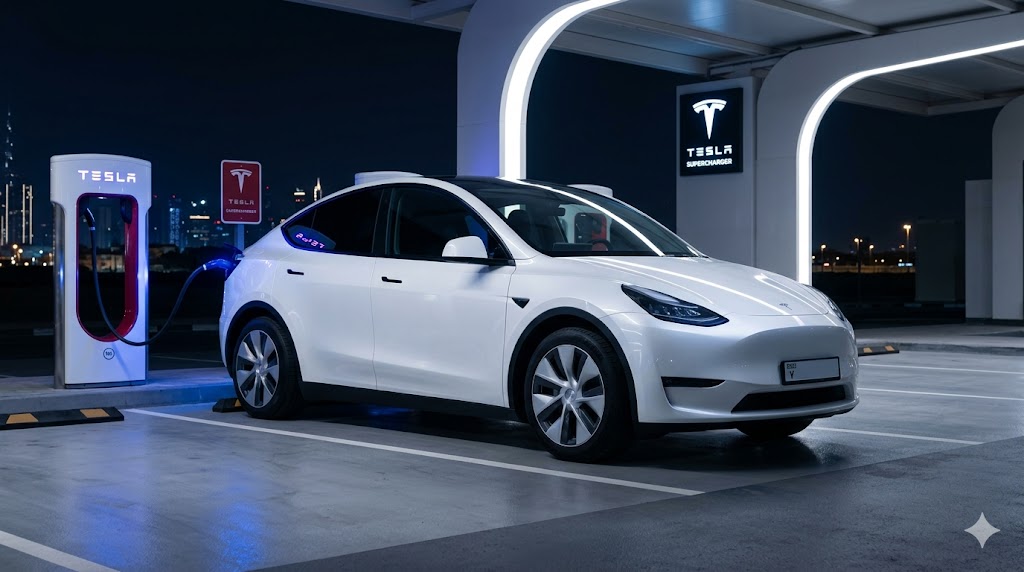
Against Tesla, the comparison gets more interesting. Tesla still holds real advantages in charging network access through the widely available Supercharger network and in raw software ecosystem maturity, areas where Polestar depends more heavily on third-party charging networks and a smaller, though improving, over-the-air update cadence. What Polestar offers instead is a more conventional luxury-car cabin experience, with materials and build quality that feel closer to traditional European luxury norms than Tesla's more utilitarian, tech-forward interior approach. For buyers who want EV performance without fully buying into Tesla's minimalist, gadget-first ethos, Polestar has carved a legitimate middle lane. It's not trying to out-Tesla Tesla, and that restraint is probably the smartest strategic decision the brand has made.
Range, Charging, and the Practical Trade-offs
On the practical side of ownership, the Polestar 3 delivers competitive range for the luxury EV SUV class, though exact figures vary by configuration and you should check current published EPA numbers for the specific drivetrain and wheel package you're considering, since larger wheel options tend to reduce real-world range noticeably. Charging speed is solid but not class-leading, and public charging infrastructure access remains a genuine consideration since Polestar owners are more reliant on the broader public charging network rather than a proprietary system, meaning your experience will vary considerably depending on where you live and how built-out your regional charging infrastructure happens to be.
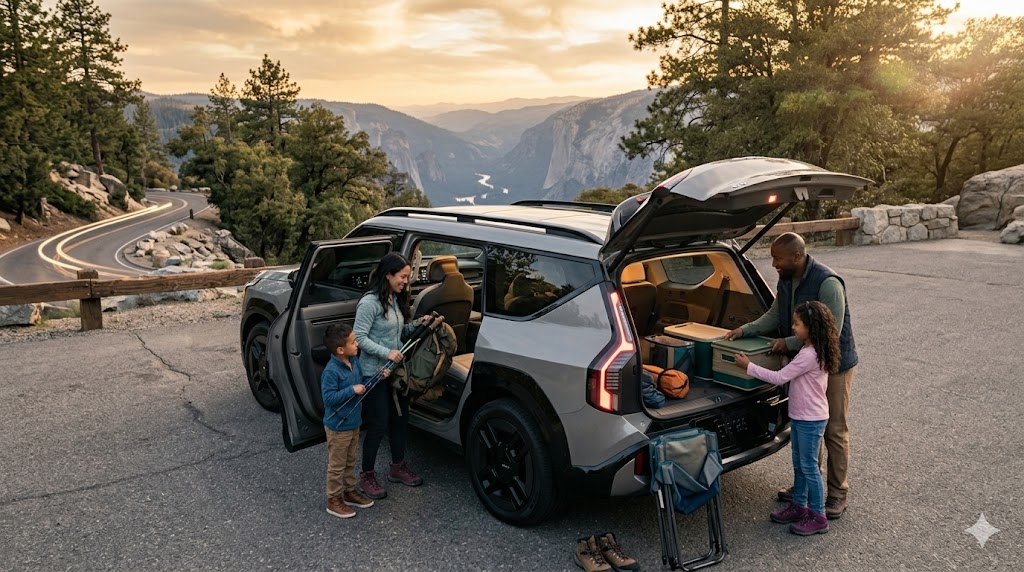
Cargo space and rear-seat room are competitive within the two-row luxury EV segment, though families cross-shopping against three-row options, including Volvo's own EX90, should recognize that the Polestar 3 is not trying to compete on interior volume. This is a trade-off buyers need to accept going in rather than discover after the fact: Polestar has chosen to compete on design and driving character rather than outright practicality, and that's a legitimate strategic lane but not one that suits every buyer.
Price and the Verdict on Brand Identity
Pricing positions the Polestar 3 solidly in the luxury EV SUV bracket, roughly competitive with premium offerings from established luxury brands, though you should verify current trim-level pricing and available incentives directly, since these shift frequently and vary by region. At this price point, the brand-identity question becomes a real purchasing consideration rather than an abstract one: you're paying for a distinct badge and design philosophy, not just a lightly reskinned Volvo, and the car largely delivers enough differentiation to make that premium feel earned rather than arbitrary.
Has Polestar found its audience? The evidence suggests yes, even if that audience is narrower than Volvo's or Tesla's. It's the buyer who wants EV performance and a design-forward cabin without fully committing to Tesla's software-first ethos, and who wants sportier dynamics than Volvo's own SUV lineup delivers. That's a real, definable niche rather than a marketing fiction, which is more than plenty of automotive sub-brands can claim after several years in the market.
Key Takeaways
The 2025 Polestar 3 succeeds in feeling meaningfully distinct from Volvo, thanks to sportier suspension tuning, sharper steering, and a more design-forward, minimalist interior. Compared to Tesla, Polestar competes with a more conventional luxury-cabin feel rather than trying to match Tesla's software ecosystem or Supercharger-level charging convenience. Charging and infrastructure access remain a real trade-off, since Polestar relies on third-party networks rather than a proprietary charging system. Cargo and passenger space trail three-row rivals like Volvo's own EX90, a deliberate trade-off for buyers prioritizing design and driving character over outright practicality. Pricing sits in the premium luxury EV bracket, and buyers should verify current trim pricing and range figures before comparing directly against rivals. Bottom line: Polestar has found a genuine, if narrow, identity as the performance-and-design-focused alternative to both its Volvo parent and Tesla, making the Polestar 3 a strong choice for buyers who want exactly that middle lane rather than a generic luxury EV.