Most Americans drive less to work each day than the 2025 Ford Escape Plug-in Hybrid can cover on electricity alone. That single fact reframes what this vehicle actually is. It isn't a hybrid with a bigger battery bolted on for marketing purposes — it's a commuter car that happens to carry a gas engine as backup. The EPA estimates the Escape PHEV at roughly 37 miles of all-electric range, and once you look at how far the typical American actually drives to and from work, that number stops being a spec-sheet curiosity and starts looking like the whole point of the vehicle.
What 37 Miles Actually Covers
Federal transportation survey data has consistently put the average one-way US commute somewhere in the neighborhood of 12 to 15 miles, and a large share of commuters travel considerably less than that. Do the math on a round trip and you land well inside the Escape PHEV's electric range for a huge portion of drivers, with room left over for a lunch run, a grocery stop, or a detour to pick up the kids. If your commute is short-to-moderate — the kind that describes a majority of American workers — you could plausibly do your entire weekday driving loop without the gasoline engine ever switching on.
That's a different proposition than a standard hybrid, which sips less gas but always burns some. The Escape PHEV, plugged in overnight, can start every workday with a full charge and finish it without visiting a pump. The gas engine stays available for the days that don't fit the pattern — a longer errand, a weekend road trip, a commute that runs longer than usual — but it's not doing the daily heavy lifting. For a two-car household where the Escape PHEV becomes the default commuter and the other vehicle handles longer hauls, the practical result is a dramatic drop in how often anyone in the family thinks about gas station stops at all.
It's worth being honest about the edges of that range, though. Cold weather saps electric range in any plug-in vehicle, heating and cooling draw down the battery faster than most people expect, and highway speeds burn through the electric buffer quicker than stop-and-go city driving does. A 37-mile rating is an EPA estimate under specific test conditions, not a guarantee you'll see in a January commute with the heat on and the highway merge doing 70 mph. Treat it as a best-case number that still comfortably covers a lot of real-world commuting, rather than a hard promise.
Charging Reality: No Fast-Charging, and That's Fine for This Use Case
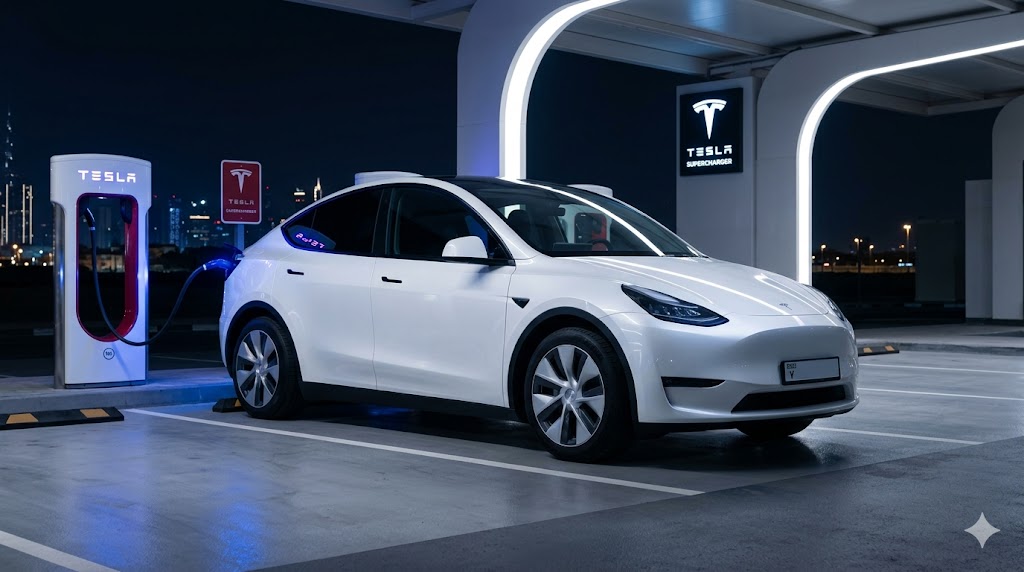
Here's the part that trips people up: the Escape PHEV cannot use a DC fast charger. That's not a Ford oversight — it's standard for plug-in hybrids across the industry, which are engineered around smaller batteries designed to be topped off slowly rather than blasted with high-power charging. You're limited to a standard household outlet or a Level 2 home charger, and the difference between those two matters more than it might seem.
On a regular 120-volt outlet, a full charge takes a stretch of hours that realistically means overnight charging, not a quick top-off between errands. Step up to a Level 2 charger — the kind an electrician can install in a garage, or that you might find at a workplace — and that charging window shrinks dramatically, often down to a couple of hours or less. For the commuting use case this vehicle is built around, that's the charging cadence that actually makes sense: plug in when you get home, unplug in the morning with a full battery, repeat. If you don't have access to home charging, or you live somewhere street parking is your only option, the math on this vehicle changes substantially, and you should think hard about whether you'd actually keep the battery topped off consistently enough to capture the gas savings the PHEV promises.
Driving Character: Quiet Around Town, Conventional Once Depleted
Around town, running on battery power, the Escape PHEV drives like an electric vehicle should — quiet, smooth off the line, with the kind of immediate torque response that makes stop-and-go traffic feel less tedious than it does in a gas-only car. This is where the vehicle is happiest, and it's also where most commuting actually happens: surface streets, traffic lights, parking lots, the unglamorous bulk of daily driving.
Push it onto the highway, or run the battery down past its electric range, and the character shifts. The gasoline engine and hybrid system take over the workload, and the Escape PHEV then drives much like its non-plug-in hybrid sibling — competent, reasonably efficient, but no longer offering the silent-EV experience that defines the first 37 miles. Ford doesn't publish dramatically different acceleration figures for this configuration that would justify citing exact numbers here, and you should check current published performance specs if that's a deciding factor, but the general takeaway holds across most plug-in hybrids of this type: the electric motor's punch is most noticeable at low speeds, and the sensation of effortless power fades once the engine is doing the work.
Cargo Space and Interior Trade-offs
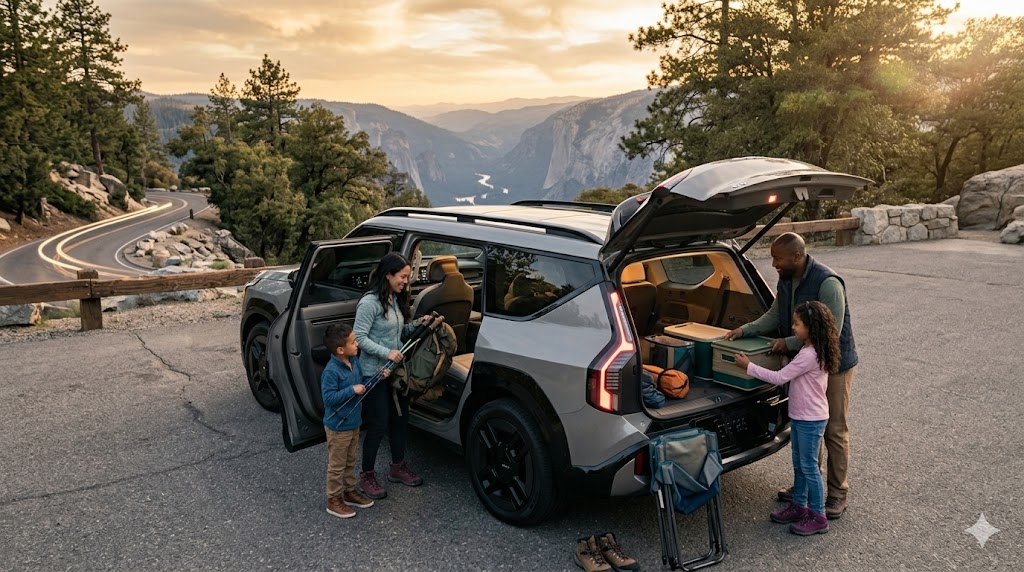
The battery pack has to live somewhere, and in the Escape PHEV that means underneath the cargo floor, which raises the load floor and eats into cargo volume compared with the standard gas or hybrid Escape. If you regularly haul bulky items, stroller-and-groceries combinations, or gear for weekend trips, it's worth sitting in the back and actually testing the space rather than assuming a plug-in Escape behaves identically to any other Escape. The rear seat and cabin dimensions are largely unaffected, but the trunk is the place where this powertrain's packaging trade-off shows up most tangibly, and it's a real compromise, not a footnote.
Value Versus the Standard Escape Hybrid
This is where the commuting-range story has to meet the checkbook. The Escape PHEV carries a real price premium over the standard Escape Hybrid, and historically Ford has restricted the plug-in variant to a narrower set of trims than the regular hybrid, so shoppers haven't always had the full trim ladder to choose from when going plug-in. You should look up current-year pricing and trim availability directly, since both have shifted before and will likely shift again, but the shape of the decision is consistent: you're paying more upfront for the ability to drive most commutes on electricity, plus whatever federal or state incentives might apply to a plug-in hybrid purchase in your area.
Whether that premium pays for itself depends heavily on your commute length, your access to home charging, and local electricity versus gasoline prices — variables that are personal enough that no review can answer them for you in the abstract. What the math tends to favor, though, is exactly the buyer this article opened with: someone whose round-trip commute sits comfortably under that 37-mile figure, who can charge at home overnight, and who wants the gas engine there as insurance rather than as the default. For a driver whose commute regularly exceeds the electric range, or who can't charge reliably, the standard Escape Hybrid is a simpler, cheaper way to get most of the efficiency benefit without the plug-in complexity or the cargo compromise.
Key Takeaways
The Escape PHEV's roughly 37-mile EPA electric range comfortably covers the round-trip commute of a majority of US drivers, meaning many owners could handle weekday driving without using gasoline. Real-world electric range will typically run shorter than the EPA estimate in cold weather, at highway speeds, or with heavy climate-control use. Home charging is essential to capturing the vehicle's value — a Level 2 charger makes daily top-offs practical, while relying on a standard outlet alone means overnight-only charging and no DC fast-charging option exists at all. Around-town driving on battery power feels smooth and quiet, but the driving experience reverts to a conventional hybrid feel once the battery depletes or you're sustaining highway speeds. The battery pack reduces cargo space versus the standard Escape Hybrid, and the plug-in trim carries a real price premium with historically more limited trim availability. Bottom line: if your commute fits inside the electric range and you can charge at home, the Escape PHEV is a genuinely compelling way to drive gas-free most days; if either condition doesn't apply, the standard Escape Hybrid is the more sensible buy.