Park a 2025 Chevrolet Equinox EV next to a gas Equinox in a parking lot, and most shoppers would walk past both without a second glance. That is precisely the point. For years, going electric meant either paying a premium for something like a Tesla or a luxury crossover, or accepting a small hatchback that announced its EV status with unconventional proportions and interior quirks. The Equinox EV breaks that pattern by doing something almost radical in its ordinariness: it looks, sizes, and prices itself like the compact SUV your neighbor already owns, not like a rolling statement piece.
That distinction matters more than it might seem. The people who bought first-generation EVs were early adopters willing to tolerate compromises and pay a premium for the privilege of going electric first. The Equinox EV is built for someone entirely different: a mainstream buyer cross-shopping a RAV4, CR-V, or Rogue, who wants an SUV that fits their driveway, their budget, and their commute, and who happens to be open to skipping the gas station if the switch does not require sacrifice. Chevrolet has positioned pricing in a genuinely accessible tier for the segment, with configurations aimed at buyers who would otherwise never have considered an EV a realistic option. You should always check current published pricing and available incentives, since these shift, but the intent behind the positioning is clear: this is an EV designed to compete on the same shelf as gas-powered compact SUVs, not above it.
Styling and Proportions Built for Familiarity, Not Attention
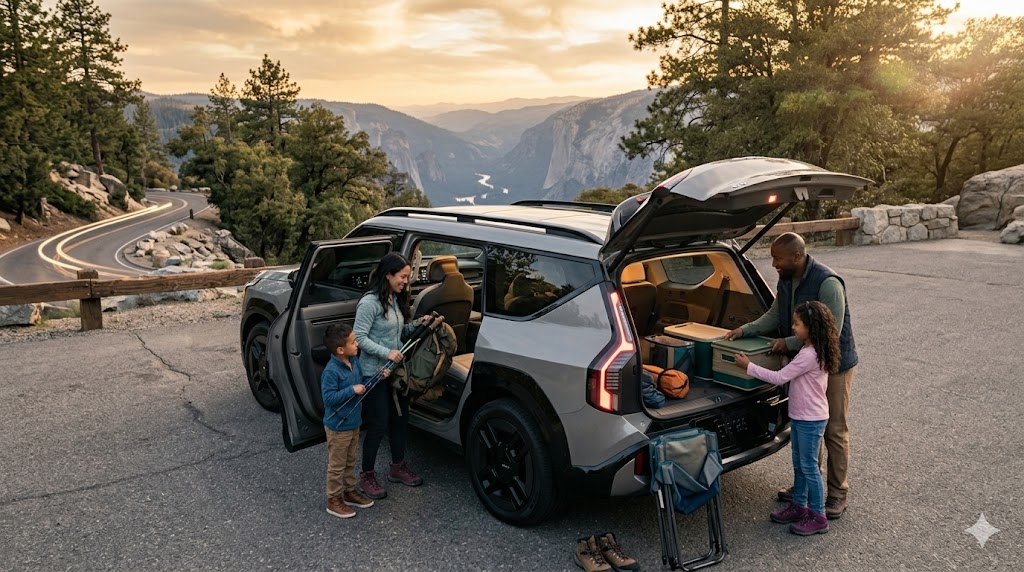
The Equinox EV's exterior design tells you everything about its mission before you even open the door. There is no aggressively swept fastback roofline, no faux-futuristic light bar spanning the front fascia, no lighting signature designed to make a statement at every stoplight. Instead, you get upright, sensible compact-SUV proportions: a tall greenhouse for good visibility, a conventional hatch-style rear end, and a stance that reads as "SUV" to anyone who has ever rented one at an airport counter. Chevrolet clearly decided that alienating mainstream buyers with polarizing design was a bigger risk than being called derivative. It is the correct call for this audience. Buyers moving away from gas compact SUVs are not looking for a design experiment; they are looking for something that will not confuse them, embarrass them, or draw unwanted attention in a school pickup line. The Equinox EV succeeds by being pleasantly unremarkable, and that quality is precisely why it can pull buyers who would never seriously consider a more visually daring EV.
Interior Quality, Space, and the Google Built-In Advantage
Step inside and the mass-market thesis continues. Materials are solid rather than lavish, with soft-touch surfaces where your hands and elbows actually rest and harder plastics lower down, a sensible trade-off rather than a cut corner. Cabin space is a genuine strength, with rear-seat legroom and cargo capacity that compete well against both gas and electric rivals in the segment, thanks in part to the flat floor that battery-electric architecture allows.
The standout feature, though, is the infotainment experience built around Google. Rather than a proprietary system you need to learn from scratch, the Equinox EV integrates Google Maps and Google Assistant natively, meaning route planning, charging-stop suggestions, and voice commands feel like an extension of the phone you already carry rather than a separate, clunky in-car ecosystem. The practical upside shows up on longer trips, when the navigation system can factor charging stops into a route without you needing a third-party app open on your phone. Access to a broader app ecosystem through the built-in system also means the car ages better over time, since it can receive updates and new app support rather than freezing in place the way older infotainment systems tend to. It is not a flashy selling point, but for buyers who just want their car's tech to work the way their phone already does, it is one of the most quietly persuasive reasons to consider this SUV over rivals still relying on more insular systems.
Driving Character: Composed, Not Thrilling
Get the Equinox EV moving and you will find exactly what the mass-market premise promises: competence over excitement. Acceleration is strong enough for confident highway merging and everyday passing, but this is not a vehicle chasing sports-sedan reflexes or bragging-rights acceleration numbers the way some EVs do. Steering is light and predictable, the ride is tuned for comfort over back roads rather than cornering enthusiasm, and cabin noise is well controlled, with the usual EV benefit of near-silent propulsion making the whole experience feel calmer than a comparable gas SUV. None of this will excite a driving enthusiast, and that is fine, because the Equinox EV was never built for that customer. It is built for someone who wants their SUV to disappear into the background of their day, handling school runs, grocery trips, and commutes without demanding attention or forgiveness. Judged against that goal, it is a quiet success. Judged against something like a performance-oriented EV, it will feel unremarkable, and Chevrolet clearly made peace with that trade-off.
Charging Reality: Competitive, Not Class-Leading
Range and charging are where the Equinox EV shows its most honest trade-offs. Total driving range is competitive for the class, enough for the vast majority of daily driving and reasonable weekend trips without anxiety. DC fast-charging capability is respectable and will get you a meaningful top-up during a highway stop, but it is not the fastest-charging vehicle in its segment, and buyers who cross-shop against certain rivals with quicker peak charging rates will notice the difference on long road trips. For the significant majority of owners who charge overnight at home on a level 2 setup, this gap barely matters in daily life; the car simply arrives full every morning. It becomes relevant mainly for road-trip-heavy households, where a few extra minutes at each fast-charging stop add up. Always verify current published charging figures, since software and hardware updates can shift these numbers over the vehicle's production run.
Weighing It Against the Competition, Electric and Gas
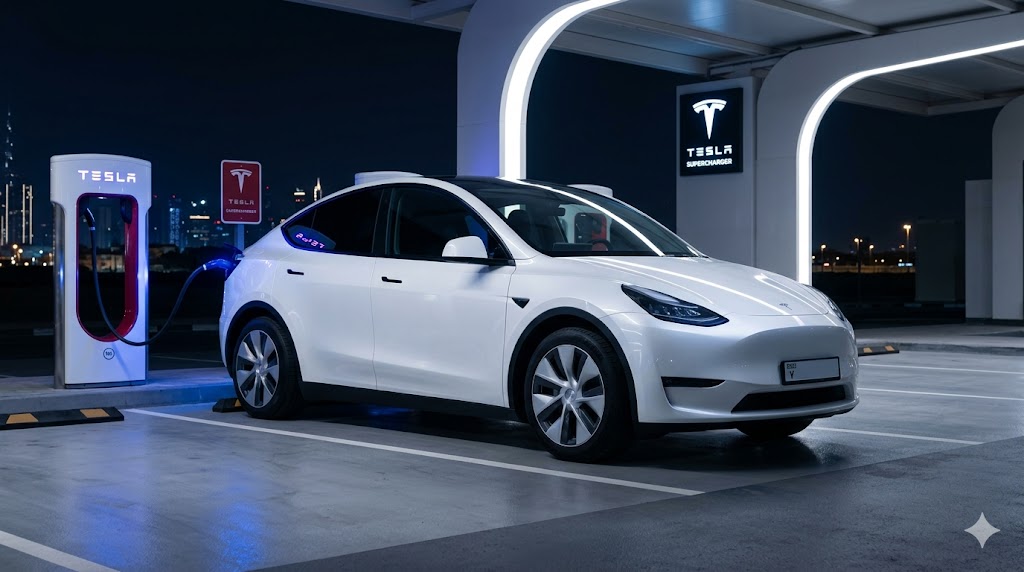
Against other mass-market-leaning EVs, the picture is nuanced. A Tesla Model Y still holds advantages in charging network maturity and outright efficiency. Hyundai's Ioniq 5 and Kona Electric bring sharper styling and, in some configurations, quicker charging, while a Volkswagen ID.4 offers a similar approachable-EV philosophy with its own interior and tech trade-offs. The Equinox EV's edge is less about beating any one of these on a spec sheet and more about approachability: familiar dealer networks, a nameplate buyers already trust, and pricing aimed squarely at the mainstream.
The more interesting comparison for most shoppers is against the gas-powered Equinox itself. The EV version delivers a noticeably quieter cabin, lower running costs over time, and the convenience of home charging for most trips. In exchange, you give up the two-minute refueling stop and universal fuel availability that make the gas Equinox simpler for infrequent long-distance drivers or anyone without reliable home charging access. Neither answer is wrong; it depends entirely on your driving pattern and charging access.
Key Takeaways
The 2025 Chevrolet Equinox EV succeeds by being deliberately ordinary, targeting mainstream compact-SUV buyers rather than EV enthusiasts. Its accessible pricing tier and familiar styling make it a rational cross-shop against gas SUVs like the RAV4 and CR-V, not just other EVs. The Google built-in infotainment system is a genuine strength, offering natural navigation and voice integration most rivals still lack. Driving dynamics are comfortable and composed rather than exciting, which fits its intended audience perfectly. Charging speed is competitive but not class-leading, a minor issue for home chargers and a bigger one for frequent road-trippers. If you want a low-drama first EV that feels like the gas SUV you already know, the Equinox EV is one of the smartest mainstream choices available today.