Sit inside a 2025 Lyriq at a dead stop and press the throttle, and you'll understand why Cadillac dealers say this is the car that changed the conversation. There's no delay, no drama, just an immediate, silent shove forward that feels genuinely premium rather than merely quick. For a brand that spent the better part of a decade promising an electric future and delivering mixed results — remember the ELR, a Volt in a tuxedo that nobody asked for — the Lyriq is the first Cadillac EV that doesn't feel like an apology. It feels like a statement.
That distinction matters because American luxury brands have struggled to crack the EV code in a way that actually rattles Mercedes, BMW, and Audi. Early attempts from domestic luxury nameplates often leaned on borrowed platforms, awkward proportions, or interiors that couldn't hide their compact-car origins. The Lyriq breaks from that pattern. It rides on GM's dedicated Ultium platform, built from the ground up as an EV rather than adapted from a gas car, and it shows in the proportions: long wheelbase, short overhangs, a low center of gravity that you can feel through the wheel. This is the first time in years that a Cadillac has looked and driven like it belongs in the same conversation as its European rivals, rather than being mentioned as the scrappy domestic alternative.
Design That Doesn't Apologize for Being American
Cadillac's styling language has always swung for the fences, and on the Lyriq that boldness finally pays off without tipping into excess. The vertical LED lighting signature, the crisp shoulder line, the way the greenhouse tapers toward the rear — it reads as confident rather than fussy. Unlike the brand's later gas-era sedans, which sometimes felt like they were chasing a design brief rather than setting one, the Lyriq's exterior looks purpose-built for the electric era. There's no fake grille pretending to feed an engine that isn't there, no visual apologies for what the car is.
Inside is where the "finally" really lands. Cadillac's interior teams clearly understood that competing with German luxury means competing on material quality, not just feature lists. The dashboard is dominated by a curved 33-inch LED display that wraps driver information and infotainment into a single visual plane, and the effect is more cohesive than the multi-screen approach some rivals still use. Open-pore wood trim, semi-aniline leather on higher trims, and a suede-like headliner all suggest someone at Cadillac finally studied an Audi interior line by line rather than glancing at it from across the showroom floor. The AKG-branded audio system, with speakers integrated into the headliner and door panels, adds a genuine sense of occasion rather than feeling like a box-checking exercise.
Driving Refinement: Quiet Confidence Over Raw Numbers
Cadillac has wisely avoided making the Lyriq's story purely about acceleration numbers, and that restraint suits the car. What stands out on a real drive is refinement: wind and road noise are impressively suppressed for the segment, the ride manages to be both controlled and comfortable, and the steering has a weighted, deliberate feel that doesn't try to mimic a sports sedan it was never meant to be. Rear-wheel-drive versions are lighter on their feet and feel like the purist's choice, while the available all-wheel-drive dual-motor setup adds a layer of composure and traction for buyers who want confidence in poor weather, at the cost of some of that lithe feel.
Braking regeneration is tunable but not aggressive by default, which makes the Lyriq easier to live with for drivers coming from gas cars than some one-pedal-only EVs. Cadillac clearly prioritized approachability over gimmickry here, and it's the right call for a brand trying to convert loyal gas-Cadillac owners rather than only chase EV early adopters. Range is competitive for the luxury midsize SUV class, though as with any EV, real-world figures vary with climate, wheel size, and driving style, so shoppers should check the current published EPA numbers for their specific configuration rather than assume all trims perform identically.
Where the Promise Still Falls Short
None of this means the Lyriq has fully closed the gap, and pretending otherwise would do readers a disservice. Cadillac's infotainment software, while visually striking, still shows occasional rough edges — menu logic that isn't always intuitive, and a Google-built-in system that's excellent for navigation and voice commands but represents a genuinely new architecture that's still maturing update by update. Buyers coming from a well-worn iDrive or MBUX system may need a short adjustment period, and it's worth noting the current-generation Lyriq does not support Apple CarPlay or Android Auto, a real friction point for anyone who has grown attached to phone mirroring in other cars.
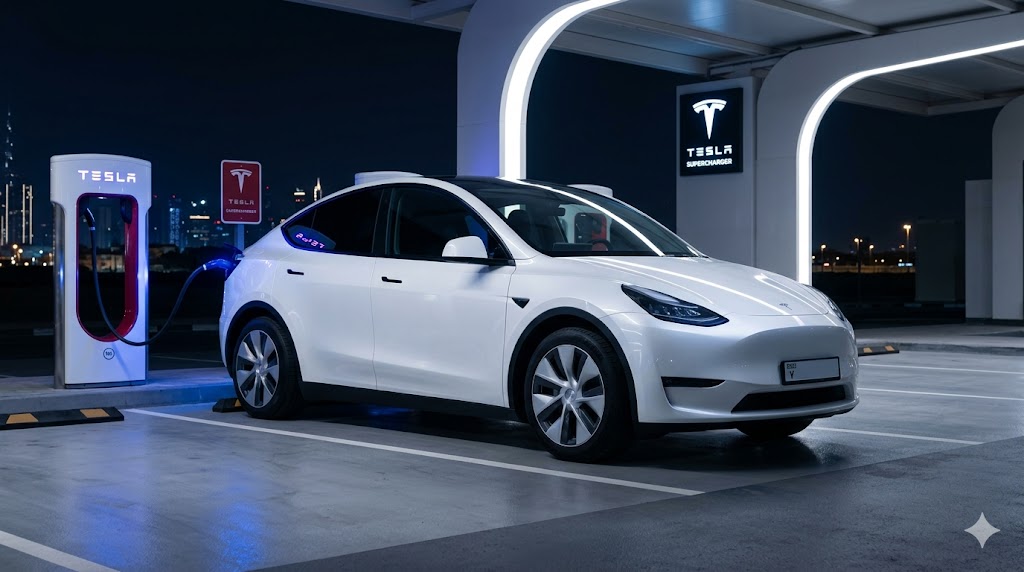
Charging infrastructure remains the other asterisk. GM's shift toward NACS (Tesla-style) charging ports and access to the Tesla Supercharger network is a major step forward for long-distance usability, but the transition has meant some early adapters and software updates rolling out in phases. It's a better story than it was a year ago, but it's still not the plug-in-anywhere simplicity that a Tesla owner takes for granted, and buyers should verify current charging compatibility and adapter requirements before assuming seamless access.
There's also the matter of practicality trade-offs. The Lyriq is strictly a five-seat vehicle with no three-row option, which puts it at a disadvantage against rivals in the segment that offer a third row for occasional use, and cargo space, while decent, isn't class-leading. And then there's price. Well-equipped Lyriq trims land in territory that overlaps meaningfully with comparable Audi Q8 e-tron, BMW iX, and Mercedes EQE SUV configurations — Cadillac hasn't won this fight by undercutting the Germans, it's won it by finally being worth cross-shopping against them. That's a genuine achievement, but it also means the Lyriq has to be judged on the same unforgiving terms as the cars it's chasing, not graded on a curve.
The Verdict: A Genuine Seat at the Table
What makes the 2025 Lyriq notable isn't that it's flawless — it isn't — but that it's the first Cadillac EV where the flaws feel like the normal growing pains of a maturing product line rather than fundamental design compromises. The design is confident, the interior finally matches the price tag, and the driving experience prioritizes the kind of quiet, composed luxury that defines the segment rather than chasing spec-sheet bragging rights. Cadillac spent years promising it could build an EV that stood shoulder to shoulder with German luxury, and with the Lyriq, that promise has largely been kept. The software and charging ecosystem still need another lap or two of polish, but the hardware, design, and driving character are already there. For American luxury buyers who wanted a domestic alternative that doesn't feel like a compromise, the wait appears to be over.
Key Takeaways
- The 2025 Lyriq is the first Cadillac EV whose design, interior materials, and driving refinement genuinely compete with German luxury SUVs rather than trailing them.
- Interior quality — open-pore wood, semi-aniline leather, and the curved LED display — represents a real step up from prior Cadillac efforts and rival expectations.
- Ride comfort and quietness are standout strengths, while acceleration is brisk without being the car's headline feature.
- Infotainment software is visually impressive but still maturing, and the lack of CarPlay/Android Auto is a real adjustment for many buyers.
- The shift toward NACS charging access is a meaningful improvement, though the transition isn't yet as seamless as native Tesla charging.
- Bottom line: the Lyriq earns its place in the luxury EV conversation on merit, not on a discount, making it a legitimate cross-shop against Audi, BMW, and Mercedes electric SUVs for buyers willing to accept a still-maturing software experience.