The trim clip that holds your dashboard bezel in place hasn't been manufactured since before disco died, and the reproduction version on the market doesn't fit quite right. This is the moment every serious restorer eventually faces: the part you need is New Old Stock or nothing, and finding genuine NOS in 2025 requires a very different playbook than it did even a decade ago, as warehouses get cleared out, longtime sellers retire, and the remaining inventory gets scarcer and pricier by the year.
New Old Stock means exactly what it sounds like: unused, unsold parts manufactured decades ago that have sat in a box on a shelf ever since, whether that shelf belonged to a dealership parts department, an independent jobber, or a manufacturer's overstock warehouse. Unlike a used part pulled from a donor car, NOS carries no wear, no fatigue, and often the original packaging and part number stamp that collectors and judges look for. But the finite nature of that supply is exactly what makes the hunt both exciting and frustrating, because every genuine NOS part that sells is one fewer that will ever exist again.
Why the Hunt Has Changed
A restorer working this problem in the 1990s could often find what they needed through a handful of national parts locator services and swap meet regulars who specialized in a single marque. The internet has both helped and complicated that picture. On one hand, searchable online marketplaces and classifieds have connected buyers with sellers across the country instantly, surfacing inventory that used to require years of relationship-building and phone calls to even learn existed. On the other hand, that same visibility means genuine NOS parts get identified, bid up, and absorbed by collectors and flippers far faster than in the pre-internet era, and prices for rare pieces have climbed accordingly. The practical upshot is that patience and network-building still matter enormously, but you now need to move fast and verify authenticity carefully once you do find a lead, since higher prices have also attracted more counterfeit and mislabeled "NOS" listings than existed before.
Marque Clubs and Registries Are Still Your Best First Call
If you take away only one piece of advice from this guide, make it this: join the specific marque or model club for your car before you do anything else. These organizations, built by enthusiasts who have spent decades tracking parts availability for a narrow range of vehicles, maintain classified sections, technical forums, and member networks that general marketplaces simply cannot replicate. A member who restored an identical car five years ago likely remembers exactly which supplier still had the trim piece you need, or knows another member who bought a parts car and has been meaning to list the leftovers. Registries focused on documenting individual surviving vehicles by serial number can also connect you with owners who've already solved the exact sourcing problem you're facing, since they had to find the same obsolete part for the same specific car.
The tradeoff is that this approach takes time and genuine participation. Lurking silently rarely pays off the way showing up at meets, contributing to technical threads, and building a reputation as a serious and honest buyer does. Club networks reward people who give back, whether that's sharing your own sourcing discoveries or offering parts from a car you're parting out. Treat it as community membership, not a transaction, and the payoff compounds over years.
Swap Meets and In-Person Networks Still Outperform Screens
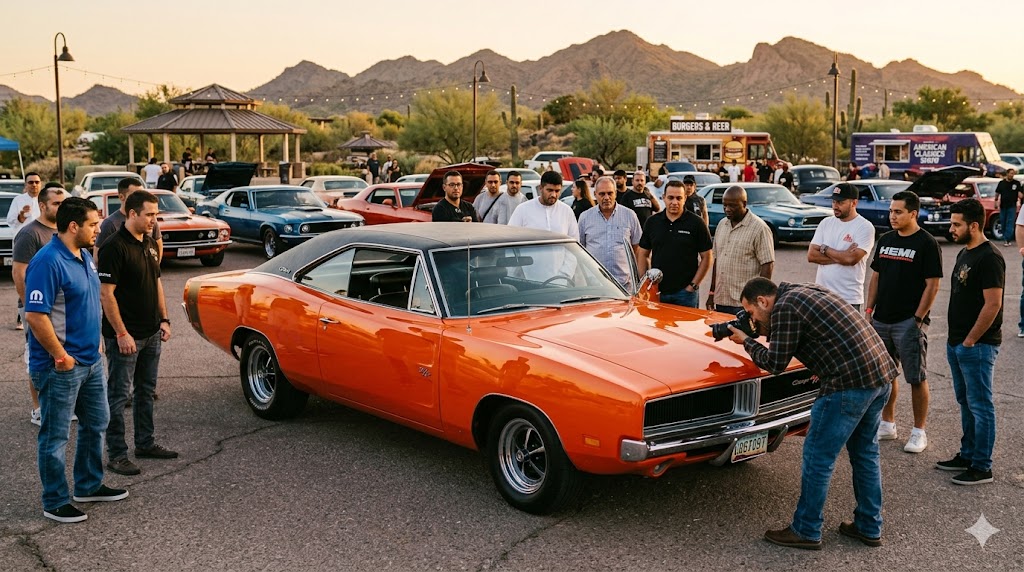
Despite everything digital marketplaces offer, large specialty swap meets remain one of the highest-yield environments for finding genuine NOS parts, precisely because so much inventory in private hands, estate collections, and closed-down parts stores never makes it online at all. Sellers at these events are often clearing out garages and warehouses accumulated over a lifetime, and pricing is frequently more negotiable in person than in a formal online listing where a seller has anchored to a number they saw elsewhere. Walking the aisles also lets you physically inspect a part for authenticity markers, packaging condition, and fit in ways photos can't fully convey.
The obvious drawback is geography and time. Not every region hosts a major meet for your specific marque, and traveling to attend one is a real investment even before you've bought anything. Many serious restorers treat an annual pilgrimage to the largest meet relevant to their car as a standing appointment, budgeting travel the way they'd budget for a major mechanical repair, because the odds of finding something irreplaceable are genuinely higher there than scrolling listings from home.
Online Classifieds, Forums, and Marketplaces
Dedicated classic car classifieds sites and marque-specific forums have become essential daily-check habits for serious parts hunters, since sellers list new inventory constantly and the search functionality lets you set alerts for exact part numbers. General auction and marketplace platforms also carry genuine NOS listings, though the signal-to-noise ratio is lower and you'll need to develop an eye for spotting mislabeled reproduction parts passed off as original, whether through innocent seller confusion or deliberate misrepresentation. Cross-referencing a listed part number against your factory parts manual or a trusted forum thread before paying is a habit worth building regardless of which platform you're using.
Forums in particular tend to accumulate years of institutional knowledge about which sellers are reliable, which part numbers are commonly counterfeited, and which reproduction alternatives have earned a reputation as acceptable substitutes when true NOS proves unobtainable. That accumulated thread history is often more valuable than any single listing, because it teaches you how to evaluate future finds on your own.
NOS Parts Brokers and Specialty Dealers
A smaller, more specialized category of the market consists of dealers and brokers who focus specifically on acquiring and reselling NOS inventory, often having built relationships over decades with dealership parts departments, closed manufacturing suppliers, and estate liquidators. These specialists typically charge a premium over what you might pay finding the same part through a club connection or lucky swap meet find, but they offer something valuable in return: pre-vetted authenticity, consolidated inventory searchable from your desk, and often a return policy if a part doesn't fit as described. For parts that are both critical to a build and genuinely scarce, paying that premium for verified sourcing can be the more efficient choice than spending months chasing leads yourself.
Salvage Yards and Reproduction as Practical Fallbacks
When true NOS proves genuinely unobtainable, two fallback paths remain worth exploring before giving up. Specialty salvage yards that focus on classic and collector vehicles sometimes carry good used original parts pulled from donor cars, which won't have the pristine condition of NOS but will carry correct original engineering and often bolt on without the fitment quirks that plague some reproduction parts. Reproduction manufacturers, meanwhile, have improved dramatically in quality and accuracy over the past couple of decades for popular models with strong aftermarket support, though quality still varies significantly by manufacturer and part, so checking current reviews and club consensus on a specific reproduction line before buying is time well spent rather than an optional step.
Building a Sourcing Strategy That Actually Works
The restorers who consistently find what they need treat sourcing as an ongoing practice rather than a one-time scramble. They maintain running want-lists shared across multiple club forums, set up saved searches and alerts on classifieds sites, attend swap meets on a predictable schedule, and cultivate relationships with brokers and fellow enthusiasts well before they urgently need a specific part. That patience and infrastructure is what separates people who eventually find the impossible trim clip from those who give up and settle for an ill-fitting substitute.
Key Takeaways
- Marque-specific clubs and vehicle registries remain the single highest-value starting point for locating genuine NOS parts.
- Large specialty swap meets surface inventory that never appears online, making in-person attendance worth the travel for serious builds.
- Online classifieds and forums are essential daily tools, but require diligence to avoid mislabeled or counterfeit "NOS" listings.
- Specialty NOS brokers charge a premium but offer pre-vetted authenticity and consolidated searching for scarce or critical parts.
- When true NOS is unobtainable, specialty salvage yards and reputable reproduction manufacturers are reasonable fallback options.
- Bottom line: build an ongoing sourcing network across clubs, meets, and online channels well before you urgently need a part, rather than starting the search from zero in a crisis.