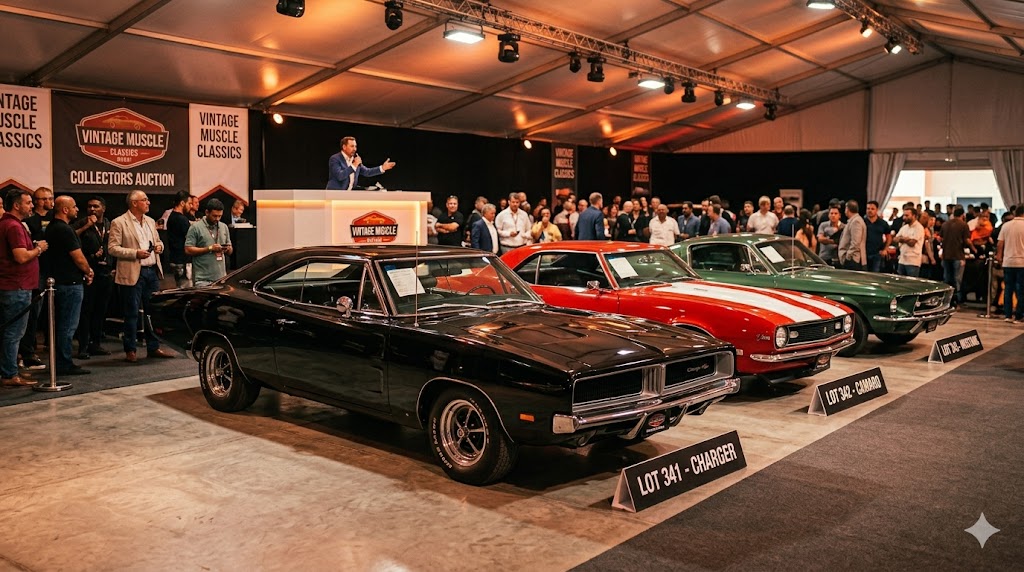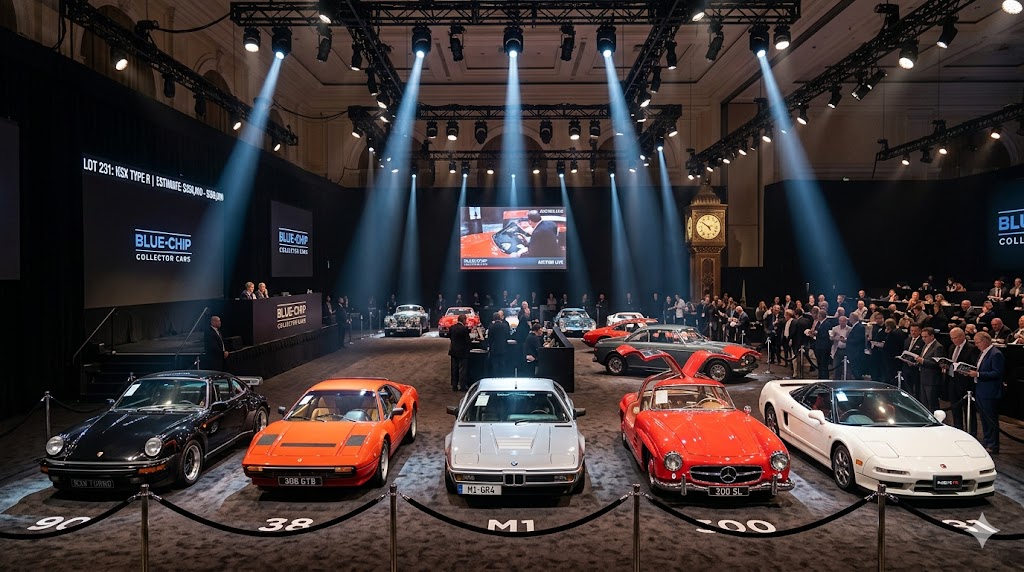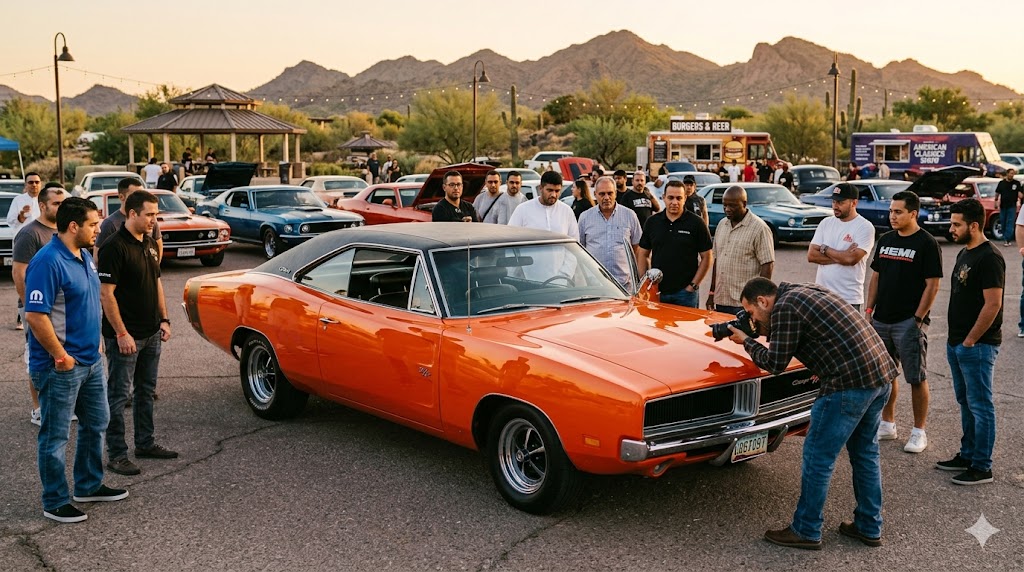
Stand two nearly identical classics side by side at a show or an auction preview, and the one wearing its original, faded, slightly checked factory paint will often draw a longer line of serious buyers than its glossy, freshly resprayed twin. That's not nostalgia talking. It's a structural reality of the collector market: original paint is a document, and once you paint over it, that document is gone forever. Deciding whether to preserve or replace the finish on a classic is rarely just a cosmetic call — it's the single decision most likely to lock in or lock out a chunk of your car's future value.
Why Originality Carries a Premium Some Owners Don't Expect
The collector market has developed a genuine reverence for what's often called a "survivor" car — one that has never been repainted, never had major bodywork, and still wears the finish it left the factory with. That paint tells a verifiable story: it shows exactly where the factory overspray landed, how the panels were masked, and whether any panel was ever replaced or repaired. Judges at concours events and knowledgeable private buyers can read these clues the way an appraiser reads a vintage watch movement. A respray, no matter how well executed, erases that evidence permanently. For certain models and certain eras, especially low-production or historically significant cars, that erasure can mean leaving real money on the table, because a segment of buyers will pay a meaningful premium specifically for unmolested originality, sometimes even when the paint shows real wear, fading, or minor surface rust bleeding through in spots. The logic isn't sentimental so much as economic: original paint is unrepeatable, while a good respray is a service anyone with the right budget can commission.
That said, originality only carries a premium when it's genuinely good originality. A paint job that's cracked through to bare metal in multiple panels, riddled with rust bubbles, or so faded and chalky it's hard to identify the original color isn't preserving value — it's just deferred deterioration. The premium applies to paint that's honestly aged but structurally sound, not to paint that's actively failing.
What a Full Respray Actually Buys You
A quality respray solves problems original paint fundamentally can't. If your car has been repainted before (many have, often more than once), you've already lost the "numbers-matching finish" argument, and a fresh, correctly color-matched respray done to a high standard can make the car more desirable, not less, especially to buyers who want to drive and enjoy the car rather than trailer it to shows. A respray also lets you address underlying rust and panel damage that original paint may be masking. It's worth being honest with yourself here: paint that looks presentable from three feet away can be hiding filler, prior accident repair, or corrosion creeping from the inside out. Sometimes the only responsible path forward, especially for a car you intend to actually drive in varied weather, is to strip it down and start fresh.
The financial trade-off is real in both directions. A proper respray, done with correct paint codes, appropriate application methods for the era (lacquer versus base coat/clear coat, for instance, matters enormously for judged authenticity), and full attention to panel gaps and trim reinstallation, is a significant undertaking in time and cost. Cut corners here and you get a car that looks shiny in photos but reads as amateur in person — overspray on rubber seals, orange peel texture, mismatched panel colors under different lighting. A mediocre respray can actually hurt value more than tired original paint would have, because it signals rushed or budget-conscious work throughout the rest of the restoration too.
The Judging and Authenticity Angle
If you're restoring with an eye toward concours or serious club judging, the calculus shifts again. Many judging classes explicitly reward originality and penalize incorrect paint application methods, wrong sheen levels, or colors that don't match factory build records. In these circles, a full respray isn't inherently disqualifying, but it needs to be done to a documented standard — correct paint type for the model year, correct texture, correct masking patterns replicating factory practice. Some owners commission what's called a "preservation" approach for cars still wearing original paint: light cleaning, careful wax, minor touch-up of chips without full panel refinishing, aimed at stabilizing the existing finish rather than replacing it. This middle path can be the smartest move for a car with paint that's tired but not failing, because it keeps the originality premium alive while addressing the parts that genuinely need attention, like touching up a rock chip before it becomes a rust spot.
It's worth noting that judging preferences vary significantly by marque club and by region, and what one organization's judging sheet rewards, another may treat as a footnote. If competition points matter to you, look up the specific standards for your car's marque and era before committing either direction, since assumptions borrowed from a different make's culture can lead you astray.
Reading the Market Before You Commit
The honest answer to which choice "defines your classic's value" depends heavily on what that specific car is and who's likely to buy it. A mass-produced classic with no unusual history is unlikely to command a meaningful original-paint premium, and a tidy, well-executed respray in the correct factory color will usually serve the car better, both for your own enjoyment and for resale to the broader base of driver-focused buyers. A rare, historically documented, or low-mileage example is a different animal entirely, and preserving whatever original finish remains, even if it means living with some patina, is very often the financially smarter move, assuming the paint isn't actively compromising the metal beneath it.
Before making an irreversible call, it pays to get a second opinion from someone with no stake in the outcome — an appraiser, a marque specialist, or a trusted restoration shop that works on your specific model regularly. They've seen enough transactions to tell you honestly whether your car's specific combination of rarity, condition, and market demand favors preservation or a fresh finish. A respray can always happen later; original paint, once removed, cannot be restored. That asymmetry alone should weigh heavily in how you approach the decision, and it's worth resisting the urge to repaint simply because a car "deserves to look new" — plenty of buyers would tell you it deserves to look exactly like what it is.
Key Takeaways Original, honestly-aged paint carries a real collector premium because it's verifiable and unrepeatable, while a respray is a service anyone can commission. The originality premium only applies to paint that's structurally sound — heavily cracked, rusted-through, or badly faded finishes aren't preserving value, they're deferring damage. A quality respray can raise value on cars that have already lost original finish or that are aimed at driver-buyers rather than concours judges. A rushed or poorly executed respray often hurts value more than tired original paint would have, since it signals corner-cutting elsewhere in the build. Consider a preservation approach — cleaning and stabilizing rather than replacing — for cars with tired-but-sound original paint and real rarity. Bottom line: know your specific car's rarity and buyer pool before you paint, because a respray is reversible in theory but original paint, once stripped, is gone for good.