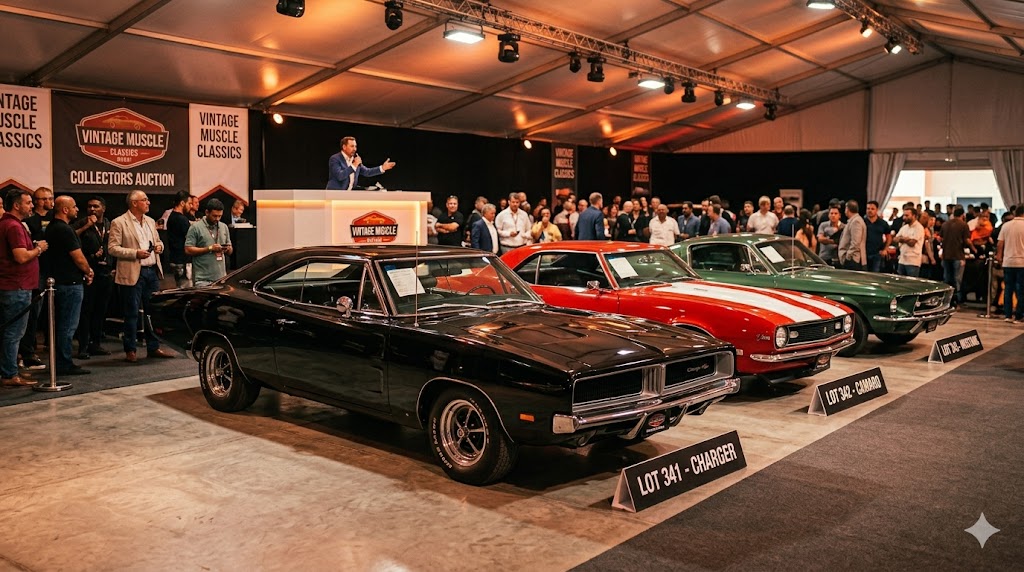
Total your classic under a standard auto policy and you'll likely get a check based on comparable listings for whatever generic used car the adjuster's software thinks yours resembles. It doesn't matter that your car has a numbers-matching drivetrain, a fresh restoration, or a build sheet documenting original options. Actual cash value calculations don't care about any of that, and that mismatch is exactly why collector car insurance exists as its own category, built around a different concept entirely: agreed value.
The distinction matters more than most owners realize until the moment they need to file a claim, at which point it's too late to fix. Getting this right up front is the entire game.
Agreed Value vs. Actual Cash Value
A standard policy pays actual cash value, which means the insurer determines depreciated market worth at the time of loss using whatever data sources and formulas it relies on, often skewed toward daily-driver comparables that have nothing to do with collector demand. A 1969 muscle car with date-coded parts and matching numbers gets valued like a tired used car from the same era, because the adjuster's tools weren't built to distinguish between the two.
Agreed value policies work differently. You and the insurer agree on a specific dollar figure when the policy is written, based on documentation you provide, and that figure is what gets paid out in a total loss, full stop, no depreciation argument, no negotiation over comparables. This is the mechanism that makes collector car insurance worth carrying even though the premiums are often lower than standard auto coverage, since these policies also typically include mileage limits, storage requirements, and other conditions that reduce risk from the insurer's perspective.
The catch, and it's an important one, is that the agreed value is only as good as the documentation and appraisal that established it. An inflated number with no support behind it can create problems too, including disputes at claim time if the insurer questions how the figure was reached, or in some cases even suspicion of intentional overvaluation. The goal isn't to maximize the number; it's to make it accurate and defensible.
Building a Value File That Holds Up
The foundation of a solid agreed value is documentation, and this is where owners either do themselves a favor or leave money on the table. A professional written appraisal from a qualified classic car appraiser carries the most weight, since it typically includes a detailed condition assessment, comparable sales research, and photographs, all bundled into a document an insurer can actually evaluate rather than dispute. Many collector insurers require this for higher-value vehicles anyway, so getting one early saves time later.
Beyond a formal appraisal, a thorough paper trail strengthens your position substantially. Receipts for restoration work, parts, and labor establish what you've invested and support the condition claims in your appraisal. Photographs from before, during, and after any restoration work document the process and the quality of workmanship, which matters enormously to collector value. Show awards, judging sheets from concours events, and club recognition all serve as third-party validation that your car is what you say it is. None of these documents alone determines value, but together they build a case that's hard for an adjuster to argue with.
Price guide data plays a role too, though it should be treated as a starting point rather than gospel. Guides aggregate auction results and private sale data across condition tiers, and they're useful for establishing a market range, but they can't account for the specific details that make your particular car worth more or less than the average example in its class. A guide might tell you what excellent-condition examples of your model generally bring; your appraisal and documentation are what justify where within or beyond that range your specific car lands.
Mistakes That Cost Owners at Claim Time
The most common mistake is simply letting the agreed value go stale. Classic car values move, sometimes substantially, and a figure that was fair three years ago may be well behind current market conditions today, particularly for models that have seen a surge in collector interest. Most insurers allow policyholders to request a value review, and doing so periodically, especially after completing additional restoration work or when your model's market segment has been trending upward, protects you from being underinsured without you realizing it.
The opposite mistake, chasing an inflated valuation to lower a future insurance shortfall, backfires just as often. Insurers can and do request updated appraisals, and a number that's clearly disconnected from documentation and market comparables invites scrutiny precisely when you can least afford it, during a claim. Modification disclosure is another frequent trap: collector policies are often written around originality or a specific build configuration, and undisclosed modifications, even performance-oriented ones done with good intentions, can complicate or void coverage on the affected components.
Storage and usage terms deserve the same attention as the valuation itself. Agreed value collector policies typically come with conditions, garage storage requirements, mileage caps, and restrictions on daily use, and violating those terms can undermine a claim even when the agreed value itself isn't in question. Read the actual policy language rather than assuming your situation fits the general collector car mold.
When to Get the Valuation Reassessed
A fresh appraisal makes sense any time something material changes: after a restoration or significant mechanical work, after acquiring documentation you didn't previously have, such as original ownership records or a matching-numbers verification, or simply on a multi-year cycle even if nothing has changed, since market conditions shift independent of anything you do to the car. Many owners treat the appraisal as a one-time task completed when the policy is first written, but classic car values are not static, and neither should your coverage be.
This is general information rather than financial or legal advice, and the specifics of agreed value policies vary by insurer and jurisdiction, so reviewing your actual policy language and consulting directly with a collector car insurance specialist before you need to file a claim is worth the time it takes.
Key Takeaways
- Standard auto policies pay depreciated actual cash value, which routinely shortchanges classics that carry collector premiums standard formulas can't detect.
- Agreed value collector policies lock in a specific payout figure at the time the policy is written, based on documentation you provide.
- A professional appraisal plus receipts, photos, and show history builds the paper trail that makes an agreed value defensible at claim time.
- Letting an agreed value go stale as the market moves, or inflating it without support, both create real risk for the owner.
- Storage requirements, mileage limits, and modification disclosure terms can affect a claim even when the valuation itself isn't disputed.
- Bottom line: get a professional appraisal, keep documentation current, and revisit your agreed value every few years or after major changes to the car.