Ask a dealer moving air-cooled Porsches and a dealer sitting on a lot of unremarkable 1970s American sedans the same question this year, and you'll get two different answers about who holds the leverage right now. That split is the story. The classic car market in 2025 isn't one market at all — it's a collection of overlapping micro-markets that happen to share auction houses and enthusiast media, and the buyer-versus-seller framing that made sense a decade ago now obscures more than it reveals.
For years, the shorthand was simple enough: strong economy and cheap money meant sellers won, tightening credit and economic anxiety meant buyers won. That framework still has some explanatory power, but it was built for a market with more uniform demand. Today's classic car buyers are stratified by generation, budget, and taste in ways that make a single verdict almost meaningless. Understanding 2025 means understanding why the answer depends entirely on which car, which era, and which buyer you're talking about.
Why the Old Buyer's-Market/Seller's-Market Framework Breaks Down
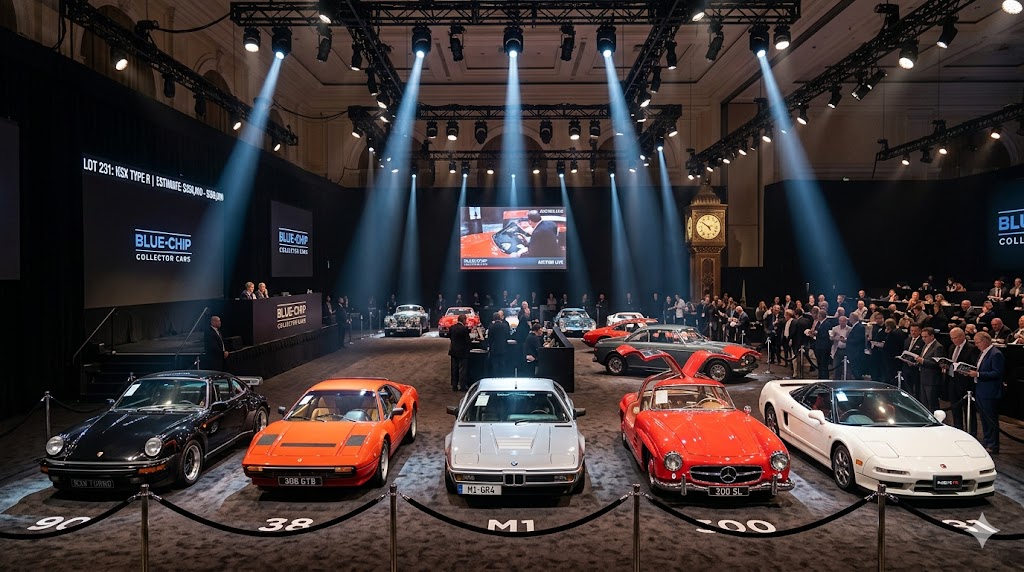
The traditional model assumed collector cars moved together as an asset class, rising and falling roughly in sync with broad economic sentiment. That correlation was never perfect, but it held well enough to be useful. What's changed is the demand side. Baby boomer collectors, who spent decades bidding up muscle cars and postwar Detroit iron tied to their own childhoods and coming-of-age memories, are aging out of active buying and, in a growing number of cases, becoming sellers as estates and downsizing enter the picture. Meanwhile, Gen X and younger buyers are entering the market with different reference points — 1980s and 1990s Japanese performance cars, early SUVs, and analog-era European cars from their own youth.
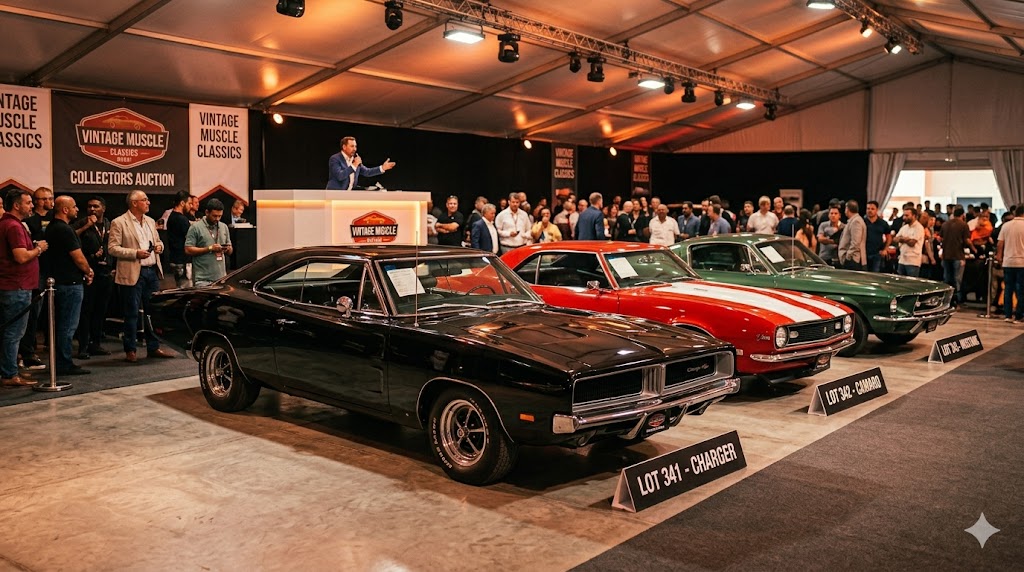
That generational handoff doesn't happen smoothly or all at once. It creates a market where certain segments are genuinely soft — plenty of inventory, longer time-on-market, sellers cutting reserves — while adjacent segments are tight enough that well-presented examples draw real competition. A market can be a buyer's market for one category and a seller's market for the one parked right next to it at the same auction. Treating "classic cars" as a single asset class in 2025 means averaging together trends that are moving in opposite directions, which flattens out the signal that actually matters to someone trying to buy or sell a specific car.
Interest Rates and Financing Costs Are Reshaping Who Shows Up to Bid
Higher borrowing costs over the past several years have had an outsized effect on a hobby that was partly fueled by cheap-money enthusiasm. When financing a major purchase — whether that's a classic car loan, a home equity line used to fund a purchase, or simply the opportunity cost of tying up cash instead of earning yield elsewhere — costs more, discretionary six-figure purchases get a second look. That dynamic doesn't hit every buyer equally. Serious, well-capitalized collectors buying with cash for museum-grade or numbers-matching examples are largely insulated from rate cycles; they were never financing the purchase anyway, and they're often more focused on documentation and provenance than on carrying costs.
The buyers most affected are the ones in the middle of the market: enthusiasts stretching to buy a nicer example than they might otherwise afford, or flippers who relied on inexpensive capital to hold inventory between purchase and resale. When that financing becomes more expensive, those buyers either sit out or become far more selective, and that selectiveness shows up first in the middle tier of the market — solid #2 and #3 condition cars without a standout story. That's precisely where you'll hear dealers describe 2025 as a buyer's market: plenty of supply, negotiating room, and sellers who bought at a peak now facing a gap between what they paid and what the market will bear.
Condition, Documentation, and Story Now Command a Premium That Overrides the Broader Trend
Even within a segment that's broadly soft, cars with exceptional originality, complete service records, known ownership history, or a documented low-mileage life continue to draw disproportionate interest. This isn't new, but the premium for that kind of documentation has widened rather than narrowed as the overall market has cooled. When money is more expensive and buyers are pickier, they gravitate toward certainty. A car with a thin paper trail and an "I think it's mostly original" story from the seller is exactly the kind of asset that gets punished in a cautious market, while a comparable car with a binder of receipts and prior-owner contact information holds its value far better.
This is a genuinely useful signal for anyone trying to figure out where they sit as a buyer or seller right now. If you're selling a car with airtight documentation, you're closer to a seller's market than the headlines about a "cooling" collector market would suggest — informed buyers will still compete for that certainty. If you're selling a car that's solid but undocumented, you're likely facing real buyer's-market conditions, because that's exactly the kind of car buyers are now willing to walk away from and wait on. The gap between those two outcomes has grown wider, not narrower, which is itself a meaningful trend independent of where overall prices are headed.
Specific Models Are Diverging Sharply From Their Own Broader Categories
Averages hide the most interesting movement in this market. Within nearly every category — European sports cars, American muscle, air-cooled Porsches, classic trucks — there are individual models bucking whatever the segment is doing overall. A model that suddenly gets cultural attention, whether from a prominent auction result, a documentary, or simply a cohort of buyers reaching peak earning years at the same moment their teenage dream car becomes attainable, can see real strength even while the category around it softens. The reverse happens too: a model that was overexposed during a prior boom, with too many restomods and re-created "tribute" examples flooding the market, can underperform its peers for years afterward.
This divergence matters because it means you can't reliably extrapolate from one recent sale to the broader model, let alone the broader category. A single strong result at a high-profile auction tells you about that car, that day, and possibly that specific pocket of demand — not necessarily about where the category is headed. Buyers and sellers who track results across many transactions, rather than anchoring to one headline number, get a much more honest picture of where they actually stand.
What This Means If You're Trying to Buy or Sell Right Now
If you're a buyer, 2025 rewards patience and selectivity more than it rewards speed. Middle-tier cars without exceptional documentation are sitting longer, and sellers who bought during stronger conditions are gradually adjusting expectations downward, which means reasonable offers on well-chosen cars are more likely to be entertained than they would have been a few years ago. If you're a seller, the honest answer depends heavily on what you're selling: exceptional, well-documented examples in categories with active generational demand can still command strong prices and genuine competition among bidders, while ordinary examples in oversupplied categories should expect a longer sales process and more price flexibility than the seller might like.
The most useful mental shift for anyone participating in this market is to stop asking whether it's a buyer's or seller's market overall and start asking that question about the specific car in front of them. Check recent, comparable results for the actual model and condition tier you care about rather than relying on general sentiment about "the classic car market," because in 2025 that general sentiment is true and false at the same time, depending entirely on which corner of the market you're standing in.
Key Takeaways
- There is no single 2025 verdict — the market is simultaneously soft in some segments and competitive in others, split largely along generational demand lines.
- Higher financing costs have hit middle-tier buyers and flippers hardest, creating real buyer's-market conditions for ordinary, undocumented examples.
- Cars with strong documentation, provenance, and originality are commanding a widening premium, effectively operating in a seller's market even as broader sentiment cools.
- Individual models can diverge sharply from their own category's overall trend, so single headline sale prices are a poor guide to broader conditions.
- Sellers should expect longer timelines and more negotiation on ordinary cars, while genuinely exceptional examples can still draw real competition.
- Bottom line: judge the specific car, condition, and documentation in front of you rather than the market as a whole — that's where the real answer lives in 2025.