An hour each way, five days a week, adds up to roughly 500 hours behind the wheel a year—more time than most people spend on vacation. That's the math long-distance commuters live with, and it's why the car that feels fine on a 15-minute test drive can become genuinely unpleasant on day 200 of a 45-mile slog down the interstate. Long commutes don't just add mileage to your odometer; they expose weaknesses that never show up in short trips, and they make efficiency and comfort compound in ways that a casual buyer rarely accounts for.
The mistake most commuters make is shopping the way they'd shop for any car: styling first, badge second, options third. A vehicle built to handle two or three hours of daily driving needs to be evaluated on different terms entirely. What punishes a commuter isn't 0-60 times or infotainment graphics—it's seat foam that collapses after 18 months, road noise that turns a podcast into a chore, and a fuel or energy bill that scales with every one of those extra miles.
What Long Commutes Actually Punish
Seat comfort is the first casualty, and it's more complicated than "does it feel soft in the showroom." A seat that feels plush for ten minutes can create pressure points and lower-back fatigue after 60. What matters over the long haul is proper thigh support, adjustable lumbar bolstering, and a seating position that keeps your hips and knees at a comfortable angle without forcing you to hunch toward the wheel. Cloth, leather, or synthetic leather each have trade-offs in temperature regulation and long-term wear, but the underlying frame and foam density matter more than the surface material. If you can, sit in a candidate vehicle for at least 20 minutes in the parking lot before you buy—dealerships generally allow this, and it reveals far more than a quick spin around the block.
Fatigue-reducing driver-assistance technology has moved from luxury novelty to near-mainstream expectation. Adaptive cruise control, which automatically maintains following distance in changing traffic, takes a significant mental load off stop-and-go highway driving—the kind that turns a commute into a constant cycle of braking and accelerating. Lane-keeping assist and lane-centering systems reduce the small, constant steering corrections that add up to real fatigue over 90 minutes of driving. These features are no longer confined to flagship trims; many mainstream sedans and SUVs now offer some version of them as standard equipment or as part of an affordable options package, though the sophistication and smoothness of the systems still varies meaningfully between automakers and even between trim levels of the same model. It's worth testing these systems specifically on your actual commute route, if a dealer allows an extended test drive, rather than trusting a spec sheet description.
Efficiency is where long commuters see costs multiply fastest. A five-mile-per-gallon difference between two otherwise similar vehicles is a rounding error for someone driving 6,000 miles a year. For someone driving 25,000 or 30,000 miles a year, it's real money, potentially hundreds of dollars annually, and it compounds over the years you own the car. This is why fuel or energy efficiency deserves outsized weight in a long-commute purchase decision compared with how most buyers weigh it.
Cabin noise insulation is the quiet variable that's easy to underestimate until you live with it. Road noise, wind noise, and drivetrain noise all become more fatiguing over long stretches, even if they're barely noticeable on a short drive. Thicker glass, additional sound-deadening material in the doors and floor, and well-sealed door and window mechanisms all contribute, and they tend to correlate with vehicle segment and trim level more than with brand reputation alone.
Fuel-Efficient Compact and Midsize Sedans
Traditional compact and midsize sedans remain a strong starting point for long commutes because they're generally engineered around efficient highway cruising, with lower ride height and better aerodynamics than taller vehicles. Cars in this segment—think of the long-running nameplates from Honda, Toyota, Mazda, and Hyundai that have built reputations in this space—tend to offer a comfortable highway ride, reasonably quiet cabins at speed, and fuel economy that holds up well on sustained highway stretches, which is where commuters spend most of their time. The trade-off is limited cargo and passenger space compared with an SUV, which matters if your household also uses the car for family duty on weekends.
Hybrids for Mixed Stop-and-Go and Highway Commutes
If your commute is a genuine mix of surface streets and highway, or if you sit in stop-and-go traffic for a meaningful chunk of it, a hybrid powertrain is worth serious consideration. Hybrids shine specifically in stop-and-go conditions because regenerative braking and electric-motor assistance recapture energy that a traditional engine simply wastes. Highway-heavy commutes see smaller relative gains from hybrid technology than city driving does, but modern hybrid systems still generally deliver strong combined fuel economy even at sustained highway speeds. The upfront cost premium over a comparable gas-only model has narrowed in recent years, and the math tends to favor hybrids more heavily the more miles you drive annually—which describes long commuters precisely.
Compact SUVs for Seat Height and Cargo Flexibility
Not every commuter wants to sit low to the road. Compact SUVs have become the default family vehicle for a reason: they offer a higher seating position that many drivers find reduces fatigue and improves visibility in traffic, along with more cargo flexibility for gym bags, groceries, or a stroller on the way home. The efficiency penalty compared with a sedan has shrunk considerably as automakers have optimized aerodynamics and, increasingly, offered hybrid variants of popular compact SUVs. The trade-off is a slightly higher center of gravity and marginally more wind noise at highway speeds than an equivalent sedan, so cabin insulation quality is worth extra scrutiny if you're cross-shopping this segment specifically for a long commute.
Where EVs Make Sense—and Where They Don't
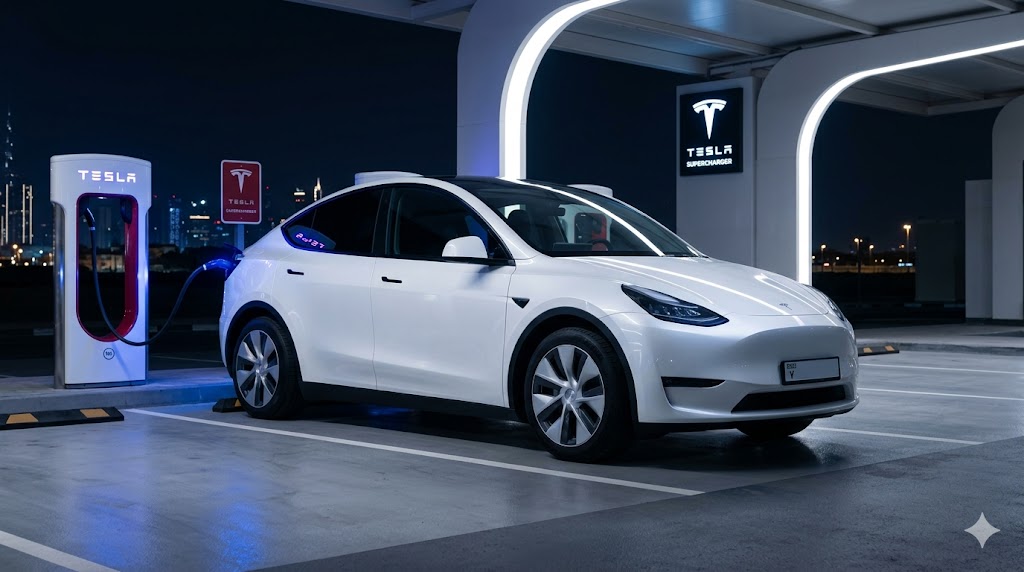
Electric vehicles can be an excellent fit for long commuters, but only under the right conditions. If you have reliable charging access at home or at your workplace, an EV's low per-mile energy cost and instant, smooth acceleration can make daily driving noticeably more pleasant, and regenerative braking reduces brake wear the same way a hybrid's does. The calculation changes for commuters with very long routes, no reliable home charging, or routes through areas with sparse charging infrastructure, where range anxiety and charging logistics can turn a commute into a genuine planning exercise rather than a pleasant part of the day. Cold-weather range reduction is another real factor for commuters in northern climates. An EV commuter needs to think through their specific charging situation before assuming the category is a fit, rather than assuming efficiency numbers alone tell the whole story.
Technology Tiers Are Broader Than They Used to Be
The driver-assistance features that used to separate luxury cars from everyday ones have trickled down meaningfully. Adaptive cruise control and lane-centering assistance are now available on a wide range of mainstream trims, not just top-of-the-line configurations, which is good news for commuters on a budget. That said, the quality of implementation still varies—some systems intervene smoothly and predictably, while others feel abrupt or hesitant in real traffic. Reading current owner reviews and, ideally, testing the specific system on a realistic stretch of road before buying will tell you more than any features list.
Because fuel economy ratings, available tech packages, and even hybrid and EV options change from one model year to the next, check current EPA fuel economy or range estimates and the specific driver-assistance packages offered on the current model year before making a final decision. What was true of a nameplate two years ago may not describe this year's version.
Key Takeaways
- Long commutes punish seat comfort, cabin noise, and efficiency in ways short trips never reveal, so prioritize those over styling or acceleration.
- Adaptive cruise control and lane-centering assistance meaningfully reduce fatigue on repetitive highway stretches and are now available on more mainstream trims than in the past.
- Fuel or energy efficiency differences that seem minor at low mileage become real money at 25,000-plus commuting miles a year.
- Compact and midsize sedans favor efficient highway cruising, hybrids excel in mixed stop-and-go commutes, and compact SUVs trade a little efficiency for seat height and cargo room.
- EVs work well for commuters with dependable charging access but can be impractical for very long routes without reliable charging infrastructure.
- Bottom line: match the vehicle category to your specific commute pattern and always verify current-year EPA ratings and tech packages before buying.