Mainstream three-row crossovers have a long, uneven history with off-road trim packages, and most of that history isn't flattering. Slap some black plastic cladding on the fenders, raise the ride height half an inch, add a decal, and call it an off-road trim — that formula has been repeated across the industry for years with varying degrees of honesty about what it actually delivers. The Pathfinder Rock Creek package breaks from that pattern in a way that deserves real credit, because Nissan backed up the styling changes with mechanical substance that noticeably changes how the vehicle behaves once pavement ends.
The Pathfinder itself returned to a more traditional, three-row family SUV formula several generations back after a stint with a more car-like, unibody-only approach that never quite satisfied buyers looking for genuine capability. The Rock Creek trim represents Nissan's attempt to give that formula a legitimate off-road identity within a segment — mainstream three-row family crossovers — where genuine trail capability is genuinely rare rather than the default assumption.
What Rock Creek Actually Changes
The core of the Rock Creek package is a specific all-wheel-drive tune paired with underbody protection and all-terrain tires, plus a modest suspension lift that improves ground clearance and approach angle over a standard Pathfinder. Nissan also added tow hooks and unique styling elements that, unlike some competitors' off-road packages, are paired with actual functional changes rather than serving as the package's primary selling point on their own.
The all-wheel-drive system's specific tuning for the Rock Creek trim matters more than it might initially seem, since a system optimized purely for on-road traction in wet or snowy conditions behaves differently from one calibrated to handle wheel slip and low-traction scenarios typical of unpaved trails. Nissan's engineers clearly spent real effort recalibrating the system's response for this trim rather than simply carrying over the standard Pathfinder's tuning with new tires bolted on, and the difference shows in how confidently the Rock Creek handles loose gravel, mud, and moderate rock sections compared to a standard all-wheel-drive Pathfinder.
Honest Limits Compared to Body-on-Frame Rivals
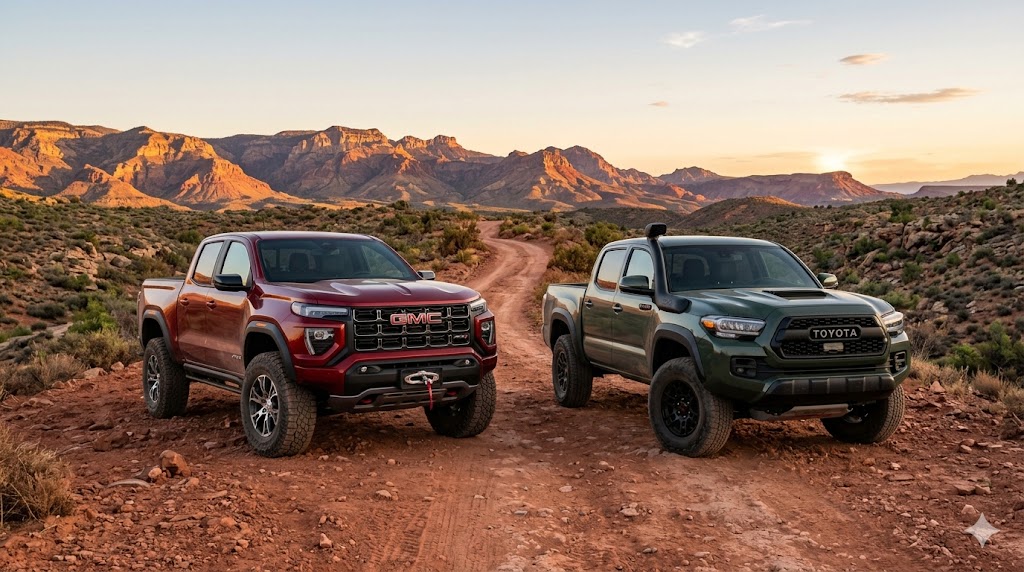
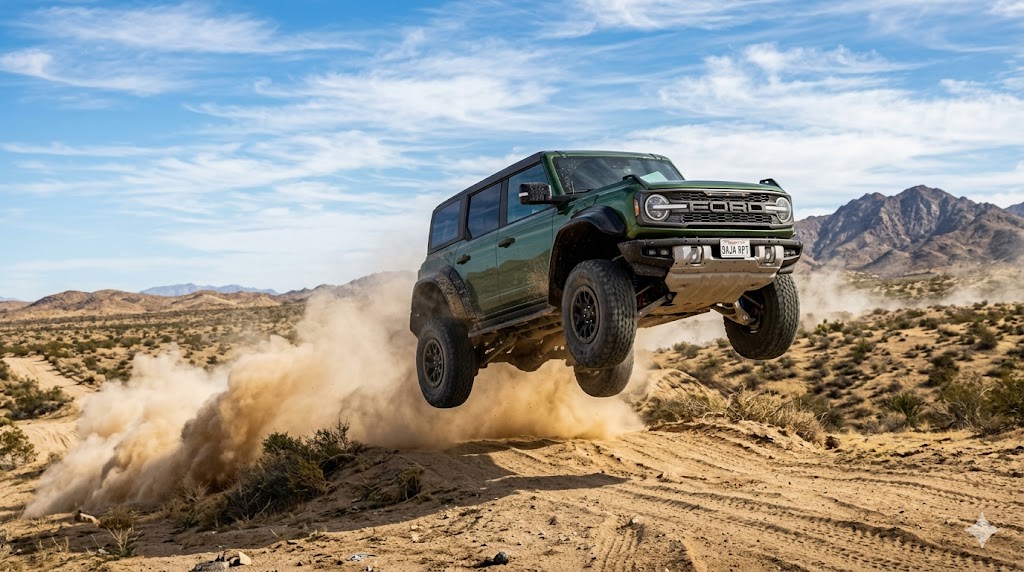
It would be dishonest to suggest the Rock Creek competes directly with body-on-frame off-roaders like a 4Runner or a Bronco, and Nissan doesn't really claim that it does. The Pathfinder remains a unibody crossover at its core, which means it lacks a low-range transfer case, locking differentials, and the kind of extreme wheel articulation that dedicated off-road vehicles offer. Buyers expecting Rubicon-level rock-crawling capability from the Rock Creek package will be disappointed, and that expectation mismatch is really the only way to come away from this vehicle unhappy with what it delivers.
What the Rock Creek does exceptionally well within its actual category is handle moderate, real-world off-road conditions — rutted forest roads, gravel trails, light rock sections, muddy campsite access roads — the kind of terrain that a huge percentage of "off-road capable" SUV buyers actually encounter, as opposed to the extreme rock-crawling scenarios that dominate off-road marketing imagery but represent a small fraction of real-world usage. For that mainstream off-road use case, the Rock Creek package delivers genuine, usable capability that a standard all-wheel-drive Pathfinder or many competitors' equivalent packages don't match.
Three-Row Practicality Doesn't Disappear
Because the Rock Creek builds on the standard Pathfinder rather than a stripped-down or heavily modified variant, it retains the practicality that makes the Pathfinder appealing to families in the first place. Three rows of seating remain genuinely usable, a real advantage over two-row off-road-focused competitors like the 4Runner or Bronco for families who need to regularly carry more than four passengers. Cargo space behind the third row is modest when all three rows are in use, typical of the segment, but expands considerably with the third row folded, giving Rock Creek buyers meaningful flexibility between passenger and cargo hauling.
The interior retains the comfort and technology features that make the standard Pathfinder competitive in the mainstream three-row segment, meaning Rock Creek buyers aren't sacrificing daily livability or family-friendly features to get the off-road-oriented hardware. This is arguably the package's biggest achievement: it adds genuine off-road usability without asking families to compromise on the practicality that likely drew them to a three-row crossover in the first place.
On-Road Behavior and Everyday Driving
Unlike body-on-frame off-roaders, the Rock Creek's unibody foundation means it drives, rides, and handles much more like a conventional crossover in daily use, with better on-road refinement, a quieter cabin, and easier low-speed maneuverability than a solid-axle or ladder-frame off-roader typically delivers. This is a genuine advantage for families who will spend the overwhelming majority of their driving time on pavement, running errands and school pickups, rather than on trails. The Rock Creek's slightly taller ride height and all-terrain tires do introduce marginally more road noise and slightly less crisp handling than a standard Pathfinder, but the difference is modest rather than dramatic.
Fuel economy and towing capacity should be verified against current published figures for the specific Rock Creek configuration, since the all-terrain tires and added equipment will have some effect on both compared to a standard all-wheel-drive Pathfinder trim.
The Package Nissan Got Right
The Rock Creek succeeds because Nissan calibrated its ambitions honestly to what a unibody three-row crossover can realistically deliver off-road, then executed that narrower goal thoroughly rather than overpromising capability the platform can't provide. For families who want genuine, usable capability on moderate trails without sacrificing three-row practicality or everyday on-road comfort, it's a rare example of a mainstream off-road package that matches its marketing.
Key Takeaways
- Rock Creek pairs a specifically recalibrated all-wheel-drive system with real suspension and underbody changes, not just cosmetic styling additions.
- It cannot match body-on-frame off-roaders with locking differentials and low-range gearing, and buyers expecting that level of capability will be disappointed.
- The package excels at moderate, real-world off-road conditions like gravel, mud, and rutted trails that represent most actual off-road use cases.
- Three-row seating and family practicality remain fully intact, a genuine advantage over two-row off-road-focused competitors.
- Bottom line: the Rock Creek is an honest, well-executed off-road package for families who want real moderate-terrain capability without giving up three-row usability or on-road comfort.