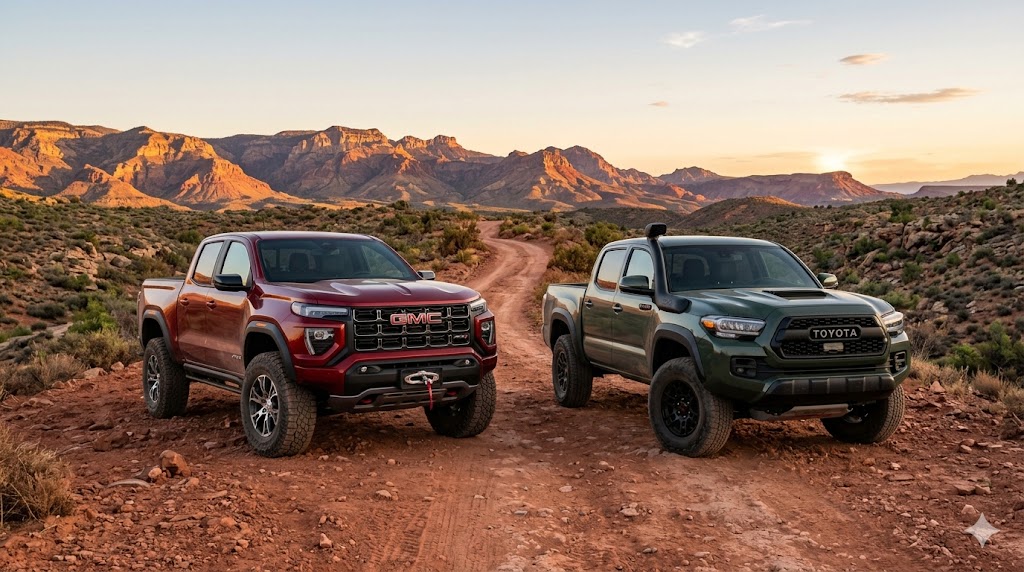
Slide into a Sierra Denali after a week in a mid-trim half-ton and the difference registers before you've even started the engine. The seats hold you differently, the switchgear has real weight to it, and the cabin goes quiet in a way that feels engineered rather than incidental. GMC has spent years positioning Denali as the brand's answer to a genuine luxury vehicle wearing a truck's body, and the 2025 Sierra 1500 Denali is the clearest expression yet of that idea. The question every shopper eventually asks, though, is whether that feeling is worth the extra money over a comparably equipped Sierra AT4 or a loaded Silverado High Country built on the same bones. The honest answer is: mostly, with some real asterisks.
The Premium Pitch, Examined Directly
Denali's whole reason for existing is to prove that a pickup can compete with a luxury SUV on materials and ambiance without giving up an inch of capability. Inside the Sierra Denali, that shows up in details that are easy to dismiss individually but add up quickly in aggregate: genuine wood-tone trim executed with more restraint than gloss, leather that feels like it was chosen rather than specified from a parts bin, and a dashboard layout that prioritizes a clean, upscale look over a busy button farm. The available massive touchscreen dominates the dash in a way that feels intentional rather than gimmicky, and the surrounding trim pieces are finished with a consistency that GMC's lower trims simply don't match.
The driving experience backs up the interior promise. Denali models equipped with the available adaptive ride control and rear air suspension deliver a noticeably calmer ride over broken pavement than a standard Sierra, ironing out the kind of impacts that would otherwise remind you you're in a truck. Wind and road noise are suppressed effectively enough that highway conversations happen at a normal volume, which matters more than it sounds like it should on a long haul. This is the core of the Denali argument: it's not just a badge and some extra chrome, it's a genuine attempt to re-tune the ownership experience around comfort and quiet confidence.
Tech That Actually Separates the Badge
GMC backs up the material story with technology that, in certain configurations, isn't available at all on the Chevrolet side. Where equipped, GMC's hands-free driver assistance system allows for genuinely hands-off driving on mapped highways, and experiencing it on a long interstate stretch changes how you think about what a truck can do on a road trip. Not every Sierra Denali will have this system, since it depends on trim and option selection, so confirm availability and exact functionality on the specific configuration you're considering rather than assuming it's standard.
The Multi-Pro tailgate, meanwhile, remains one of the more genuinely useful pieces of engineering in the segment, folding down into a work surface, a step, and a load-stop configuration depending on what the moment calls for. It's the kind of feature that sounds like a gimmick in a brochure and then becomes something you actually reach for once you own the truck, whether you're loading groceries, tailgating, or working a job site without a separate ladder. Combined with available power running boards, a surround-view camera system tuned for trailering, and driver assistance features that extend to trailer-specific views, the Denali's tech suite is aimed squarely at buyers who want the truck to do some of the thinking for them.
Where the Value Argument Gets Complicated
Here's where the premium positioning runs into its own logic problem. The Sierra Denali is not a distinct vehicle engineered from a clean sheet; it rides on the same platform, shares its core structure, and in many cases shares its powertrains with the Sierra AT4, the Sierra Elevation, and ultimately the Chevrolet Silverado. Once you know that, it's hard not to look at a loaded Silverado High Country or even a well-optioned Sierra AT4 and wonder exactly what you're paying extra for when you step up to Denali. The answer is real but narrower than the price gap might suggest: distinctive styling, a specific interior treatment, some Denali-exclusive comfort and technology packages, and the badge itself. For some buyers, that combination is precisely the point, since Denali ownership carries genuine cachet in a way that resonates with a specific customer. For others, it's a tough sell once they've done the platform-sharing math and realized the frame, suspension architecture, and available engines underneath are the same hardware sold under a different name for less money.
This tension has followed GMC's Denali sub-brand for years, and it hasn't gone away with this generation. The fair counterargument is that badge-engineered doesn't mean identical: the specific suspension tuning, unique acoustic treatments, and trim-exclusive materials represent real engineering decisions, not just a sticker package. Still, go in with clear eyes. If pure value matters most and you're fine with slightly less plush surroundings, a Silverado High Country or Sierra AT4 gets you most of the way there for meaningfully less money. If you want the complete package, badge included, Denali delivers on that promise.
Capability Hasn't Been Sacrificed for Comfort
It would be easy for a luxury-focused trim to quietly under-deliver on truck fundamentals, and to GMC's credit, that hasn't happened here. Properly configured, the Sierra 1500 Denali retains towing and payload capability competitive with other trims in the lineup, and the available engine choices, including a diesel option for buyers who tow frequently, carry over with their full capability intact. You're not trading utility for leather seats. Air suspension-equipped trucks even add a genuine practical benefit at the trailer hitch, since the self-leveling function makes hooking up a trailer noticeably less fussy than wrestling with a standard setup.
That said, buyers who plan to actually use the truck hard, hauling mulch, hitting a job site daily, or letting the bed take abuse, might find the Denali's plush interior and glossier trim pieces feel slightly mismatched with that use case. This truck is clearly tuned for owners who tow a camper on weekends and want a comfortable daily driver the rest of the time, not for buyers whose bed will see gravel and lumber every day. There's nothing wrong with that specialization, but it's worth being honest with yourself about which category you fall into before paying the premium.
Ride, Handling, and the Cost of Admission
On the road, the Denali's steering is calm and predictable, tuned more for confident cruising than sporty feedback, which suits the persona GMC is going for. The available adaptive dampers do meaningful work smoothing out the ride, making this one of the more comfortable half-ton trucks you can option when equipped that way. The catch, as with any premium trim, is that the best version of the experience requires stacking options, and price climbs quickly once you start checking boxes for the big screen, air suspension, and driver assistance package. Check current published pricing trim by trim, since the gap between a base Denali and a fully optioned one can rival the difference between a mid-trim Sierra and Denali itself.
Who This Truck Is Actually For
The Sierra Denali is the right call for buyers who want a genuinely upscale cabin, a quiet and composed ride, and exclusive comfort technology, and who are willing to pay a real premium for badge exclusivity on top of shared mechanical bones. It's a harder sell for value-focused shoppers who've done the platform-sharing homework and would rather put the price difference toward a loaded AT4 or High Country. Either choice is defensible; the honest move is going in aware of exactly what separates them.
Key Takeaways
- The Sierra Denali's interior materials, cabin quiet, and available adaptive suspension genuinely justify its premium positioning within the truck market.
- Exclusive features like the Multi-Pro tailgate and, where equipped, hands-free driver assistance technology set it apart from lower Sierra and Silverado trims.
- Denali shares its platform, structure, and much of its powertrain lineup with less expensive GMC and Chevrolet siblings, so the badge premium is a real value question worth confronting directly.
- Towing and payload capability haven't been sacrificed for comfort, making this a viable choice even for buyers who tow regularly.
- Options stack quickly, and the best version of the Denali experience costs meaningfully more than the base trim, so confirm current published pricing configuration by configuration.
- Bottom line: choose the Sierra Denali if cabin luxury and badge exclusivity matter to you and you're willing to pay for it; choose a Silverado High Country or Sierra AT4 instead if you want most of the substance for a smaller premium.