Climb into a current Ranger and then sit in one of the last examples of the previous generation, and the gap feels less like an update and more like a different truck wearing the same badge. That's the point. Ford didn't nip and tuck the old Ranger for this generation — it rebuilt the thing from the frame up, borrowed structure and hardware from the global Ranger and the Bronco, and used the opportunity to fix nearly everything that made the outgoing truck feel like a rental-fleet afterthought. The old Ranger sold reasonably well because midsize truck buyers didn't have many options and Ford's dealer network is enormous, not because it was particularly good. This one has to earn its position differently, against a field that now includes a reworked Tacoma, a Colorado with real muscle, and a Frontier that finally modernized. The question worth asking isn't whether the new Ranger is better than the old one — it obviously is — but whether "better than itself" is the same thing as "best in class."
What Actually Changed
The redesign's headline is the powertrain lineup. Where the old Ranger leaned on a single turbocharged four-cylinder that felt adequate at best when loaded down or towing, the current truck offers more muscle throughout the range, including a twin-turbo V6 option that finally gives the Ranger the kind of midrange shove that makes highway merges and trailer pulls feel unstressed rather than effortful. Ford hasn't been shy about pushing power figures upward compared to the old four-banger-only setup, though exact horsepower, torque, and towing numbers vary by configuration and are worth confirming against Ford's current published specs before you shop, since packages and axle ratios shift what a given truck can actually pull. The broader story is that the new Ranger no longer feels like it's apologizing for being a "smaller" truck. Merge onto a highway grade with a loaded bed and the truck pulls with a confidence the old model never had.
Underneath, Ford stiffened the frame and revised the suspension geometry, and the result shows up most on rough pavement and moderate off-road terrain, where the old Ranger felt busy and occasionally crashy over sharp inputs. The new truck absorbs bigger hits with more composure. That said, this is still a body-on-frame midsize pickup tuned partly around payload and towing duty, and unloaded ride quality on the stiffer suspension tunes — particularly on off-road-oriented trims wearing more aggressive tires — can feel firm and occasionally truck-like over broken city pavement. If your Ranger spends most of its life as a commuter with an empty bed, you'll notice the compromise more than someone who regularly hauls or tows.
The Raptor Changes the Conversation
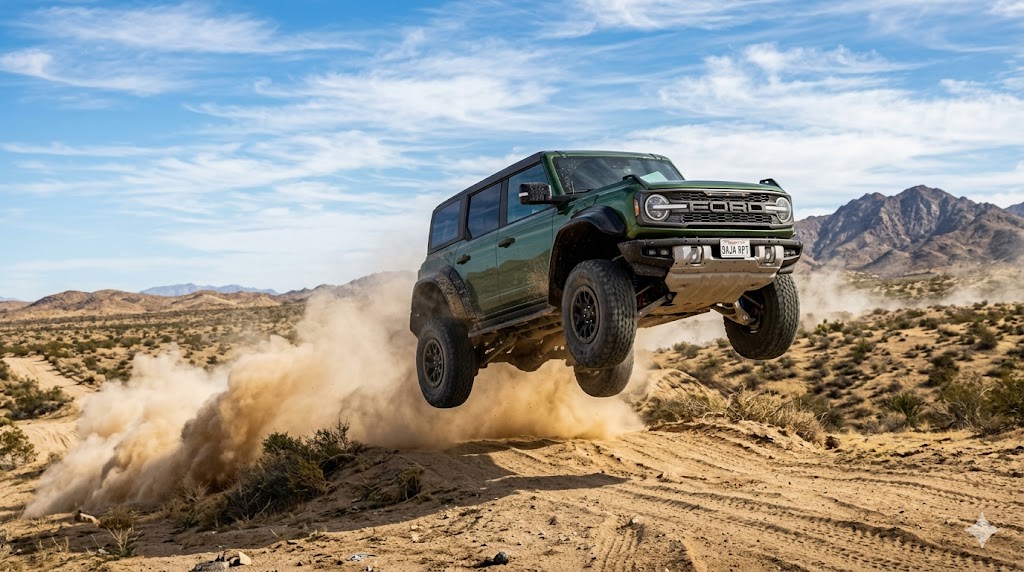
No discussion of what separates this generation from the last one is complete without the Ranger Raptor, and it's arguably the single biggest reason enthusiasts now take this nameplate seriously. The old Ranger had no answer to a performance off-road trim; this one has a factory-built desert runner with a wider track, long-travel suspension, and a twin-turbo V6 tuned specifically for the role. Driven back-to-back against the class's other performance trucks, the Raptor doesn't just compete — it changes what people expect a midsize truck to be capable of at speed over rough terrain. It's also a niche product with a price tag that climbs well past what most midsize truck shoppers are looking to spend, so treat it as a halo rather than a representative sample of what a typical Ranger costs or drives like. Still, its existence pulls the whole lineup's reputation upward, the same way a low-volume performance variant does for any brand.
Cabin, Tech, and Where the Interior Still Trails
Step inside and the improvement over the old Ranger is immediate and significant. The dashboard is organized around a portrait-oriented touchscreen in a configuration borrowed from the F-150's playbook, running Ford's current SYNC software with genuinely quick response times, easy phone mirroring, and menu logic that doesn't require a learning curve. Physical climate controls survive alongside the touchscreen, which is the right call — a truck used for work and towing benefits from controls you can operate by feel without hunting through submenus. Storage, cupholders, and available second-row space all improved meaningfully over the last generation's cramped and dated cabin.
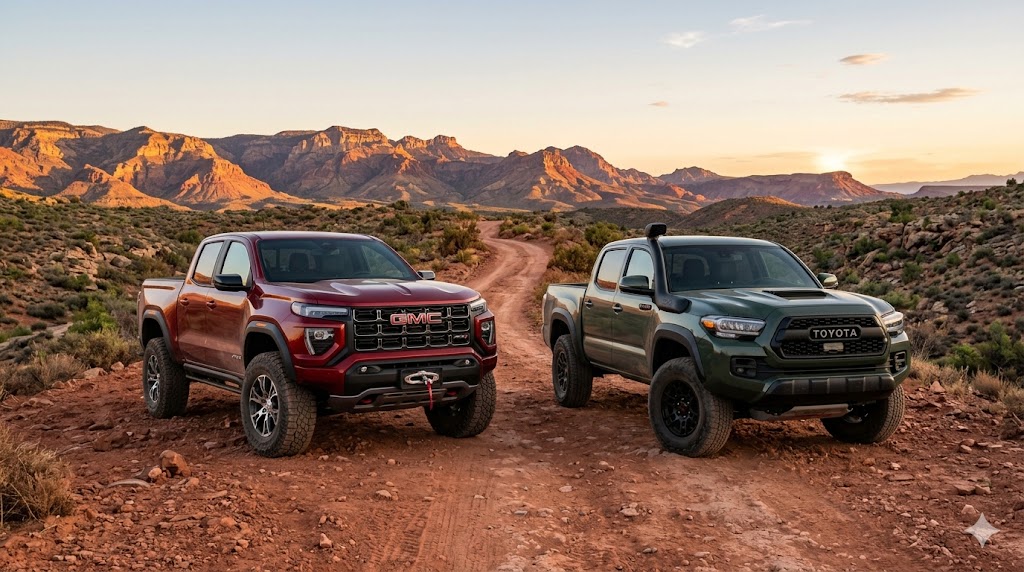
Where the Ranger still trails the class leaders is material quality on mid-range and lower trims. Panel gaps are fine and everything is assembled solidly, but the plastics used on door panels and lower dash surfaces feel like cost-engineered pieces rather than the more upscale textures you find in a well-equipped Tacoma or the interior of a loaded Colorado. It's not a dealbreaker, and higher trims dress things up with better materials and more soft-touch surfaces, but Ford clearly allocated the redesign budget toward structure, powertrain, and tech before interior trim, and you can feel that hierarchy of priorities once you're sitting still and looking around rather than driving.
Capability, Towing, and the Value Question
Payload and towing figures improved across the lineup compared to the outgoing truck, and specific configurations can be genuinely useful for trailering mid-size boats, campers, or equipment — but towing capacity swings widely based on cab configuration, bed length, drivetrain, and optional tow packages, so don't assume the number quoted in a headline applies to the truck sitting on a dealer lot. Always check the specific build's published capacity before you assume it'll handle your trailer. The same caution applies to fuel economy, which varies meaningfully between the four-cylinder and V6 configurations and should be checked against current EPA figures for the exact trim you're considering rather than assumed from general impressions.
Pricing is where some of the goodwill from the redesign gets tested. The base Ranger remains reasonably positioned against rivals, but options packages, the more powerful engine, off-road equipment, and tech bundles stack quickly, and a well-equipped Ranger — particularly anything approaching Raptor territory — can land at a price that surprises shoppers who remember what midsize trucks used to cost. This isn't unique to Ford; the whole segment has crept upward as these trucks have gained capability and tech. But it does mean the "affordable alternative to a full-size truck" pitch requires more qualification than it used to, and shoppers should build out a realistic configuration on Ford's current pricing tool before assuming they know what they'll pay.
Does It Lead the Class?
On refinement, tech, and outright capability at the top of the lineup, the current Ranger has closed the gap with — and in some respects passed — trucks that used to be uncontested class leaders. The powertrain range is more satisfying, the cabin tech is genuinely competitive with anything in the segment, and the Raptor gives Ford a halo product nothing in the class fully answers. It doesn't win on every axis: interior material quality still gives ground to the class's best, unloaded ride comfort involves real trade-offs on stiffer trims, and pricing on well-equipped examples has crept high enough that the value case needs more nuance than it used to. Call it co-leader rather than solo champion, with the tiebreaker depending on whether you prioritize outright capability and tech, in which case the Ranger has a real claim, or cabin polish and long-term reliability reputation, where some rivals still hold an edge.
Key Takeaways
- The redesigned Ranger's frame, suspension, and available V6 powertrain represent a genuine generational leap over the old truck, not a mild refresh.
- The Raptor variant gives Ford a legitimate factory performance off-road truck that reshapes perceptions of the whole lineup.
- Interior technology and layout are now competitive with the segment's best, though lower-trim material quality still trails some rivals.
- Unloaded ride quality on stiffer, off-road-oriented trims can feel firm, and well-optioned trucks climb to prices that undercut the old "affordable midsize" pitch.
- Confirm horsepower, towing, payload, and fuel economy figures against Ford's current published specs for your specific configuration before buying, since they vary significantly by trim and drivetrain.
- Buy it if you want class-competitive capability and tech in a midsize package and are willing to pay for a well-equipped build; look elsewhere if a plush unloaded ride and top-tier interior materials matter more to you than outright capability.