Park a Silverado 1500 next to an F-150 at a job site and ask the crew which truck they'd rather tow a fifth-wheel with, and you'll get a surprising number of votes for the Chevy. Then watch how few of them would actually say that in front of a camera. That gap between quiet respect and public perception is the whole story of this truck. The Silverado has spent the better part of a decade building one of the most capable and varied lineups in the full-size segment, and it still gets treated like the third option on the lot, the one you consider after you've already decided against the other two.
That's the premise worth interrogating, because the numbers and the trim sheet don't support the reputation. Chevrolet builds a Silverado for nearly every use case a truck buyer can articulate, from a stripped-down WT with vinyl floors and a bulletproof powertrain to a High Country that wants for nothing next to a luxury SUV. In between sits a diesel option, a range of gas V8s, a turbocharged four-cylinder for buyers who tow less than they think, and a max-trailering package that puts real numbers on the board rather than just a marketing claim. Few competitors spread the bet this wide, and fewer still execute it with the mechanical consistency Chevrolet has managed here.
The Capability Gap Nobody Talks About
Towing and payload are where this argument either wins or dies, so start there. Properly configured, a Silverado 1500 with the max trailering package and the right cab-and-bed combination competes at the very top of the half-ton class, and in some configurations it leads it outright. The same is true of payload figures on work-focused trims, where the combination of a stout frame, well-tuned suspension, and available heavy-duty cooling packages lets the truck carry loads that would have you double-checking an F-150's door-jamb sticker. You should always verify the exact towing and payload numbers for your specific configuration, because these figures swing dramatically with cab size, bed length, axle ratio, and options, but the pattern holds across the lineup: Chevrolet does not sandbag this truck.
The engine lineup reinforces the point. The Duramax diesel remains one of the most refined light-duty diesels on sale, delivering the kind of low-end torque and highway cruising efficiency that appeals to owners who tow often and tow heavy, and it does so with less clatter and better manners than diesel trucks offered a decade ago. The gas V8s, meanwhile, are unglamorous in the best way: proven architecture, broad power delivery, and a reputation for durability that fleet buyers and ranch owners have trusted for years. Even the turbocharged four-cylinder, which draws skepticism from buyers who instinctively want more cylinders in a truck, does real work when paired with the available hybrid-assist system, delivering a torque curve suited to daily hauling without the fuel penalty of a bigger engine. Ask current owners about long-term reliability and towing confidence before you write off any of these engines based on displacement alone.
Where the Silverado Quietly Outworks Its Rivals
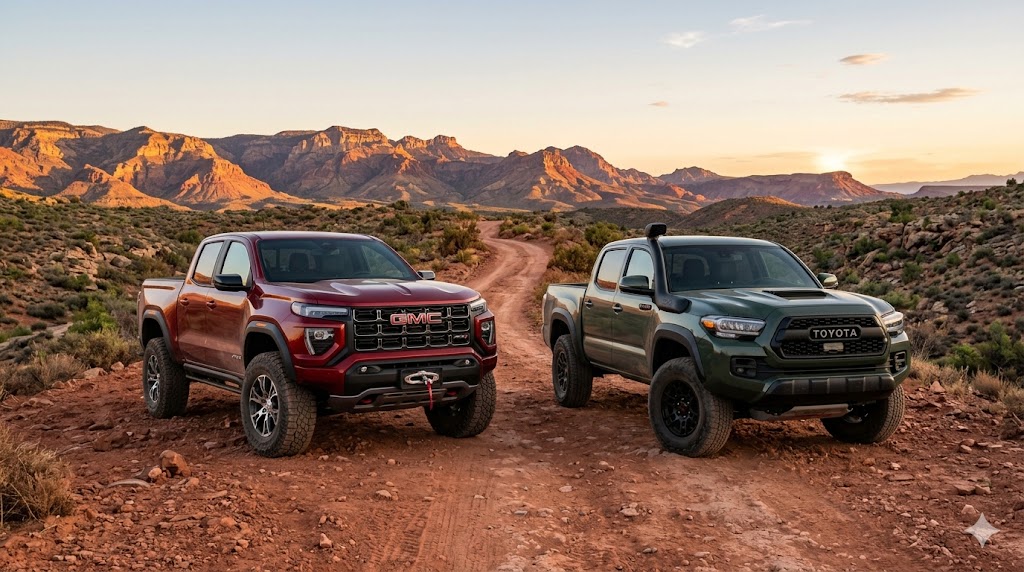
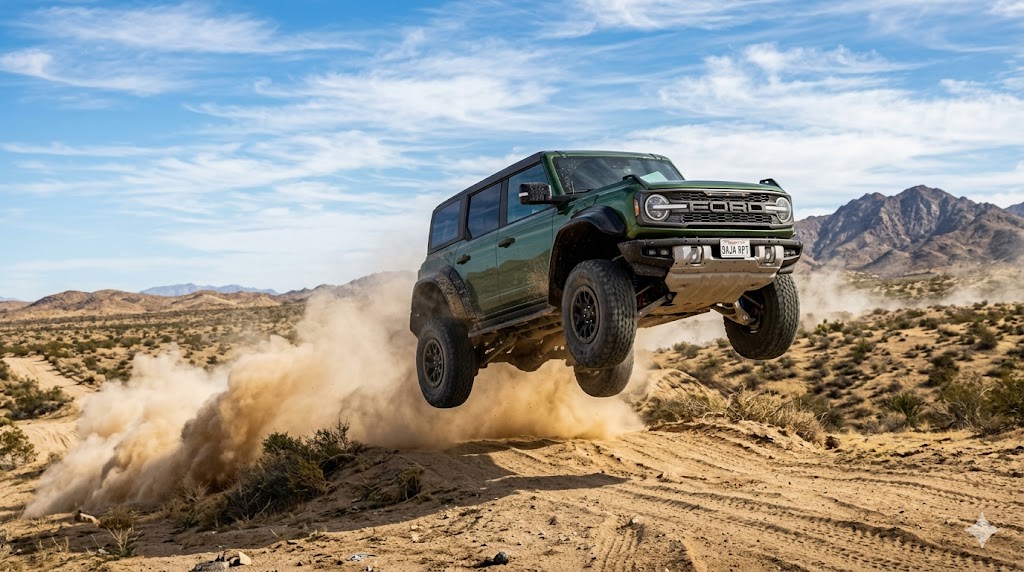
Trim breadth is the second half of the capability argument, and it's the part that rarely gets discussed alongside towing numbers. The distance between a base Work Truck and a loaded High Country or the off-road-focused Trail Boss and ZR2 variants is enormous, and Chevrolet manages that spread without making any single trim feel like an afterthought. The ZR2, in particular, deserves more attention than it gets: factory-tuned off-road suspension, real skid plates, and a chassis that can handle desert-running speeds most half-ton trucks would shudder at. It's a legitimate answer to the Raptor and TRX conversation, built on the same platform that hauls drywall during the week.
That range matters because it means the Silverado doesn't force compromises the way a narrower lineup might. A contractor can spec a bare-bones 2WD regular cab for pure utility and cost control, while a family that wants a comfortable highway hauler with real towing chops for a camper can move up to an LTZ or High Country without changing platforms or relearning the truck's driving dynamics. The chassis, cab structure, and core mechanical layout carry through the whole range, so the capability you're paying for at the bottom of the lineup is the same capability underpinning the top.
The Trade-offs Chevrolet Won't Advertise
None of this means the Silverado is beyond criticism, and pretending otherwise would undercut the argument rather than strengthen it. Step inside a Ram 1500 and then a Silverado back to back, and the interior gap is obvious. Ram's cabin, particularly in Laramie and Limited trims, uses richer materials, more thoughtful storage solutions, and a dashboard design that feels a generation ahead in places. The Silverado's interior has improved significantly over the previous generation, especially in upper trims, but there are still hard plastics in places competitors have softened, and the overall design language reads more conservative than inspired.
The infotainment system is another sore spot. Chevrolet's software has gotten better, and the large available touchscreen in higher trims looks the part, but the menu logic and occasional lag can feel a step behind the cleaner, faster systems in some rival trucks. It's not a dealbreaker, but it's the kind of daily friction that chips away at an otherwise strong ownership experience, and it's worth spending real time with the system during a test drive rather than assuming it will feel like your phone.
Then there's the perception problem, which is arguably a bigger obstacle than any spec sheet shortfall. Ford's F-Series has decades of "best-selling truck in America" marketing behind it, and Ram has successfully repositioned itself as the interior-and-ride-comfort leader. Chevrolet's marketing hasn't matched either message with the same cultural weight, and that matters more than it should in a segment where brand loyalty runs generational. Resale value calculations, dealer negotiating leverage, and even casual conversations at the coffee shop all get shaped by that perception gap, regardless of what the truck can actually do.
Ride, Refinement, and Everyday Livability
On the road, the Silverado's independent front and multi-link rear setup on most trims delivers a composed, controlled ride that handles broken pavement and highway expansion joints without unsettling the cabin. Trucks equipped with the available adaptive suspension take this further, smoothing out the ride quality noticeably compared to base setups, though that technology is reserved for higher trims and adds to the price. Steering feel is competent rather than exciting, which is exactly what most truck buyers want when they're navigating a trailer into a tight campsite spot or backing up to a loading dock.
Cabin noise is well controlled at highway speeds, particularly in crew cab configurations, and the diesel's improved sound insulation makes it a genuinely pleasant long-distance companion. Where the truck loses ground slightly is in low-speed refinement on base suspension setups, where you'll feel more of the frame's rigidity translated into the cabin over sharp bumps than you would in a Ram riding on its available air suspension.
Who Should Actually Buy This Truck
The Silverado makes the most sense for buyers who prioritize substance over showroom polish: contractors who need a specific configuration that isn't offered elsewhere, tow-heavy owners who want Duramax reliability, and off-road buyers who want ZR2 capability without stepping up to a more expensive extreme performance truck. It makes less sense for buyers who cross-shop primarily on interior ambiance and infotainment slickness, where Ram currently holds an edge that's hard to argue away. Check current published pricing, incentives, and trim-specific specs before you buy, since configurations and figures change through the model year, but don't let brand perception alone talk you out of a test drive.
Key Takeaways
- The 2025 Silverado 1500's engine lineup and trim breadth, from Work Truck to ZR2 to High Country, rival or exceed what Ford and Ram offer in comparable configurations.
- Properly configured Silverados post genuinely competitive towing and payload numbers, though you should confirm exact figures for your specific build before assuming class-leading status.
- The Duramax diesel remains a standout for tow-heavy owners, while the turbocharged four-cylinder with hybrid assist is more capable than its cylinder count suggests.
- Interior materials and infotainment logic still trail Ram's best efforts, and that gap is real, not just brand bias.
- Public perception hasn't caught up to the truck's actual capability, which creates a real opportunity for buyers willing to look past marketing noise.
- Bottom line: buyers who prioritize configuration flexibility, towing capability, and mechanical reliability should cross-shop the Silverado seriously; buyers chasing the poshest cabin experience should look elsewhere first.