Ask a dozen muscle car enthusiasts to name the single car that best represents the genre's peak, and the 1970 Chevelle SS 454 will come up more often than any other answer. Not the Hemi 'Cuda, not the Boss 429, not the Trans Am—the Chevelle. That's a remarkable outcome for a mid-size Chevrolet sedan-turned-performance-icon, and it's worth understanding exactly why this specific car, in this specific year, became the reference point against which everything else in the muscle car world still gets measured.
The 1970 model year wasn't an accident of timing. It landed at the exact moment when GM lifted its long-standing internal displacement restrictions on mid-size cars, freeing Chevrolet to drop its largest big block into the Chevelle for the first time. Every earlier Chevelle SS had been performing with one hand tied behind its back relative to what the platform could actually handle. When that restriction disappeared, Chevrolet didn't hold back, and the result was a Chevelle that finally matched its aggressive styling with a genuinely serious engine option to match.
The Perfect Convergence of Styling, Timing, and Engineering
What makes the 1970 Chevelle SS 454 the standard-bearer isn't just that it got a big engine—plenty of cars did that. It's that the timing coincided with the Chevelle's best-looking model year, a body style that most enthusiasts still consider the high point of the second-generation Chevelle's design language. The proportions, the front fascia, the SS-specific styling cues all came together in a package that looked as serious as it drove, and that visual authority has aged remarkably well compared to some of its contemporaries that now read as more clearly of their era.
That convergence of great timing and great design is genuinely rare in automotive history. Plenty of cars get a styling refresh the same year their performance takes a step backward, or gain a hot new engine option in a year when the body style is already looking dated. The 1970 Chevelle managed to hit its styling peak and its performance peak simultaneously, and that alignment is a huge part of why this specific model year, rather than the 1969 or 1971 Chevelle, gets singled out as the definitive version.
The SS 454 designation itself carried real weight in the muscle car marketplace of the era. Chevrolet offered the 454 in different states of tune, giving buyers a choice between a more street-friendly configuration and a more aggressive, performance-oriented version, which meant the SS 454 badge covered a genuine range of intent rather than a single fixed specification. That flexibility let Chevrolet compete across a wider swath of the performance market with one core platform, undercutting rivals that offered a narrower range of engine choices in their flagship muscle models.
Why It Set the Standard Rather Than Just Joining the Field
The muscle car era wasn't short on serious contenders, so the Chevelle's claim to standard-bearer status needs more explaining than simply "big engine, good looks." Part of the answer is the Chevelle's balance as a complete package. Unlike some rivals that leaned almost entirely on straight-line performance at the expense of everyday usability, the Chevelle retained genuine practicality—a real back seat, a trunk that could actually hold luggage, and a ride quality that didn't punish owners on a daily commute. That combination of muscle car theater and mid-size sedan usability broadened the Chevelle's appeal well beyond dedicated performance buyers.
The other part of the answer is cultural momentum that built over decades rather than fading the way some rivals' reputations did. As the muscle car era wound down through the 1970s under the pressure of insurance costs and emissions regulations, the 1970 Chevelle SS 454 became a kind of high-water mark frozen in time—the last truly unrestrained expression of GM mid-size muscle before the entire category began retreating. That "last of its kind before everything changed" narrative gave the car a mythology that has only grown as fewer well-preserved, numbers-matching examples remain on the road.
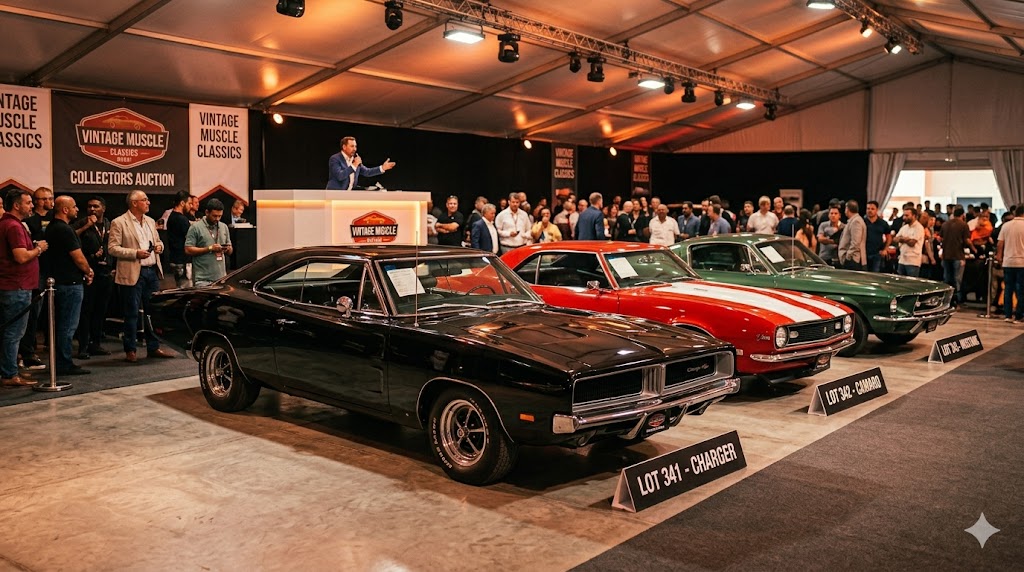
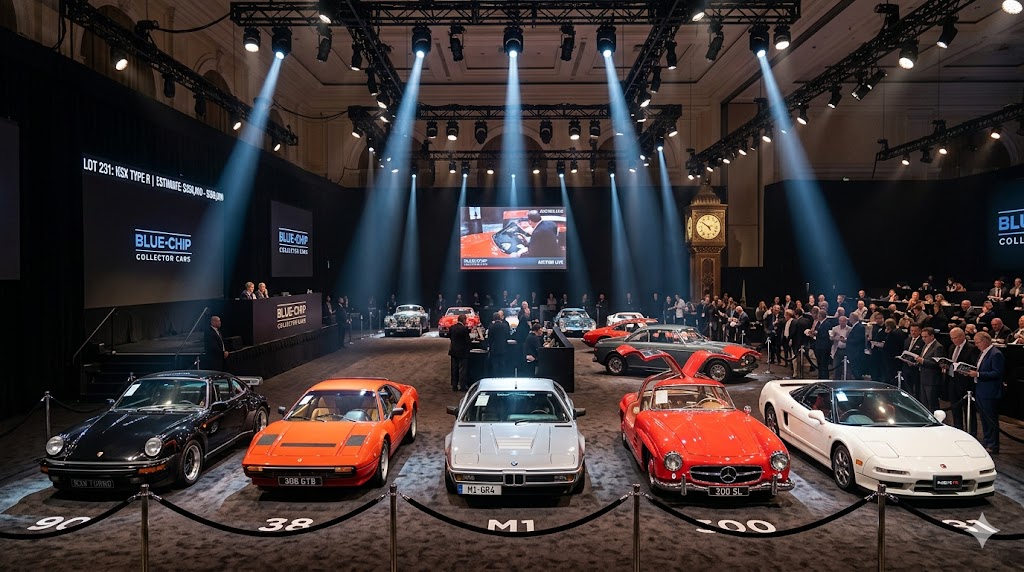
Collector market behavior reflects all of this. The 1970 Chevelle SS 454, particularly in verified original configuration, consistently draws strong interest and pricing at auction relative to other Chevelle model years and many competing muscle cars from the same era. That market performance isn't just nostalgia at work—it reflects genuine scarcity of well-documented original cars combined with sustained demand from collectors who specifically want this model year rather than a "close enough" alternative from an adjacent year.
The Trade-Offs Nobody Should Ignore
None of this means the Chevelle SS 454 is without real compromises, and pretending otherwise does a disservice to anyone actually considering ownership. The big block engine option brings the same nose-heavy handling characteristics that affect every large-displacement muscle car of this era—quick in a straight line, less eager to change direction, and demanding of a driver who respects what a few thousand pounds of forward momentum requires in terms of stopping distance. Braking technology of the period, even when upgraded, doesn't match modern expectations, and buyers should factor that into how they actually plan to drive the car rather than just how they plan to display it.
The collector market reality also cuts against casual buyers. Because the 1970 SS 454 commands such strong and consistent demand, it has attracted a meaningful population of clones, re-creations, and cars with replaced or modified drivetrains being represented as more original than they are. Verifying an authentic, numbers-matching example requires real diligence—checking casting numbers, trim tags, and documentation trails rather than taking a seller's word for it. That verification burden, combined with genuinely high asking prices for confirmed original cars, means this isn't an impulse purchase for most buyers, and budget-conscious enthusiasts often find better value in slightly less mythologized model years or engine combinations.
Ownership costs also deserve honest treatment. Insurance, parts availability for big block-specific components, and the general expense of maintaining a highly sought-after collector car all run higher than they would for a more modest Chevelle configuration. Buyers should treat any specific pricing, production numbers, or performance figures they encounter with real skepticism unless sourced from verified marque registries or documented factory records, since exaggerated claims are common in a market this active.
The Legacy That Keeps the Standard in Place
What ultimately cements the 1970 Chevelle SS 454's position isn't any single attribute but the way all of its strengths reinforce each other. The styling makes people want to look at it. The big block delivers the visceral performance that muscle car culture is built around. The mid-size practicality means it was never purely a specialist's car. And the timing—arriving right as GM's restrictions lifted and right before the broader muscle car era began its decline—gives it a historical significance that goes beyond specifications on a sheet of paper. Other cars from this era can claim one or two of those attributes convincingly. Few can claim all of them at once, which is exactly why the 1970 Chevelle SS 454 keeps getting cited as the standard rather than just another strong contender in a crowded field.
Key Takeaways
- The 1970 model year uniquely combined the Chevelle's best styling generation with the first year GM allowed its largest big block into the platform.
- The SS 454 offered multiple states of tune, giving it broader market appeal than more narrowly focused rivals.
- Its status as one of the last unrestrained expressions of GM muscle before industry-wide decline gives it outsized historical significance.
- The car balances genuine muscle car performance with real mid-size practicality, unlike more single-minded competitors.
- Strong collector demand has led to a meaningful clone and re-creation market, making authentication essential before purchase.
- Bottom line: the 1970 Chevelle SS 454 earns its "standard" reputation through a rare alignment of styling, timing, and balance, but buyers must verify authenticity carefully given the premium these cars command.