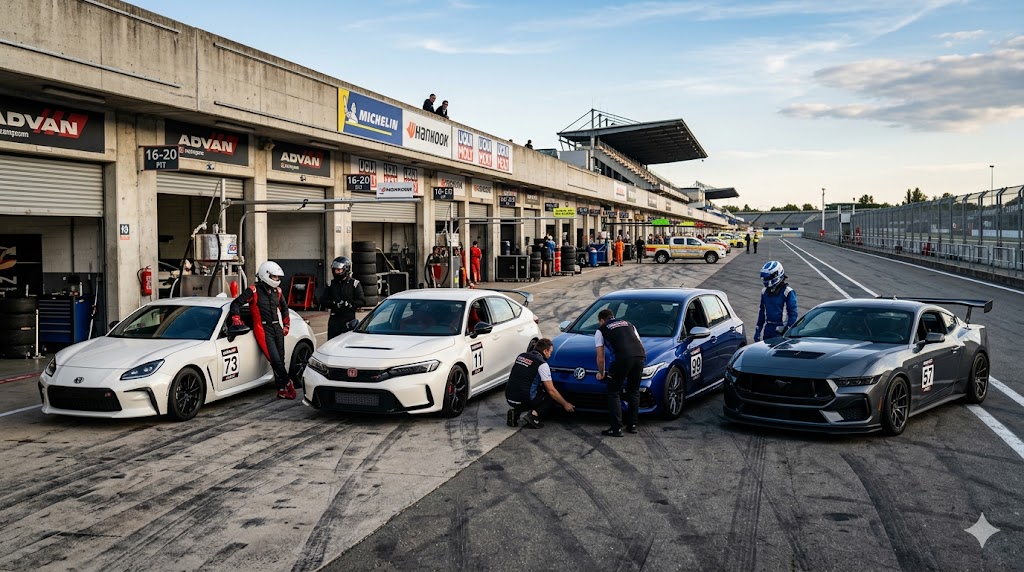
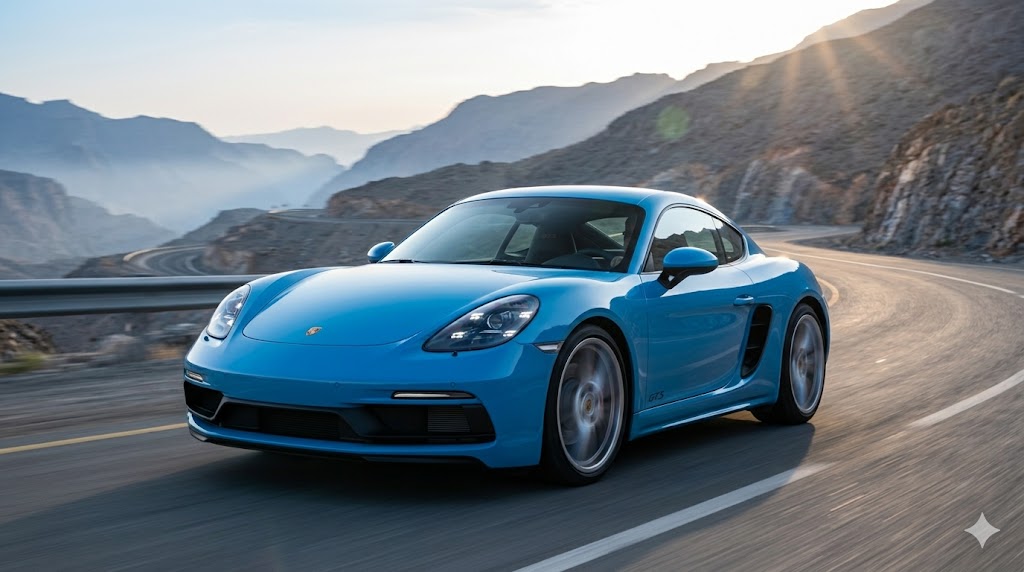
Formula racing gets the glamour, but touring car racing has arguably had a more direct influence on the vehicles most people actually drive. That's because touring car series are built around a premise ordinary buyers can relate to immediately: recognizable, production-based sedans and hatchbacks, wheel to wheel, refined through genuine competition rather than purpose-built prototypes with no road-going equivalent. That closeness between the race car and the car in your driveway is exactly why touring car racing's engineering lessons filter down to production vehicles more directly than almost any other racing discipline.
Why Touring Cars Stay Close to Their Road-Going Roots
Most touring car championships require competing vehicles to be based on genuine production models, with regulations governing how much manufacturers can modify the underlying chassis, aerodynamics, and drivetrain. This regulatory closeness is deliberate, designed to keep the racing relevant to what manufacturers actually sell and to give spectators a direct connection between the cars battling on track and the cars available at a dealership. Because of that constraint, touring car engineering problems and solutions tend to map onto real production-car challenges far more directly than, say, solutions developed for an open-wheel prototype with no direct road-car counterpart.
This proximity means that when a manufacturer's touring car program solves a problem, whether that's front-wheel-drive traction under hard acceleration, chassis torsional stiffness, or aerodynamic balance on a car never designed with racing in mind, the lessons learned frequently have a clearer, faster path back to production engineering than lessons learned in more exotic racing categories.
Chassis Rigidity and Handling Lessons
One of the most consistent contributions touring car racing has made to road cars involves chassis stiffness and body rigidity. Racing a production-based sedan hard, at sustained high cornering loads for extended periods, exposes weaknesses in chassis design that normal road use might never reveal. Manufacturers with active touring car programs have historically used those findings to inform structural reinforcements, subframe designs, and suspension mounting points in their production models, particularly in performance-oriented trim levels that share more engineering DNA with the touring car program than base models do.
This is part of why manufacturers with a strong touring car heritage often market their sportier road-going trims with explicit references to that racing program, not merely as a branding exercise but because genuine structural and suspension lessons frequently do flow from the racing side to the road-car side, particularly for halo performance variants developed alongside or shortly after a manufacturer's touring car efforts.
Aerodynamics for Cars That Were Never Meant to Need Them
Touring car aerodynamics present a unique engineering challenge because the base shape of a sedan or hatchback wasn't designed with racing-level downforce or airflow management in mind, unlike a purpose-built prototype. Touring car teams and manufacturer motorsport divisions have to find aerodynamic solutions within the constraints of a shape that's fundamentally a road car, which produces a different kind of creativity than aerodynamics work done on cars with no such constraints. Wing designs, front splitter treatments, and underbody airflow management developed for touring car competition have influenced how manufacturers approach aerodynamic addenda on performance road car trims, especially as buyers have grown more sophisticated about wanting aerodynamic changes that serve a genuine function rather than pure styling.
This influence shows up most visibly on performance-oriented trims of otherwise ordinary sedans and hatchbacks, where manufacturers have increasingly designed front splitters, rear spoilers, and diffuser elements that trace conceptual lineage to solutions worked out on the touring car grid, adapted for road-legal use and everyday durability requirements that a race car doesn't need to satisfy.
Differential and Traction Technology
Touring car racing has been a particularly rich testing ground for differential technology because front-wheel-drive and all-wheel-drive touring cars face genuine traction challenges under hard acceleration out of corners, a problem shared directly with road cars in the same drivetrain configurations. Limited-slip differential designs, torque-vectoring systems, and traction control calibration strategies refined through touring car competition have found their way into road-going performance variants, particularly in hot hatch and sport sedan segments where manufacturers compete in both touring car racing and the road-car marketplace simultaneously.
This is a case where the racing problem and the road-car problem are close enough to identical that engineering solutions transfer with relatively little translation required, unlike, for example, aerodynamic solutions from open-wheel racing that often have limited direct application to road cars due to completely different speed ranges, ride heights, and regulatory environments.
The Marketing Layer Versus the Engineering Reality
It's worth being clear-eyed about the fact that not every touring car connection advertised in road-car marketing reflects genuine engineering transfer. Manufacturers understand that touring car racing has strong brand appeal, particularly among buyers who followed a specific championship or driver, and some "race-inspired" road-car features are aesthetic choices that reference touring car imagery without any corresponding engineering lineage. Distinguishing genuine transfer from marketing framing requires looking at specifics: did a performance trim's suspension geometry, differential hardware, or structural reinforcement actually originate from or run parallel to touring car development, or does the connection begin and end with a decal package and a spec sheet mention.
The manufacturers with the most credible touring car-to-road-car connections tend to be the ones who maintain long-running, well-documented racing programs where the same engineering teams or closely coordinated departments work on both sides, creating a natural, ongoing channel for lessons to move from track to street. Shorter or less consistent racing involvement tends to produce a thinner, more marketing-driven connection between the racing program and any given road car's actual engineering.
What This Means as a Buyer
If a manufacturer's marketing leans on touring car heritage to sell you a performance trim, it's reasonable to ask what specifically transferred from the racing program rather than accepting the connection at face value. Genuine touring car influence tends to show up in the unglamorous parts of a car's engineering, differential behavior, chassis stiffness, and how the suspension responds under sustained hard cornering, rather than purely in exterior styling. Understanding that distinction helps you evaluate whether a "race-bred" road car earned that description through real engineering transfer or through effective marketing borrowing the imagery of a sport with genuine, if often invisible, influence on the cars people drive every day.
Key Takeaways
- Touring car racing's close regulatory link to production vehicles means engineering lessons transfer to road cars more directly than in most other racing disciplines.
- Chassis stiffness and suspension mounting lessons learned under racing loads frequently inform structural reinforcements in performance road-car trims.
- Aerodynamic solutions developed within touring cars' road-car-based constraints have shaped functional splitter, spoiler, and diffuser designs on production performance models.
- Differential and traction technology transfer especially directly, since touring cars and road cars share the same fundamental drivetrain traction challenges.
- Not every advertised touring car connection reflects genuine engineering transfer, so buyers should look for specific mechanical evidence rather than assuming marketing claims are accurate.